
Saturday, October 24, 2026



News and Views from the Global South
Food Security and Nutrition
How an African Bioeconomy Can Strengthen Agrifood Systems in the Context of a Changing Climate
From increased pests and diseases to lower crop yields and extreme weather events, the adverse impacts of climate change on agriculture in Africa cannot be overstated.
FAO Renews Its Commitment to Right to Food Guidelines
The Food and Agriculture Organization (FAO) launched its newest report on the Right to Food Guidelines on December 10, which focuses on that focused on the urgency of food security as well as the measures that will be taken by the organization to eradicate hunger and malnutrition in the coming decade.
In Zimbabwe, Women Are Leading the Battle Against Climate Change
When Susan Chinyengetere started to focus on farming in her home village in south-eastern Zimbabwe, she wondered if she could earn a living and raise her children. With climate catastrophes ravaging the country, her hesitation on rain-fed agriculture worsened. But two years later, the 32-year-old mother of two from Mafaure village in Masvingo, about 295 km from the capital Harare, is now a champion in farming.
New Approaches Urgently Needed to Tackle Resurgent Social Crises
Despite uneven economic recovery since the pandemic, poverty, inequality, and food insecurity continue to worsen, including in the Asia-Pacific region, which used to fare better than the rest of the Global South.
CGIAR Developing Farmers’ Resilience in the Face of Climate Shocks
As COP29 negotiations continue in Baku, agricultural leaders are pitching the need for climate-resilient and data-driven solutions to support marginalized farmers and low-income communities.
Building Resilience: Spotlight on Poorest, Rural Communities Amid COP29 Competing Priorities
Life in remote, marginal areas, drylands and deserts is increasingly becoming difficult because rural people are in the crosshairs of an unprecedented climate onslaught. A substantial number of lives and livelihoods are on the line, as nearly half of the world's population, 3.3 billion, lives in rural areas and 90 percent of them are in developing countries.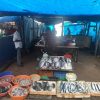
Voices from the Margins: Small-Scale Fishers Demand Rights, Recognition at COP16
Small-scale fishers play a fundamental role in feeding people—they use sustainable methods of catching and processing fish products and are a significant force in the employment and livelihoods of millions of people internationally—yet, until now, they have been excluded from climate and biodiversity conferences.
Diverse Diets Are Essential for Nourishing a Healthy Planet as Well as Healthy People
It’s often said that we are what we eat. However, our diets are also a reflection on the health of our food systems, the environment and agricultural biodiversity.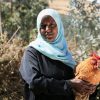
Chickens as Well as Cheetahs: Biodiversity Conservation Must Also Include Livestock
As the UN’s COP16 biodiversity conference continues, the temptation is to focus on the wild flora and fauna under threat. But there is another, less obvious yet just as critical biodiversity crisis unfolding around the world that also deserves attention.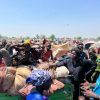
Sudanese Civil War Exacerbates Economies in Neighbouring Countries
Critical levels of nationwide hunger in Sudan has only increased to critical levels since the start of the Sudanese civil war in April 2023. Escalated hostilities between the Sudanese Armed Forces (SAF) and the Rapid Support Forces (RSF) have led to limited mobility and repeated blockages of humanitarian aid. This, coupled with the volatile floods and droughts, have decimated crop fields which has only exacerbated famine levels greatly. All of these factors have left nearly 25 million people in Sudan in need of humanitarian assistance in 2024.
By Choosing What We Eat, We Choose the World We Want To Live In
“How we prepare and eat food should not be at the expense of our biodiversity,” says 3-Michelin-starred chef Mauro Colagreco, who is on a mission to change our relationship with food and what we choose to eat. Colagreco, the owner of Mirazur, an award-winning restaurant in Menton, France, is a tribute to gastronomy. Among other world rankings, Mirazur's fine food and service have earned it first place in the World's 50 Best Restaurants. In the 2020 edition of the "100 Chefs" world ranking, Colagreco's peers named him the Best Chef in the World and Chef of the Year in 2019.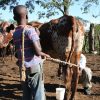
Capacity Building Is Key to Africa’s Digital Sequencing Success Story
Christian Tiambo has always wished to uplift local farmers’ communities through cutting-edge science. As climate change wreaked havoc on local agriculture, Tiambo, a livestock scientist at the Centre for Tropical Livestock Genetics and Health (CTLGH) and at the International Livestock Research Institute (ILRI), focused on conserving and developing livestock that could withstand environmental stress.
The Future of Food Security Lies Beyond COP29’s Negotiation Tables
Climate change has thrown our food systems into chaos. Extreme weather events and dramatic climate variations are hammering food production and supply chains across the world. As global leaders gear up for COP29, there’s plenty of buzz about climate action. But can we really expect these slow-moving, bureaucratic negotiations to deliver tangible and swift results to decarbonize and insulate our agri-food systems? Most likely not. But do not despair. While the COP29 talks unfold, crucial climate solutions for transforming food systems are already taking root on the ground.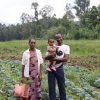
Sustainable Food Production is Imperative for a Healthy Planet
Food waste has been a pressing concern for environmentalists and humanitarians for decades. The Food and Agriculture Organization (FAO) estimates that approximately one third of all global food products end up in landfills, equating to roughly 1.3 billion metric tons. Conversely, according to the Asia-Pacific Economic Cooperation (APEC), about 3 billion people lack access to nutritious or sufficient amounts of food that will sustain a healthy diet. Additionally, food waste has been a leading factor in environmental degradation since the start of the industrial revolution, with food in landfills releasing millions of metric tons of carbon emissions into the atmosphere yearly.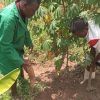
Kenya’s Mung Bean Legislation Debate Underscores Farmers’ Vulnerability
Kenyan farmers have faced a turbulent year, caught between legislative changes and a devastating scandal. While the country's Mung Bean Bill, aiming to regulate the lucrative mung bean industry, has moved to mediation, farmers are battling the fallout from the widespread distribution of counterfeit fertilizers that have jeopardized their crop yields and livelihoods.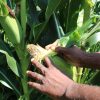
World Told Act Now or Face 136 Years of Hunger, Report Warns
High levels of hunger will continue for another 136 years in many developing countries, according to a new report assessing global hunger.
Climate Justice Needs Recognition of Common, but Differentiated Responsibilities
Climate justice recognizes differential impacts of climate crisis between rich and poor, women and men, and older and younger generations. The UN Secretary-General António Guterres emphasized, “as is always the case, the poor and vulnerable are the first to suffer and the worst hit.” However, all people should have the agency to live life with dignity. Thus, climate justice looks at the climate crisis through a human rights lens.
Agroecology: The Game-Changing Solution to Global Food, Climate and Conflict Crises
Edward Mukiibi, President of Slow Food, champions agroecology as a transformative answer to the world's most pressing crises: food insecurity, climate change, and violent conflicts. In a world where these challenges intersect, Mukiibi called for an urgent rethink of our approach to food systems.
Why Africa Should Embrace Territorial Markets to Withstand Climate Shocks and Crises
African policymakers, local leaders and the private sector have been asked to create an enabling environment that will help African traders and farmer folks build reliable systems for food security and resilience through territorial markets. During a week-long 2024 Africa Agroecological Entrepreneurship and Seed Festival in Harare, Zimbabwe, experts observed that persistent crises have shown the importance of resilient close-to-home ‘territorial’ markets that feed billions of people every day—from public markets and street vendors to cooperatives, from urban agriculture to online direct sales, and from food hubs to community kitchens.
Rejuvenating Tradition To Help Save Ancient Engineering Marvel—Dhamapur Lake
Dhamapur is a small village in Malvan taluka of west Sindhudurg district, housing the famous Dhamapur Lake. The Vijayanagar kings constructed an earthfill dam in 1530 A.D., creating a man-made lake surrounded by hills on three sides. Canals connect it to the Karli river, irrigating lush paddies and farms that grow the red Sorti and Walay rice varieties typical to the region.
Severe Floods in Nigeria Magnify The Dire Humanitarian Crisis
On Monday, the Alau dam in Maiduguri, Borno State, collapsed, causing flash floods to ravage neighbouring regions in Nigeria. This comes after weeks of torrential rain, which caused severe structural damage to the dam. The floods have changed the lives of thousands and caused high levels of damage to infrastructures. The impacts of the recent floods compound with Nigeria’s pre-existing humanitarian crisis, which includes armed conflict, widespread malnutrition, and a failing economy.« Previous Page — Next Page »





More than 820 million people in the world are still hungry today, underscoring the immense challenge of achieving the Zero Hunger target by 2030. Hunger is rising in almost all subregions of Africa and, to a lesser extent, in Latin America and Western Asia. There is great progress seen in Southern Asia in the last five years, but the prevalence of undernourishment in this subregion is still the highest in Asia. A disturbing fact is that about 2 billion people in the world experience moderate or severe food insecurity. The lack of regular access to nutritious and sufficient food that these people experience puts them at greater risk of malnutrition and poor health. Although primarily concentrated in low- and middle-income countries, moderate or severe food insecurity also affects 8 percent of the population in Northern America and Europe.
In every continent, the prevalence rate is slightly higher among women than men.
With regard to nutrition indicators, if current trends continue, the 2030 SDG Target to halve the number of stunted children will not be met nor the 2025 World Health Assembly target to reduce the prevalence of low birthweight by 30 percent. The trends of overweight and obesity are additional reason for concern, as they continue to rise in all regions, particularly among school-age children and adults. The most recent data show that obesity is contributing to 4 million deaths globally and is increasing the risk of morbidity for people in all age groups.
The State of Food Security and Nutrition in the World, a joint report by the United Nations agencies, FAO, IFAD, WFP, UNICEF and WHO reaffirms their commitment to working together to overcome emerging challenges and free the world from hunger, food insecurity and malnutrition. The report shows that the global level of the prevalence of undernourishment has stabilised; however, the absolute number of undernourished people continues to increase, albeit slowly.


The Week with IPS

Tracking global progress towards a sustainable world
