Languages
Sunday, October 4, 2026



News and Views from the Global South

Ecobreves – BRAZIL: Bees as Indicators of Air Quality
A research study by the School of Higher Agricultural Studies at the University of São Paulo found that bees can act as bioindicators of air pollution and air quality.Ecobreves – ARGENTINA: Latin American Forum to Prepare for Rio+20
The city of Rosario in the eastern Argentine province of Santa Fe will host the Latin American Forum on Sustainable Development: Rosario, Towards Rio+20, which will bring together representatives of governments, international agencies and civil society organizations.Ecobreves – HONDURAS: Fires Destroy 5,000 Hectares of Forest
In the last two months, 5,000 hectares of forest have been destroyed by fire in Honduras, particularly in the jungle region of La Mosquitia, on the Atlantic coast.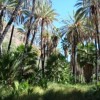
Mexican Oases in Urgent Need of Protection
Mexico’s oases encompass significant environmental, cultural, social and economic wealth that must be properly assessed and preserved, warn experts.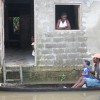
Extreme Weather is the New Normal
Extreme weather is fast becoming the new normal. Canada and much of the United States experienced summer temperatures during winter this year, confirming the findings of a new report on extreme weather.Ecobreves – VENEZUELA: Oil Spill Halts Fishing in Lake Maracaibo
Hundreds of fishermen in southern Lake Maracaibo, in western Venezuela, stopped casting their nets in the last week of March after observing massive numbers of dead fish and crabs along the lakeshore as a result of an oil spill in one of the lake’s tributaries, the Catatumbo River.Ecobreves – HONDURAS: Destruction of Coral Reefs Denounced
The construction of docks for cruise ships off the Caribbean coast of Honduras poses a serious threat to coral reefs, warn environmentalists.Ecobreves – BRAZIL: Solar-Powered Lamp Post Designed
A post that uses the sun’s rays to light LED lamps has been developed by a design student at the Federal University of Pernambuco, in northern Brazil.
More Ecology, Less Economy for Rio+20
Hundreds of non-governmental organisations and social movements from around the world hope to counter the failure of the United Nations Conference on Sustainable Development (Rio+20), which they consider inevitable, with the success of the alternative People’s Summit.Ecobreves – HONDURAS: Promoting the Use of Biogas
The government of Honduras is studying ways to promote the generation of biogas from organic waste, to reduce the country’s dependence on imported oil.Ecobreves – BRAZIL: Raw Materials from the Northeast for Smart Packaging
The Brazilian Agricultural Research Corporation (EMBRAPA) has opened a laboratory in the northeast Brazilian city of Fortaleza for the development of biodegradable and edible packaging.
More Ecology, Less Economy for Rio+20
Indigenous people’s rights and gender equity should be addressed in discussions around sustainable development at Rio+20, say activists.Ecobreves – MEXICO: NGOs Denounce Delay in Clean Fuel Production
Environmental organizations have denounced that the Mexican government intends to postpone the production of ultra-low-sulfur diesel until 2015.
Grenada Under Climate Stress
Fishing, agriculture and tourism are feeling the pains of climate change in Grenada, a small island state in the southeastern Caribbean.
More Transparent Forest Governance in Peruvian Amazon
In Peru, where over half of the national territory is covered by forests and the logging industry is marred by corruption, transparency and good forest management are closely linked.Energy: Chilean Community Wins First Round Against Brazilian Billionaire
Plans to build a massive thermoelectric power plant complex near an area of rich marine biodiversity has sparked fierce opposition from the small northern Chilean farming town of Totoral, which has now scored its first victory in court.Ecobreves – CUBA: Crocodile to be “Repatriated” During Pope’s Visit
A young Cuban crocodile (Crocodylus rhombifer), a highly endangered species found only in a very limited area of Cuba, will be returned to its country of origin from Rome in late March, coinciding with the visit by Pope Benedict XVI.Ecobreves – HONDURAS: School Kids Learn How to React to Floods and Landslides
More than 600 students from two schools located in areas at high risk for flooding and landslides in the Honduran capital are receiving training on what to do when these disasters occur.Ecobreves – VENEZUELA: University Team Designing Used Battery Treatment Plant
A team of scientists at Simón Bolívar University in Venezuela is designing a plant for the processing of used household batteries, in order to prevent their incorrect disposal and to extract the toxic materials they contain in the form of reusable chemical compounds.Ecobreves – BRAZIL: University of São Paulo Creates Climate Study Center
The University of São Paulo has created the Interdisciplinary Climate Investigation Center (INCLINE) to integrate all of university’s studies in this field.
Argentina Responds to Climate Challenge with Transgenic Seeds
Researchers in Argentina have isolated a sunflower gene and implanted it into corn, wheat and soybean seeds to make them more resistant to drought and soil salinity, problems increasingly faced by this South American agricultural powerhouse as a result of global warming.« Previous Page — Next Page »


Tierramérica is the main communications platform on sustainable development and the environment in Latin America and the Caribbean. It is produced by IPS Noticias, the agency’s Spanish-language service, which created it jointly with the United Nations Development Programme (UNDP) and the United Nations Environment Programme (UNEP), with later support from the World Bank. The weekly editions of Tierramérica are published in Spanish, Portuguese and English and are picked up and printed by dozens of media outlets in the region. Follow us on Facebook and Twitter.

From the Frontline of Environment
Supported by

Tierramérica en Español

Terramérica em Portuguese

