Languages
Wednesday, November 18, 2026



News and Views from the Global South
Africa

OPINION: Bringing More International Pressure to Bear on Wildlife Crime
A surge in wildlife crime is fuelling criminal syndicates, perpetuating terrorism, and resulting in the loss of major revenues from tourism and industries dependent on iconic species while also endangering the livelihoods of the rural poor. But this surge in wildlife crime is not only threatening iconic species, which include elephants, rhinos and tigers, but also lesser-known animals that are also on the brink of extinction.
The Young, Female Face of HIV in East and Southern Africa
Experts are raising alarm that years of HIV interventions throughout Africa have failed to stop infection among young women 15 to 24 years old.
Hopes of Controlling Sierra Leone’s Ebola Outbreak Remain Grim
The fight against the deadly Ebola epidemic ravaging West Africa seems to be hanging in the balance as Sierra Leone’s Minister of Health and Sanitation Dr Abubakar Fofana told IPS that the government is overwhelmed by the outbreak.UNIDO Forum Expresses Cautious Optimism on Ethiopia’s Economic Strides
With annual economic growth rates of over 10 percent and attractive investment conditions due to low infrastructural and labour costs, Ethiopia is eagerly trying to rise from the status of low-income to middle-income country in the next 10 years.
Middle-Income Kenya Still in Need of Aid
Coffee farmer Gabriel Kimwaki from Nyeri County, in central Kenya, is considering “giving up farming altogether”.
Uganda Still Grapples with Inadequate Funds to Tackle Climate Change
Until last month, Allen Nambozo's only source of income was the cabbages, carrots and bananas she grew along the slopes of Uganda’s Mount Elgon in the eastern district of Bulambuli.
Climate Smart Agriculture Could Ease Malawi’s Food Insecurity
 Climate smart agriculture practiced by some farmers in Malawi has improved harvests. However, the organizations supporting the practice among smallholder farmers who have witnessed reduced harvests due to climate change are not working together, and there is no uniform policy. This has compromised what could otherwise improve food security. Pilirani Tambala reports from Lilongwe.

Mozambique Tackles its Twin Burden of Cervical Cancer and HIV
The woman on bed 27 in Maputo Central Hospital’s oncology ward has no idea how lucky she is. In January, when abdominal pains racked her, a pharmacist suggested pain killers. For months, “the pain would go and return,” she told IPS.
Fighting the “Neighbour’s Disease” in Mozambique
 Mozambique is reeling under the twin burden of HIV and cervical cancer. Eleven women die of cervical cancer every day, or 4,000 a year. Yet this cancer is preventable and treatable, if caught early.

Fossil Fuels Won’t Benefit Africa in Absence of Sound Environmental Policies
Recent discoveries of sizeable natural gas reserves and barrels of oil in a number of African countries — including Uganda, Tanzania and Kenya — have economists hopeful that the continent can boost and diversify its largely agriculture-based economy.
OPINION: Keeping All Girls in School is One Way to Curb Child Marriage in Tanzania
“You cannot continue with your education. You have to get married because this man has already paid dowry for you,” Matilda H’s father told her. Matilda, from Tanzania, was 14 and had just passed her primary school exams and had been admitted to secondary school. She pleaded with her father to allow her to continue her education, but he refused.
OPINION: Ebola, Human Rights and Poverty – Making the Links
The catastrophic Ebola crisis unfolding in West Africa offers many lessons, not least for global anti-poverty efforts. These will culminate in a set of targets, to be agreed by the United Nations in 2015, known as the Sustainable Development Goals (SDGs).
Zimbabwe’s Rich Fuel Inequality Through Illicit Financial Flows
Zimbabwe has lost 12 billion dollars in illicit financial flows over the last three decades and experts say this illegal practice is perpetuating social inequalities and poverty in this southern African nation.
OPINION: Renewable Energies – a Double-Edged Sword
The United Nations Framework Convention on Climate Change has set a target of reducing emissions of greenhouse gases such as CO2. One way countries can meet their obligations is to switch energy production from the burning of fossil fuels to “renewables”, generally understood to include wind, wave, tidal, hydro, solar and geothermal power and biomass.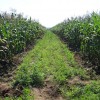
Sustaining Africa’s Development by Leveraging on Climate Change
By leveraging knowledge about climate change, through adopting improved agriculture technologies and using water and energy more effectively, Africa can accelerate its march towards sustainable development.
Despite Media, Rightwing Ebola Hype, U.S. Public Resists Total Panic
Despite media hype, missteps by federal health agencies, and apparent efforts by right-wing and some neo-conservatives to foment fear about the possible spread of the Ebola virus in the U.S., most of the public remain at least “fairly” confident in the authorities’ ability to deal with the virus.
Ebola Outbreak Threatens Food Crisis in West Africa
The widespread outbreak of Ebola in West Africa, which has resulted in over 4,500 deaths so far, is also threatening to trigger a food crisis in the three countries already plagued by poverty and hunger.
Ethiopia Moves in Right Direction with Climate Change Response But Challenges Remain
Ethiopia is widely regarded as an African success story when it comes to economic growth. According to the International Monetary Fund, the country’s economy is growing by seven percent annually. But there are concerns that climate change could jeopardise this growth.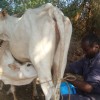
Warmer Days a Catastrophe in the Making for Kenya’s Pastoralists
Seif Hassan is a pastoralist from Garissa, Northern Kenya, some 380 kilometres outside of the capital, Nairobi. He sells his animals at the Garissa livestock market where, during a good season, pastoralists can sell up to 5,000 animals per week and “it is a cash-making business.”
Writing the Final Chapter on AIDS
Although AIDS has defied science by killing millions of people throughout Africa in the last three decades, HIV experts now believe that they have found the magic numbers to end AIDS as a public health threat in 15 years.
Pressure Building on Obama to Impose Ebola Travel Ban
President Barack Obama is under significant pressure to impose a range of restrictions on travellers coming to the United States from West African countries affected by the current Ebola outbreak.« Previous Page — Next Page » *#*

The Week with IPS

NEXT STOP - SDGs
Tracking global progress towards a sustainable world
Tracking global progress towards a sustainable world
