Languages
Friday, November 13, 2026



News and Views from the Global South
Global
What World’s Largest Climate Change Public Opinion Poll Says
Between October and December 2020, something was different for people playing popular video games like Words with Friends, Angry Birds and Subway Surfers. Instead of a traditional 30-second ad, gamers across the world were invited to participate in a climate change survey. It was an unconventional way of polling that gave University of Oxford researchers an opportunity to tap into the 2.7 billion user-strong gaming market and produce the world’s largest climate change public opinion poll.
We are Facing a Climate Emergency, Warns UN Chief
We begin this year with a heightened awareness of the importance of resilience. The COVID-19 pandemic has reminded us that we cannot afford to ignore known risks.
Implementation Research to Achieve Health Related #SDGs
The Sustainable Development Goals (SDGs) aim to ensure healthy lives and promote well-being for all ages. The main focus of the SDGs is to improve equity to meet the needs of women, children and disadvantaged populations in particular.
Global Economic Recovery Remains Precarious in post-COVID-19 Years
The United Nations has warned that the devastating socio-economic impact of the COVID-19 pandemic will be felt for years to come unless smart investments in economic, societal and climate resilience ensure a robust and sustainable recovery of the global economy.
Poor Lives Matter, but Less
Current development fads fetishize data, ostensibly for ‘evidence-based policy-making’: if not measured, it will not matter. So, forget about getting financial resources for your work, programmes and projects, no matter how beneficial, significant or desperately needed.
Closing the Gap between Developed and Developing Countries: Two Steps Forward, One Step Back
Developing countries as a group have been growing faster than developed countries for several decades. As a result the ratio between average incomes between the two sets of countries – albeit still very large - has been shrinking. This is good news. The other piece of good news is that over this period the number of people living in extreme poverty has also been dropping – from 1.9 billion in 1990 to about 650 million in recent years. China has recently declared an end to extreme poverty.
Volunteerism in the Decade of Action
After the pioneer Global Technical Meeting on Volunteerism last July, a recently-held on-line follow up helped gathering new insights from experts and practitioners from the world on how to move forward with positioning volunteering at the center of development agenda.
“Their Hope for a Brighter Future Inspires Us All”
Looking back upon 2020, we all bear the scars of a devastating year; none so much as girls and boys around the world. The COVID-19 pandemic disrupted education for over 1.6 billion children and youth globally and continues to do so. It has also deepened socio-economic inequities and heightened insecurities around the world, further impacting the lives of girls and boys everywhere. Ongoing, protracted conflicts, forced displacement and the worsening climate crisis were no less forgiving.
Protecting Mental Health of Families in a Pandemic
Dealing with COVID-19-related city lockdowns has been exceptionally stressful, particularly for those parents who have had to balance work, personal life, children and elderly, providing home schooling or facilitating virtual learning, managing infection control within the home, and more, all while being disconnected from support services.
Personal Testimonies, Pledges Mark the Start of the ‘Fair Share to End Child Labour’ Campaign
Selimatha Salifu of Ghana is a former child labourer who has vowed to do her part to bring attention to the plight of the world’s over 150 million child labourers. Raised in a fishing community, she recalls her days buying fish to sell, working from daybreak till nightfall to contribute to her family. She credits the General Agriculture Workers Union for rescuing her and ensuring she enrolled in school.
Biden’s Arms Control Ambitions are Welcome—but Delivering Them will not be Easy
A deadly pandemic to control. An urgent nationwide vaccination programme to roll out. An economic crisis to navigate. Political divisions and distrust deep enough to spark mob violence and terrorism.
With a War-Mongering President Gone, is the World Safe from Nuclear Brinkmanship?
A war-mongering president, with his finger on the nuclear trigger--- and who threatened to attack North Korea and Iran-- was unceremoniously drummed out of office on January 20.
Will Biden Administration Respond to the Treaty on Prohibition of Nuclear Weapons, End Threat of a Nuclear War & Bring Nuclear-armed States Together to Achieve Global Nuclear Disarmament?
Many of us around the world breathed a sigh of relief yesterday (Jan 20) as the ‘nuclear football’ (the briefcase with nuclear weapons codes and communication links for the President to launch a nuclear attack) was passed from Mr Trump to President Biden, as the new president was inaugurated.
Measuring the Impact of COVID-19 on the World’s Forests
The COVID-19 Pandemic has affected every sector of society and a global assessment by the United Nations Forum on Forests (UNFF) confirms that its shocks have extended to forests on every region on earth.

Change Financing Priorities to Address COVID-19, Conference Hears
Innovative financing to resolve COVID-19 crisis was needed, a joint African and Asian parliamentarians’ webinar heard this week. The webinar, facilitated by Asian Population and Development Association (APDA), was aimed at enhancing support for the implementation of International Conference on Population and Development (ICPD)commitments in the face of the pandemic.
A BASIC TRUTH: Facing an Existential Threat, Humanity Must Work Together
COVID-19 is like a rainstorm, a thunderous and powerful rainstorm all over the world. If we didn’t know before, we certainly know now just where the holes are in our roofs, or where there are no roofs. We see ever more clearly who is getting drenched and who is dying, and who remains dry.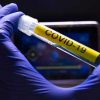
COVID-19 Vaccines: How and When Will Lower-Income Countries Get Access?
COVID-19 vaccination programmes are gathering pace in high-income countries, but for much of the world, the future looks bleaker. Although a number of middle-income countries have started rolling out vaccines, widespread vaccination could still be years away.
Afghanistan Threatened With Rising Violence Once Again
When the Doha talks were launched in September, the Afghan people's hopes for an end of war and violence were high. So far, many have been disappointed as the negotiations have not done much to improve the security situation.
Imprisoned Saudi Activist and Other Rights Defenders Seek Justice in 2021
Two events generated significant interest and global solidarity in the final days of December 2020. A court in Saudi Arabia handed down a five years and eight months sentence to activist Loujain Al-Hathloul for publicly supporting women’s right to drive. Nicholas Opiyo, Ugandan human rights lawyer and defender of persecuted members of the LGBTQI community and political opponents of the president was arbitrarily detained on trumped up charges of ‘money laundering.’ Nicholas Opiyo was granted bail on 30 December following an outpouring of global support for his activism for justice. In handing out the verdict to Loujain Al-Hathloul, the court partly suspended her sentence raising hope that she might be released from prison in a couple of months due to time already served.
We Need a Global Coordinated Effort to Secure Equal Access to Safe & Effective Vaccines
A year into the COVID-19 crisis, countries across the globe continue to face alarming levels of pressure on their health and social services. Education and other essential rights, such as water and sanitation, have been severely compromised.
Tuberculosis Kills As Many People Each Year As COVID-19. It’s Time We Found a Better Vaccine
In July 1921, a French infant became the first person to receive an experimental vaccine against tuberculosis (TB), after the mother had died from the disease. The vaccine, known as Bacille Calmette-Guérin (BCG), is the same one still used today.« Previous Page — Next Page »


The Week with IPS

NEXT STOP - SDGs
Tracking global progress towards a sustainable world
Tracking global progress towards a sustainable world
