Languages
Friday, October 9, 2026



News and Views from the Global South
Latin America & the Caribbean

COP15: Unsustainable Infrastructure Threatens Biodiversity
Created in 2016, the Mexican Caribbean Biosphere Reserve (MCBR) hosts 1900 species of animals and plants and contains half of the Mesoamerican Barrier Reef System, the second largest in the world after Australia's Great Barrier Reef.
Solar Energy Benefits Children and Indigenous People in Northern Brazil
Solar energy is booming in Roraima, a state in the far north of Brazil, to the benefit of indigenous people and children in its capital, Boa Vista, and helping to provide a stable energy supply to the entire populace, who suffer frequent electricity shortages and blackouts.
IPS Journalist Emilio Godoy Wins UNCA Gold Medal
Inter Press Service (IPS) correspondent in Mexico Emilio Godoy has won the prestigious Prince Albert II of Monaco Foundation Award for coverage of climate change, biodiversity and water, awarded by the United Nations Correspondents Association (UNCA), receiving a gold medal.
Energy Efficiency Is Law in Chile but Concrete Progress Is Slow in Coming
The Energy Efficiency Law began to gradually be implemented in Chile after the approval of its regulations, but more efforts and institutions are still lacking before it can produce results.
A Little Land Helps Indigenous Venezuelans Integrate in Brazil
A group of Warao families are, through their own efforts, paving the way for the integration of indigenous Venezuelans in Brazil, five years after the start of the wave of their migration to the border state of Roraima.
An Ineffective Mexico, in the Face of Maritime Pollution
Mexico has more than 11,000 square kilometers of continental coastline and intense maritime traffic. This Latin American country received 12 045 vessels as of July, compared to 11 971 on that date in 2021.
For this Caribbean Island, Ozone Protection is a Year-Round Mission
For countries across the globe, September 16th is a day to reflect on progress in protecting the ozone layer. The United Nations designated day for the preservation of the ozone layer is marked by speeches, and educational and social media campaigns.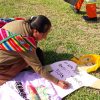
Pandemic Aggravated Violence against Women in Latin America
Violence against women has failed to decline in the Latin American region after the sharp rise recorded during the COVID-19 pandemic, while preventing the causes of such violence remains a major challenge.
Arbitrary Arrests in El Salvador Hit the LGBTI Community
Police raids against gang members in El Salvador, under a state of emergency in which some civil rights have been suspended, have also affected members of the LGBTI community, and everything points to arrests motivated by hatred of their sexual identity.
Loss and Damage Fund Saves COP27 from the Abyss
They were on the brink of shipwreck and did not leave happy, but did feel satisfied that they got the best they could. The countries of the global South achieved something decisive at COP27: the creation of a special fund to address the damage and loss caused by climate change in the most vulnerable nations.
Peruvian Women Still Denied Their Right to Abortion
No woman in Peru should have to die, have her physical or mental health affected, be treated as a criminal or have an unwanted pregnancy because she does not have access to abortion, said Dr. Rocío Gutiérrez, an obstetrician who is the deputy director of the Manuela Ramos Movement, a non-governmental feminist center that works for gender rights in this South American country.
Indigenous Peoples Have Their Own Agenda at COP27, Demand Direct Financing
Indigenous peoples are no longer content just to attend as observers and to be seen as victims of the impacts of the current development model, at the 27th Conference of the Parties (COP27) on Climate Change. That is why they came to the summit in Egypt with an agenda of their own, including the demand that their communities directly receive funding for climate action.
Former War Zones in El Salvador Obtain Water with the Help of the Sun – VIDEO
 Several community-run water projects powered by solar energy have improved the quality of life of thousands of rural families in areas that were the scene of heavy fighting during El Salvador's civil war in the 1980s.
Solar Power Brings Water to Families in Former War Zones in El Salvador
The need for potable water led several rural settlements in El Salvador, at the end of the 12-year civil war in 1992, to rebuild what was destroyed and to innovate with technologies that at the time seemed unattainable, but which now benefit hundreds of families.
Mexican Environmental Prosecutor’s Office Dodges Charges against Mayan Train
A beige line slashes its way through the Mayan jungle near the municipality of Izamal in the southeastern Mexican state of Yucatán. It is section 3, 172 kilometers long, of the Mayan Train (TM), the most important megaproject of President Andrés Manuel López Obrador's administration.
Oil Exporters Make Markets, Not War
The decision to cut oil production by the Organization of Petroleum Exporting Countries (OPEC) and its allies as of Nov. 1 comes in response to the need to face a shrinking market, although it also forms part of the current clash between Russia and the West.
Migration for Many Venezuelans Turns from Hope to Nightmare
Thousands of Venezuelans who have crossed the treacherous Darien jungle between Colombia and Panama, or who have made the perilous journey through Central America and Mexico to reach the United States, have found themselves stranded in countries that do not want them, unable to continue their journey or to afford to return to their country.
Solar Energy, the Solution for Remote Communities in Argentina
When asked about the impact of incorporating solar energy at the school he runs in Atraico, a remote rural area in the Patagonian steppe in southern Argentina, Claudio Amaya Gatica is unequivocal: "Life has changed, not only for the school but for the whole community.”
Local Solutions Boost Sustainable Micro-Mobility in Cuba
The incorporation of small electric vehicles for public transport, together with initiatives that encourage the use of bicycles, represent opportunities and challenges for Cuba to sustainably and inclusively combat the chronic problems in urban mobility.
Say “No” to Foreign Intervention in Haiti to Kill our People: We Stand Ready for Peaceful Transition of Leadership
Talks of an inevitable U.S. military intervention in Haiti are brewing within diplomatic circles. Without any constitutional or legal authority, our Haitian de facto government gave the green light for special forces to be sent to Haiti to combat our poor people-forgotten, jobless, left with no other choice for survival but the gang violence and insurrection ravaging the country.
Agroecological Women Farmers Boost Food Security in Peru’s Highlands
Lourdes Barreto, 47, says that as an agroecological small farmer she has improved her life and that of Mother Earth. "I love myself as I love Mother Earth and I have learned to value both of us," she says in her field outside the village of Huasao, in the highlands of the southern Peruvian department of Cuzco.« Previous Page — Next Page » *#*


The Week with IPS

NEXT STOP - SDGs
Tracking global progress towards a sustainable world
Tracking global progress towards a sustainable world

