Languages
Tuesday, October 13, 2026



News and Views from the Global South
North America
Obama Gets More Time for Iran Nuclear Deal
The administration of President Barack Obama appears to have succeeded in preventing Congress from enacting new sanctions against Iran before the next round of nuclear-related talks between the U.S. and other great powers and Tehran scheduled for Geneva Nov. 20.
Lavrov Reveals Amended Draft Circulated at “Last Moment”
Russian Foreign Minister Sergey Lavrov revealed a crucial detail Thursday about last week's nuclear talks with Iran in Geneva that explains much more clearly than previous reports why the meeting broke up without agreement.
In Anti-Poaching Warning, U.S. Destroys Ivory Stockpiles
The United States has become the first developed country to destroy its stock of seized ivory, a move being widely lauded by conservation groups pushing for an outright ban on domestic ivory sales.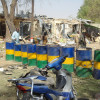
U.S. Labels Boko Haram, Ansaru as Terror Groups
The U.S. government has designated the Nigeria-based militant groups Boko Haram and Ansaru as terrorist organisations, prohibiting U.S. citizens from interacting or aiding the groups.
U.S. Fights G77 on Most Counts at Climate Meet, Leaked Doc Shows
The U.S. delegation negotiating at the U.N. international climate change conference in Poland is pushing an agenda of minimising the role of “Loss and Damage” in the UNFCCC framework, prioritising private finance in the Green Climate Fund, and delaying the deadline for post-2020 emission reduction commitments, according to a State Department negotiating strategy which IPS has seen.
The NSA and the End of the U.S. Empire
The linchpin of an empire is the link between two elites, one in the imperial centre, the others in the peripheries. Symmetric alliances exist, but not when there is a superpower at the centre.
Scuppered Iran Deal Faces Scrutiny in U.S. Congress
The anticipated agreement over Iran’s controversial nuclear programme that seemed to slip away in the last stage of talks in Geneva last week is now being hotly debated on Capitol Hill.Seeking Asylum Can Mean Living on the Streets
Asylum seekers who travel to the United States to escape persecution in their home countries receive no assistance from the U.S. government and are not allowed to work for months, which activists say lead many to live on the streets or work illegally.OP-ED: Saudi Anger Masks Concern About Loss of Influence
Saudi Arabia’s public anger against the United States masks the kingdom’s growing concern about its diminishing influence in the Persian Gulf and the wider Arab world.Are Iran and the United States Headed Towards a “Heroic Agreement”?
Signs of rapprochement between Tehran and Washington are growing. A new era seems about to begin. It is now possible to imagine a political solution that would put an end to the 33-year confrontation between Iran and the United States.
Closer, But No Deal Over Iran’s Nuclear Programme
Despite rising hopes amid an unexpected turn of events, negotiations here between Iran and six world powers have ended without an agreement over Tehran’s nuclear programme.Secret Evidence Plays Growing Role in Canada’s Immigration Courts
Gossip and rumour based on secret intelligence sources may be all that is needed to deport a foreign national from Canada on national security grounds, legal experts say.
Iran’s Zarif Talks Possible Details on Nuclear Deal
Raising expectations for a deal over its controversial nuclear programme, Iran’s chief negotiator Mohammad Javad Zarif has said that a joint statement on the framework of a nuclear deal could be issued as early as Friday here amid ongoing negotiations with the P5+1 group of world powers.U.S. a Favourite Roost of Vulture Funds
Aggressive creditors and investors are seriously undermining the ability of poor countries to deal sustainably with debt issues, academics and anti-poverty campaigners told a briefing at the U.S. Capitol on Wednesday.
Drone Strike Served CIA Revenge, Blocked Pakistan’s Strategy
After a drone strike had reportedly killed Pakistani Taliban leader Hakimullah Mehsud Nov. 1, the spokesperson for the U.S. National Security Council declared that, if true, it would be “a serious loss” for the terrorist organisation.
Cracks Widen in U.S.-Saudi Alliance
While Monday’s meeting between Secretary of State John Kerry and Saudi King Abdullah may have helped calm the waters, the latest anxieties and anger expressed by Riyadh toward the United States has reignited debate here about the value of the two countries’ long-standing alliance.
U.S., Iran Try to Narrow Gaps on Nuclear Deal
Against a backdrop of cautious optimism, Iran and six world powers known as the P5+1 are reconvening here for talks Nov. 7-8 over Tehran’s nuclear programme.
Mayor Who Let Them Eat Cake Now Eating Crow
When Michael Bloomberg was elected mayor of this city only weeks after the Sept. 11, 2001 terrorist attacks, few imagined that by the time he left office a new building would have risen in the shadow of the Twin Towers.
Less Food for More Hungry
Deep cuts in food aid for poor people in the United States are poised to bring higher demands on charities and food pantries across the country that provide food to families in need – and which are already overstretched.
U.S.-Iran Poised for Breakthrough on Hostage Crisis Anniversary
On the 34th anniversary of the seizure by Iranian militants of the U.S. Embassy in Tehran, a growing number of experts here believe Washington and the Islamic Republic may be moving toward détente, if not rapprochement.
Nuclear Called a Lesser Evil than Fossil Fuels
Four prominent climate and energy scientists are calling on environmentalists to rethink their longstanding opposition to nuclear energy, warning that there is no “credible path to climate stabilization that does not include a substantial role for nuclear power”.« Previous Page — Next Page »








The Week with IPS

NEXT STOP - SDGs
Tracking global progress towards a sustainable world
Tracking global progress towards a sustainable world
