Languages
Thursday, November 12, 2026



News and Views from the Global South
North America
Over Objections, U.S. Lifts Myanmar Investment Ban
In a highly anticipated confirmation, the United States on Thursday announced that it would be significantly rolling back bilateral economic restrictions that have been in place on Myanmar (Burma) for a decade and a half.U.S.: Tea Party Loses in Fight with Big Business
For leaders of the right-wing populist "Tea Party" who have bragged about their growing influence – if not domination – of the Republican Party, the past week's battle over the future of the U.S. Export-Import Bank (Ex-Im) has been a humbling experience.
COLOMBIA-U.S.: Trade Deal “Throws Country into Jaws of Multinationals,” Critics Say
The entry into force of Colombia’s free trade agreement with the United States was met by student protests and opposition from a segment of the business community, small farmers, and trade unionists.OP-ED: Arab Autocrats Aiding Resurgence of Terrorism
The rising spectre of terrorism in Syria shows that by clinging to power and refusing to implement meaningful reforms, Arab autocrats in Syria, Bahrain, and elsewhere are indirectly contributing to the resurgence of terrorism in their societies.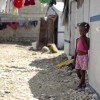
Post-Quake Haiti Severely Dependent on Private Sector
More than two years after the January 2010 earthquake in Haiti, NGOs and private contractors are continuing to provide 80 percent of the country's social services.OP-ED: Bullying, Leadership and the Presidency of the United States
The 1965 bullying incident at Michigan's elite Cranbrook School that came to light this week has kicked off a series of conversations about bullying and about the extent to which we should hold our nation's leaders accountable for past behaviour.
U.S.: Occupiers Reclaim Land for Sustainable Farming
With hoes, shovels, some 15,000 seedlings and a bolt cutter to break the locks that kept them out, students, community members and participants from nearby Occupy movements have laid claim to an undeveloped 10-acre parcel since Earth Day, Apr. 22, in Albany, California.U.S. Arms Sale Sends Wrong Signal to Bahrain, Groups Say
The administration of U.S. President Barack Obama is sending the wrong signal to the government of Bahrain in proceeding with a partial sale of new arms to Manama, according to human rights activists and some lawmakers here.Controversy and Deadly Destruction Arising from Drone Use
Grasshoppers and other insects might become the next generation of drones, if researchers with the Israeli research centre Technion who are studying the movements of these insects succeed. Ultimately, they hope to be able to remotely control where the insects fly.U.S. Treasury Claim of Iran-Al-Qaeda “Secret Deal” Is Discredited
The U.S. Treasury Department's claim of a "secret deal" between Iran and Al-Qaeda, which had become a key argument by right-wing activists who support war against Iran, has been discredited by former intelligence officials in the wake of publication of documents from Osama bin Laden's files revealing a high level of antagonism between Al-Qaeda and Iran.
Water Conflicts Move Up on U.S. Security Agenda
On Wednesday, the United States intelligence community unveiled a first-ever assessment of global water-security issues.
U.S.: Obama Comes Out For Same-Sex Marriage
U.S. President Barack Obama Wednesday declared his support for same-sex marriage, becoming the first sitting president to do so and thrusting the issue into the centre of his campaign for re-election.
China Key to Green Tech Innovation?
With U.S. federal funding sources for renewable energy sources already drying up, coupled with a newfound antipathy towards "green" issues issue here in Washington, some are suggesting that China could offer an important opportunity for the future of renewables in the United States and around the world.OP-ED: Waiting for Copernicus
It's happening in Buenos Aires. It's happening in Paris and in Athens. It's even happening at the World Bank headquarters.
Tunisia’s Revolution is Just Beginning
Lingering violence, intolerance and oppression in Tunisia, following the ousting of former dictator Zine el-Abidine Ben Ali in January 2011, tells the revolutionaries who sparked the Arab Spring that their work is just beginning.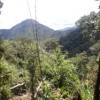
Indigenous Peruvian Community Locked in Dispute with Oil Company
An indigenous group in the Amazon rain forest took its anti-oil message to Canada in a case rife with accusations of social and environmental damage that highlights the issue of securing consent prior to commencing exploration operations.
Paramilitary Killings in Bangladesh Dragged into the Light
What is a journalist to do when simply providing information is not enough to bring about the desired change? Why, turn to art, of course.Clearer Targets Urged for U.S. Foreign Aid
Given the likely persistence of political pressure to reduce the yawning federal deficit, the United States – whether under President Barack Obama or his presumed Republican challenger, Mitt Romney – must be more selective in its foreign aid programme, according to a new report released here Tuesday by two influential think tanks.
Hope Dwindles Ahead of Elections in Algeria
"Is that your photo on the poster?" a policeman asked a woman standing in front of an electoral campaign board in Algiers. "Why do you ask?" she inquired. "Because only the candidates are interested in these elections," he replied.
Climate Change Threatens Crucial Marine Algae
Without major reductions in the use of fossil fuels, sunlight is to kill an unknown number of ocean phytoplankton, the planet's most important organism, a new study reports this week.
U.S.: Ethnic Minority Youth Lead New Wave of Student Activism
In December 1985, The New York Times reported on what was believed to be the first anti-apartheid conference of U.S. high schools discussing divestment from corporations operating in South Africa.« Previous Page — Next Page »





The Week with IPS

NEXT STOP - SDGs
Tracking global progress towards a sustainable world
Tracking global progress towards a sustainable world
