Languages
Sunday, November 22, 2026



News and Views from the Global South
Regional Categories

No More Lost Generations: Global Fund Provides Education for Children in Crisis
15-year-old Humaira* sits on the mud floor of her hut in Ukhiya camp, Cox's Bazar, listening as the rain beats down on the tarpaulin roof.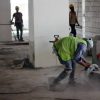
Getting India’s Construction Workers Their Entitlements
Basant Lal Chaudhary migrated from his village of 1,200 people in Madhya Pradesh, to a city of 90,000 people in Jammu and Kashmir in 2016. He last worked as a construction worker, before the COVID-19 lockdown forced him out of employment.“I used to earn a daily wage of INR 350. That was my only source of income,” he shares. During the lockdown, he along with others who worked with him, are finding it difficult to make the ends meet.”I don’t know whether I will be able to find work here anytime soon.”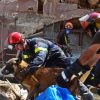
The Beirut Blast: An Accident in Name Only
The catastrophic explosion in Beirut’s port is a manifestation of the Lebanese political elite’s predation and dysfunction. Among the country’s long-suffering citizens, shock is quickly yielding to fury. It may be the last chance for those in power to effect long-overdue structural reforms.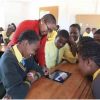
Young South Africans are Shut Out From Work: They Need a Chance to Get Digital Skills
Most young people from disadvantaged backgrounds in South Africa continue to be denied access to information and communications technology because of poor infrastructure and the digital divide.
Keeping Education within the Grasp of Refugee Children
“Not being able to go to school is not something I’d wish on any child in this world,” said 21-year-old Nujeen Mustafa, a young advocate for refugees who fled the Syrian war with her sister. Mustafa, who now lives in Germany, is also the United Nations Human Rights Council (UNHCR) high profile supporter.
Debt Hawks Detract from Urgently Needed Fiscal Recovery Efforts
Developing country debt has continued to grow rapidly since the 2008-2009 global financial crisis (GFC). Warnings against debt have been reiterated by familiar prophets of debt doom such as new World Bank chief economist, Carmen Reinhart, once dubbed the ‘godmother of austerity’.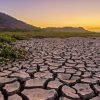
Crisis Management 101: Treating the Climate Crisis Like a Pandemic
On 23 February 2020, the South Korean government raised the national Crisis Alert Level to the highest tier in response to the Covid-19 pandemic. Since then, we have witnessed what our society is capable of when faced with a crisis.
Youth Rural-Urban Migration Hurts Malawi’s Agriculture
As households in Chiradzulu District in Southern Malawi start preparing their farms for the next maize growing season, Frederick Yohane, 24, is a busy young man.
Impending Food Crisis in Lebanon will Largely Affect Migrant Workers
Migrant workers and refugees in Lebanon will “inevitably” suffer the most as food insecurity threatens the nation following last week’s blast.
To Stay Ahead of the Next Insect Outbreak, Harness Available Data Intelligence
Recently, the UK contributed £17 million to support the Food and Agriculture Organization of the United Nations (FAO) to continue their efforts to combat the desert locust surge in East Africa and improve early warning and forecasting systems.
COVID-19: Where to From Here For Efforts to Support Youth Economic Inclusion?
As the world marks International Youth Day on August 12, it is difficult to ignore the impact of the COVID-19 pandemic on young people - particularly on efforts towards youth economic inclusion in Africa. Meaningful and swift action is needed from African states to ensure the damage is not long-lasting.
Reform of the United Nations Organization
The US detains essential keys to the political and economic stability of the planet. The last four years have been challenging for Americans, their allies, and the rest of the world.
CPTPP Trade Liberalization Charade Continues
The Trans-Pacific Partnership (TPP) Agreement should be dead and buried after President Trump announced US withdrawal immediately after his inauguration in January 2017. After all, most major US presidential candidates in the last election, including Hillary Clinton, had opposed the TPP.
COVID Crisis Challenges in People with Disabilities and Hansen’s Disease
Even during the best of times, unfortunately members of the global community who have special needs are marginalized and often treated as social outcasts. The COVID crisis which has been raging for over the better part of the year 2020 has posed additional barriers and challenges for these already disenfranchised individuals.
Understanding the Benefits of local Wetland Encourages Eswatini Community to Save it
Sibonisiwe Hlanze, from Lawuba in Eswatini’s Shiselweni Region, lights up as she shows off her sleeping mat which she made from what she described as “the highest quality indigenous fibre”.
Where Do We Come From? What Are We? Where Are We Going?
COVID-19 has become a scourge affecting all levels of human society – morals, behaviour, human interaction, economy and politics. The pandemic has wrecked havoc on our way of being and its impact will remain huge and all-encompassing. It is not only affecting our globally shared existence, it is also changing what has been called ”the little life”, i.e. our own way of thinking and being, our personal life situation and the one of those close to us; people we love and depend upon – our friends and family.
Building Resilience in Pacific Education
School as we all know it hasn’t changed that much in over a century. However, in the face of new threats to health and wellbeing, the future of those familiar structures that bring teachers and students together is starting to be questioned.
Warming Temperatures & Decades of Oil Spills Cause Irreversible Damage to the Persian Gulf
The Persian Gulf is one of the most strategic waterways in the world and is also one of the most polluted. According to estimates by experts, pollution levels in the Persian Gulf are 47 times higher than the world’s average and are steadily increasing.
As Latin America Looks to a COVID Recovery, It Will Need to Tackle its Growing Middle-Class Angst
While COVID-19 continues to wreak havoc across Latin America, its governments are developing policies which they hope will provide for a rapid economic recovery when the pandemic wanes.
28 Organizations Promoting Indigenous Food Sovereignty
These 28 organizations are preserving Indigenous food systems and promoting Indigenous food sovereignty through the rematriation of Indigenous land, seeds, food and histories.
COVID-19 – Some 23.8 Million More Children Will Drop out of School
Countries with low human development are facing the brunt of school lockdowns, with more than 85 percent of their students effectively out of school by the second quarter of 2020, according to a United Nations policy brief on the impact of COVID-19 on education.« Previous Page — Next Page »


The Week with IPS

NEXT STOP - SDGs
Tracking global progress towards a sustainable world
Tracking global progress towards a sustainable world
