Languages
Wednesday, November 25, 2026



News and Views from the Global South
Regional Categories

Leprosy Remains a Stubborn, Unseen Problem in the Philippines
The stubborn challenge of diagnosis and treatment of leprosy among difficult to reach populations in the Philippines should soon become easier with the rollout of a mobile app connecting field health workers with physicians and clinics.
A Global Imperative: Empowering Women is Critical for World’s Economy & People
March 8 marks International Women’s Day, which provides a chance to reflect on the struggle for greater gender equality. The roots of this annual event reach back more than a century, yet its focus on respect and opportunities for women remains strikingly relevant today—from sexual harassment and violence to unequal laws and unfairness in the workplace, where women are too often underemployed, underpaid, and underpromoted.
Education Key to Gender Equality in Asia & the Pacific
Equal rights have been demanded and promised for generations, but last year a shift occurred in the women’s movement. Across Asia and the Pacific and around the world, women demonstrated to condemn a status quo which continues to deprive too many women and girls of respect and equal opportunity.
The Misconceptions of Contraception
In light of rates of sexually transmitted infections (STIs) and unintended pregnancies, governments are exploring ways to tackle taboos around condoms. In a new study, the UN Population Fund (UNFPA) reviews the availability and accessibility of condoms, hoping to dismantle potentially harmful misconceptions.
Slavery is Not a Thing of the Past, It Still Exists Today Affecting Millions
While natural hazards like hurricanes, exacerbated by climate change, are causing people to migrate, it’s conflict, violence and persecution that have forced more than 68.5 million people from their homes today, exposing them to higher risks and increased vulnerability, especially women and children.
Mauritius Scores Win over Britain in Diego Garcia Decolonisation
Mauritius has scored a victory over Britain at the International Court of Justice (ICJ) in a case involving the decolonisation of the strategically important island of Diego Garcia that is home to a United States military base.
Developing Agriprenuers to Save Nigeria’s Youth from Crime
When Lawrence Afere told his parents he was going into farming rather than getting a job in Nigeria’s lucrative oil and gas sector, they swore he was bewitched.
UN Accused of Failing to Move Aggressively Against Sexual Abuse
The United Nations, which prides itself with a “zero tolerance” policy on sexual exploitation and abuse, has come under relentless fire for failing to match its words with deeds—specifically in relation to some of the high-profile cases that have jolted the Organization.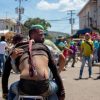
Repression Stands in the Way of Political Solution to Crisis in Venezuela
The violent repression that prevented food and medical aid from crossing into Venezuela, which left at least four people dead and 58 with gunshot wounds, has distanced solutions to what is today Latin America's biggest political crisis, although 10 countries in the hemisphere are stepping up the pressure while at the same time ruling out the use of force.
Accelerating the Caribbean’s Climate Resilience
The Caribbean Climate Smart Accelerator launched last year June with the backing of Virgin’s Richard Branson has given itself five years to help the region become climate resilient.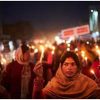
Sexual Assault Survivors March to End Gender Violence in India
In an historic first, thousands of people participated in a 10,000-kilometre long Dignity March across India to raise awareness about sexual violence, bring an end to stigma faced by survivors, and highlight the barriers women and children face in accessing justice.
Hate Speech Threatens Our Humanity
Do politicians’ words matter? Since becoming US President, Donald J Trump has dismissed his opponents and others he does not like as evil, stupid or both. He has referred to undocumented immigrants as animals, and to poor countries as shitholes.
Does Climate Change Offer New Opportunities for Agriculture in Argentina?
Climate change poses a global threat to food production, but for agriculture in Argentina it could also present new opportunities. In some areas of the country, farming conditions will improve, according to an analysis by experts of the latest climate projections.
Why West Craves Materialism & East Sticks To Religion
My generation grew up at a time when colonial hang up was at its peak. Our older generation had been slaves and had a huge inferiority complex of the British. The school I went to was similar to all elite schools in Pakistan.
The Wall: Thirty Years Ago European Walls Were Destroyed, but Others Are Being Built
On January 25, 2017, the Trump administration signed Executive Order 13767, instructing the Government to begin new constructions and replacements of walls between the US and Mexico. From December 22, 2018 to January 25, 2019, the federal government was partially shut down due to President Trump's declared intention to veto any spending bill that did not include $5 billion in funding for a border wall. It was with good reason the Congress withheld such an enormous sum of money. As the European experience indicates, building walls between countries has proven to be both obsolete and disastrous.
Modern Day Slavery Rated World’s Largest Single Crime Industry
After an exhaustive study of modern day slavery, the Geneva-based International Labour Organization (ILO) concluded there are over 40 million people who are victims of slavery, including 25 million in forced labour and 15 million in forced marriages – with at least 71 percent of them comprising women and girls.
De-radicalization and the Defeat of Isis: Radicalization Will Not Disappear by Itself
The defeat of ISIS in Middle East and North African battlefields is now a reality. The terrorist group - which brought bereavement to the populations of the Arab region - has been defeated militarily in Iraq and in Syria.
Taking the Lead in Fight Against Climate Change
As the grandchild of Jamaican citizens who moved to Great Britain, Monique Taffe says she inherited a tradition of recycling and learned not to be part of the “throwaway culture”, as some environmentalists have labelled consumerist societies.
Local School Is a Model for Energy and Water in Rapa Nui
A school in the capital of Easter Island (Rapa Nui, in the local indigenous tongue) gives an example of clean management with the use of solar energy, rainwater recovery and an organic vegetable garden, as well as rooms and spaces built with waste materials.
The Future of Urbanism: Is the UAE Pioneering it?
According to data from the UN Development Programme (UNDP), the Arab world is one of the most urbanised areas in the world, with more than 70 per cent of the population of the six-member Gulf Cooperation Council (GCC)--- Bahrain, Kuwait, Oman, Qatar, Saudi Arabia, and the United Arab Emirates (UAE)-- living in urban areas.
World’s Youth Are Being Left Behind
Globally, youth are being left behind in education and employment, threatening the future vision of sustainable, inclusive, and prosperous societies.« Previous Page — Next Page »


The Week with IPS

NEXT STOP - SDGs
Tracking global progress towards a sustainable world
