Languages
Tuesday, November 24, 2026



News and Views from the Global South


Becoming Drought Resilient: Why African Farmers Must Consider Drought Tolerant Crops
The latest UN Food and Agriculture Organization’s annual Africa Regional Overview of Food Security and Nutrition Report highlighted drought as one of the key factors contributing to the continuing rise in the number of hungry people in sub-Saharan Africa. And in South Africa, the Government’s Crop Estimates Committee announced that the country would harvest 20 percent less maize in 2019 because of drought conditions.
People Affected by Leprosy in Latin America Unite for Their Rights and Their Voice
With the decision to found a regional coalition to promote rights and greater participation in national and international forums and decisions, the First Latin American and Caribbean Assembly of Organisations of People Affected by Hansen's disease, popularly known - and stigmatised - as leprosy, came to an end.
Helping St. Vincent’s Fishers Maintain an Essential Industry in a Changing Climate
 From an influx of sargassum in near-shore waters, to fish venturing further out to sea to find cooler, more oxygenated water, fishers in St. Vincent and the Grenadines are battling the vagaries of climate change. The country is doing what it can to respond.

Tobacco Industry Targets Women in Asia
International Women’s Day on 8 March recognized and celebrated the progress women are making globally. The day also acknowledged the risks, exploitation and suffering many continue to endure.
In Latin America, the Term Leprosy Still Carries a Burden from Biblical Times
Known scientifically as Hansen's disease, leprosy carries a symbolic burden from the past that people affected by the disease and experts from around Latin America are fighting, including the terminology used.
Using Climate-Smart Solutions to Promote Peace in South Sudan
Almost a month to go ahead of the traditional rainy season in Gbudue State, 430 kilometres west of South Sudan’s capital, Juba, smallholder farmers are already tilling their land as they prepare to plant purer, drought-tolerant seeds.
Gang Rape & Murder of 12 Year Old Somali Girl Sparks Fury
Aisha Elias Adan was abducted on the evening of February 24th at a market in Israc village, Puntland, Somalia. Her body was carelessly dumped in front of her family home the following morning. A doctor’s report showed that she had been brutally gang-raped.
From 2018: When Environmental Crises Hit Homes, Women Suffer the Most
When Mandelena became a mother, she was only 16. During the prolonged dry season in Gwor County, South Sudan, her community saw crops failing and cattle dying. Children stopped going to school because of hunger and women and girls had to walk up to five hours every day to collect water.
Syrian Crisis Enters Ninth Year with 11 Million Refugees Overseas & 6 Million Home
The bell rings and the halls erupt with the sounds of chatter and excitement as hundreds of children run to the dusty courtyard for recess. I joined them to play football but the game instead turned into a round of questions.
Free Stella Nyanzi, Demand Pan African Activists in Ghana
On Saturday 9th March, a small group of activists from Ghana, concerned by the continued incarceration of Ugandan feminist activist Dr Stella Nyanzi, rallied by the symbolic national independence Square to raise awareness on the dangers of remaining quiet to injustice.
People Affected by Leprosy Still Face Stigma in Latin America
The First Latin American and Caribbean Meeting of Organisations of People Affected by Hansen's Disease, more widely known as leprosy, seeks to exorcise stigma and discrimination. The meeting has brought together around a hundred activists in Brazil.
Multilateralism: A Testimony
For over 70 years, the UN system has been perceived as the guardian of peace and development in the world. However, multilateralism today is undeniably under strain. The effectiveness of global institutions and of global policymaking is questioned, and alliances are fraying.
Innovative Sustainable Business: A Three Trillion-Dollar Opportunity that UN Environment Wants People to Develop
In the East African region, communities around the continent’s largest water body, Lake Victoria, regard the water hyacinth as a great menace that clogs the lake and hampers their fishing activities. But in Lagos, Nigeria, some groups of women have learned how to convert the invasive weed into a resource, providing them with the raw material needed to make handicrafts.
Women, Work, and Migration
Social barriers have historically been blamed for the lack of gender parity in the workplace. But there are other dimensions to this age-old discourse.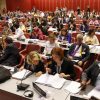
Gender Quotas Help Women Parliamentarians to Rise in Numbers
When the Inter Parliamentary Union (IPU), based in Switzerland, released its annual report on the representation of women legislators worldwide, four of the top five countries were from the developing world. Rwanda led the way with 61.3 percent of the seats held by women in its lower or single house of parliament followed by Cuba (53.2 percent), Bolivia (53.1 percent) and Mexico (48.2 percent).
Promoting Privatization
Privatization has been central to the ‘neo-liberal’ counter-revolution from the 1970s against government economic interventions associated with Roosevelt and Keynes as well as post-colonial state-led economic development. Many developing countries were forced to accept privatization policies as a condition for credit or loan support from the World Bank and other international financial institutions, especially after the fiscal and debt crises of the early 1980s. Other countries voluntarily embraced privatization, often on the pretext of fiscal and debt constraints, in their efforts to mimic new Anglo-American criteria of economic progress.
UN Pays Homage to Staffers Who Died in Plane Crash
The United Nations headquarters is in mourning – and the UN flag is at half mast. The deaths of 21 UN staffers March 10, on board an Ethiopian Airlines flight in Addis Ababa, is one of the biggest tragedies in the extended UN family—with a flashback to the deaths of 22 people, mostly UN staffers, who lost their lives in the Canal Hotel bombing in the Iraqi capital of Baghdad in August 2003.
The Crisis in Venezuela
My mission to Venezuela in November/December 2017 was the first by a UN rapporteur in 21 years. It was intended to open the door to the visit of other rapporteurs and to explore ways how to help the Venezuelan people overcome the protracted economic and institutional crisis.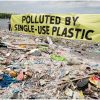
The Rising Trend of Zero Waste Lifestyles
Not too long ago, the term “zero waste” was just one of those boring policy directives or catchphrases thrown around by governments. But in the last few years, ‘going zero waste’ has taken on a new direction as a lifestyle trend of the insta-famous, who are helping to make zero waste a movement that anyone can get involved in.
Access to Water Is a Daily Battle in Poor Neighborhoods in Buenos Aires
"Look at this water. Would you drink it?" asks José Pablo Zubieta, as he shows a glass he has just filled from a faucet, where yellow and brown sediment float, in his home in Villa La Cava, a shantytown on the outskirts of Argentina's capital.
Q&A: Inventor from a Small Fishing Village in Saint Lucia Provides Hope for Water Woes
Karlis Noel spends his days in his lab in the small, picturesque community of Laborie in St. Lucia. The former fisherman’s story might sound like an overnight success, but his present accolades in the field of engineering are the result of years of hard work and an unceasing drive to make life easier for communities in the throes of a water crisis.« Previous Page — Next Page »


Want to keep up with the latest news and views from the Global South? Sign up for IPS Daily News Report for daily emails with our top stories about international development, climate change, gender and more. (Formerly IPS TerraViva since 1993).

The Week with IPS

NEXT STOP - SDGs
Tracking global progress towards a sustainable world
