Languages
Friday, November 20, 2026



News and Views from the Global South
Africa
WATER-AFRICA: Civil Society Demands Action, Not Words
"No more commitments... We have had enough of the promises. Can we please see something happening on the ground? Right now, it is business as usual and that’s why Africa is off-track on the MDG target."
SWAZILAND: Help Sex Workers – Senator
It is one of the world's oldest professions, dating so far back that it is even mentioned in the Bible. But in the deeply cultural and religious country of Swaziland, Senator Thuli Msane stirred a hornet's nest when she publicly challenged a new strict bill opposing prostitution.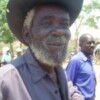
AGRICULTURE-ZIMBABWE: New Methods to Maximise Yields
Last season, for the first time in her more than 20 years as a farmer, Elizabeth Runema harvested her maize crop at the beginning of February.CLIMATE CHANGE: Africa Told ‘Stop Playing the Victim’
Critics of carbon trading, a strategy meant to combat global warming, say the buying and selling of carbon credits is being exploited.CLIMATE CHANGE: Africa In the Global Carbon Trade
Carbon trading, as promoted by the Kyoto Protocol's Clean Development Mechanism (CDM), has become a key global strategy to reduce greenhouse gas emissions.
AFRICA: Taking the Lead on Water
Water is a resource that binds people together, for better or worse.POLITICS-MOZAMBIQUE: Victory for Frelimo Amid Claims of Election Fraud
The incumbent, President Armando Guebuza, has won the Mozambican 2009 elections in a landslide, obtaining three quarters of the votes, according to official results.SIERRA LEONE: Claims Presidency Interferes with Judiciary
It may be seven years after the country’s civil war, but Sierra Leone is still battling to obtain an independent judiciary.
ZAMBIA: Media Face Beatings and Attacks
When journalists were beaten by political supporters for covering the president’s return trip from abroad, and cabinet ministers and police officers looked on without stopping it, it seemed to be the last straw in the victimisation of the media. But it was not.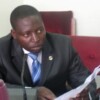
RIGHTS-UGANDA: “You Cannot Tell Me You Will Kill Me Because I’m Gay”
The Ugandan government will put to death gay citizens repeatedly caught having sex and throw into jail those who touch each other in a "gay" way, if a new proposed Bill becomes law.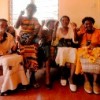
AFRICA: We Are the Government
As if they were going to the races, Emma Musako and Monica Mhango showed up in their finest outfits to attend a meeting on the health, social and environmental impacts of uranium mining. They came because they, like the other attendees, no longer want to remain uninformed citizens.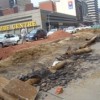
ZIMBABWE: Numerous Challenges For Harare Water Supply
Harare mayor Muchadeyi Masunda is a troubled man. When he took office in July 2008, one of his most immediate tasks was to resolve the water crisis in the capital.DEVELOPMENT: “Africans Should Become Their Own Philanthropists”
Africans "should dare to imagine an African world not defined by the World Bank or the International Monetary Fund but one that comes out of Africa". This is necessary for Africans to grow out of dependence and become the agents of their own development.
LESOTHO: AIDS Orphans get Helping Hand
Fifteen-year-old Ntsebeng Tlokotsi* sighs with relief as she is given 140 dollars. Along with it she receives a bag of maize meal and cooking oil. It is a government handout, and she qualifies for this only because both her parents are dead.CLIMATE CHANGE: Carbon Trading Welcomed, Criticised
A visit from Dutch contractors to Niassa Province, in northwestern Mozambique has got communities excited about the prospect of a carbon credit scheme in the area.AFRICA: Drug Subsidy Key to Anti-Malaria Effort
Just three percent of malaria-infected children in Africa get World Health Organisation-recommended drugs. One expert has equated this to a death sentence for sick children.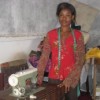
ECONOMY: Ghana Boosts Apprenticeships for Jobless Young Women
The small shack beside Marjorie Patterson's house encloses evidence of a hard day's work. Bags overflow with the bold prints of traditional African fabrics.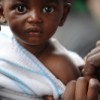
AFRICA: Malaria Vaccine Draws Closer
After 20 years of trials, scientists have announced they are on the threshold of discovering a malaria vaccine. Researchers warn that Africa may not be ready to make use of the vaccine should it be approved as expected within five years.RIGHTS-CAMEROON: The Reverend Raped Me
A countrywide survey of the incidence of rape in Cameroon has returned disturbing statistics: 20 percent of the nearly 38,000 women surveyed reported having been raped; another 14 percent said they had escaped a rape attempt.RIGHTS-MALAWI: Blame Game While Children Suffer
Every morning 12-year-old Thomson Genti and his seven-year-old brother, Chifundo, emerge dirty and wretched from the squalor of their hideout behind the crowded shops in the commercial town of Limbe. It is the start of a day of begging, beatings from the older street boys and insults from passers-by.
SIERRA LEONE: New Dawn for Small Farmers?
They call her "Marie Nerica", after a new breed of rice.« Previous Page — Next Page »


The Week with IPS

NEXT STOP - SDGs
Tracking global progress towards a sustainable world
Tracking global progress towards a sustainable world
