Languages
Sunday, November 8, 2026



News and Views from the Global South
Africa

The Recent Mauritius Oil Spill in Policy and Historical Context
On July 25 2020 the Japanese bulk carrier MV Wakashio with 3,894 tonnes of fuel aboard ran aground off the cost of Mauritius. By 9 August over 1000 tonnes of oil had seeped into the pristine waters off the coast of this beautiful island haven. This spill was so large that it was even visible from space https://www.livescience.com/mauritius-oil-spill-from-space.html
How Women-led Agribusinesses are Boosting Nutrition in Africa
Oluwaseun Sangoleye’s son developed rickets after rejecting baby formula. So she started a business to make natural baby cereal from locally-sourced ingredients in Nigeria.
Q&A: Ageing Africa Left out of COVID-19 Policies
Nearly three quarters of respondents in a survey across 18 African countries have claimed that their countries’ COVID-19 responses are gravely lacking in addressing the ageing population.
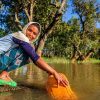
How Women & Girls are Forced to Trade Sex for Water
There is an intimate connection between corruption and COVID-19. This pandemic is making everyday life more desperate, especially in poorer communities, and that means more opportunities for those preying on vulnerable people.
Another Mutiny Turned Coup: Mali Is No Stranger to Military Unrest
What appears to have started as a mutiny, and resulted in a coup, came on the heels of renewed civilian protests in Bamako, the Malian capital. Tensions have been high since president Ibrahim Boubacar Keïta’s 2018 re-election which was marred by irregularities. All the while, he has continued to face allegations of corruption and fraud.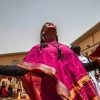
Sudan May Have Banned FGM, but the Harsh Practice Continues
Just four months ago, Sudan took the monumental step to ban female genital mutilation, a painful, unnecessary and dangerous procedure that leaves lasting scars. Generally carried out on girls before they reach puberty, genital mutilation is now punishable in Sudan by up to three years in prison and subject to a fine.
We Must Prioritize Local Solutions to Global Problems
World Humanitarian Day is the perfect time to refresh our push to localize humanitarian aid for COVID-19 and all the challenges we face. Celebrating #RealLifeHeroes!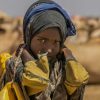
Beating Anger into Empathy: the Need of the Hour in Ethiopia
The murder of Haacaaluu Hundeessaa, an icon of the Oromo people in Ethiopia was a tragic loss for all who struggle for rights in systems that fail to accommodate them.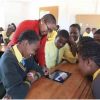
Young South Africans are Shut Out From Work: They Need a Chance to Get Digital Skills
Most young people from disadvantaged backgrounds in South Africa continue to be denied access to information and communications technology because of poor infrastructure and the digital divide.
Youth Rural-Urban Migration Hurts Malawi’s Agriculture
As households in Chiradzulu District in Southern Malawi start preparing their farms for the next maize growing season, Frederick Yohane, 24, is a busy young man.
To Stay Ahead of the Next Insect Outbreak, Harness Available Data Intelligence
Recently, the UK contributed £17 million to support the Food and Agriculture Organization of the United Nations (FAO) to continue their efforts to combat the desert locust surge in East Africa and improve early warning and forecasting systems.
COVID-19: Where to From Here For Efforts to Support Youth Economic Inclusion?
As the world marks International Youth Day on August 12, it is difficult to ignore the impact of the COVID-19 pandemic on young people - particularly on efforts towards youth economic inclusion in Africa. Meaningful and swift action is needed from African states to ensure the damage is not long-lasting.
Understanding the Benefits of local Wetland Encourages Eswatini Community to Save it
Sibonisiwe Hlanze, from Lawuba in Eswatini’s Shiselweni Region, lights up as she shows off her sleeping mat which she made from what she described as “the highest quality indigenous fibre”.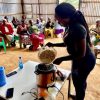
Clean Cooking Transition: Pathways as Seen by Kenyan Villagers
The Sustainable Development goals on energy speak clear: universal access energy and clean cooking by 2030 (SDG7). But the current efforts are still lagging several steps behind the specific needs of the communities and are not enough to achieve energy access for all, especially clean cooking solutions.
With Proper Investment in Youth, Kenya’s Potential for Progress Is Unlimited
Africa’s demographic boom has been hailed as its biggest promise for transforming the continent’s economic and social outcomes, but only if the right investments are made to prepare its youthful population for tomorrow’s world.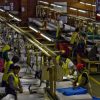
Why the African Free Trade Area Could be the Game-Changer for the Continent’s Economies
Most economists see structural transformation as one of the main routes to Africa’s sustainable development. What it means is changing the share of agriculture, manufacturing and services in an economy. It is a central aim of the African Union’s Agenda 2063.
Sierra Leone – Why Everyone is Not Celebrating the New Media Law
Last week, Sierra Leone’s parliament voted to repeal the country’s 55-year-old libel law, which criminalised the publication of information that was deemed defamatory or seditious, and which had been used by successive governments to target and imprison media practitioners and silence dissenting views. But not everyone is convinced it was in the best interest of media freedom.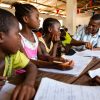
Last Mile Teachers
“It has gotten really tough for us,” says James, a father in rural Liberia, of COVID-19 lockdown and school closures. “My son is trying but he is missing his friends and teachers. Children want to be in school.”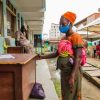
COVID-19: Smarter Response & Recovery Measures Can Help Preserve Human Rights in Africa
As COVID-19 cases continue to rise in Africa, countries are simultaneously dealing with the health and socio-economic impacts of the pandemic, and how and when to ease lockdowns and curfews imposed to stop the disease spreading and get onto the path of recovery.
How Smart Investments in Technology Can Beef up Africa’s Economy
There is no shortage of technological innovations designed to boost animal agriculture in Africa. These range from GPS tracking systems which identify and trace pastoralists’ herds to livestock vaccine SMS services that alert farmers to disease outbreaks.
As COVID-19 Cases Rise, African Countries Grapple with Safely Easing Lockdowns
Re-opening economies is a tough balancing act between keeping people safe from the virus while ensuring they can still make a living. Some four months after the first COVID-19 case in Africa was reported in Egypt, countries on the continent are beginning to ease public health and social measures, such as lockdowns and curfews, imposed to curb the spread of the pandemic.« Previous Page — Next Page »





The Week with IPS

NEXT STOP - SDGs
Tracking global progress towards a sustainable world
Tracking global progress towards a sustainable world
