Languages
Sunday, November 8, 2026



News and Views from the Global South
Africa

Poverty, Official Complicity Hampers Human Trafficking Fight in Malawi
In August, police intercepted the trafficking of 31 people to Mozambique. The victims, all Malawians, included 17 children and 6 women. Their two traffickers, also Malawians, had coerced them from their rural village in Lilongwe district with a promise of jobs in estates in neighbouring Mozambique. But they were saved in large part thanks to their own community.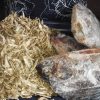
Sustainability of Zimbabwe’s Natural Food Sources take a Knock Amid Growing Economic Crisis
Sarudzai Moyo, a former teacher, has begun a new career as a fishmonger. Once a week she makes the 450km journey from Bulawayo to Binga, on the shores of Lake Kariba, where she buys between 100 and 150 kilograms of fish for resale as the demand for cheaper dietary options increase in Zimbabwe.
The Key to Peace in the Lake Chad Area Is Water, Not Military Action
Lake Chad is an extremely shallow water body in the Sahel. It was once the world’s sixth largest inland water body with an open water area of 25,000 km2 in the 1960s, it shrunk dramatically at the beginning of the 1970s and reduced to less than 2,000 km2 during the 1980s, decreasing by more than 90% its area. It is one of the largest lakes in Africa. It is an endorheic lake – meaning that it doesn’t drain towards the ocean.
The Triple Humanitarian Crisis and Why Kenya Deserves An A + in its Response
The United Nations Deputy Secretary General, Ms Amina Mohammed recently commended “Kenya’s exemplary role in its response to COVID-19 and in advancing Agenda 2030”.
Congolese ‘Kings’ of Art on Exhibition in Paris
Chéri Samba has a sly sense of humour, both in person and in his work. Standing in front of his 2018 painting “J'aime le jeu de relais” (I Love the Relays) - which criticizes politicians who cling to power instead of passing the baton - Samba is asked about the resemblance of one of his subjects to a famous statesman.
How to Make Nutritious Food Affordable for the 1 Billion Africans
One of the biggest revelations of the COVID-19 pandemic has been that people with pre-existing, diet-related conditions such as obesity, heart disease, and diabetes, are more at risk of suffering severe forms of the disease leading to a need for intensive hospitalization.
Scientists Draw up Guidelines to Help Agri-food Companies Align with 2030 Agenda
In Amuru district, 47 kilometres from Gulu town in northwestern Uganda, the Omer Farming Company has proven that it is possible to farm on thousands of acres of land using methods that conserve the environment and its biodiversity.
Africa at the Crossroads: Time to Abandon Failing Green Revolution
As COVID-19 threatens farming communities across Africa already struggling with climate change, the continent is at a crossroads. Will its people and their governments continue trying to replicate industrial farming models promoted by developed countries? Or will they move boldly into the uncertain future, embracing ecological agriculture?
Central Sahel – Shaping peace together with women and young people Statement for International Peace Day
The countries of Central Sahel—Burkina Faso, Mali, and Niger—face an unprecedented crisis, marked by violent extremism, forced displacement, and rising insecurity. The sharp increase in armed attacks on communities, health centres, schools and other public institutions and infrastructure has disrupted livelihoods and access to social services. The impact on affected people is devastating.
‘Waste is only Waste when you Waste it’ – Could Ecobricks be the Solution to Uganda’s Housing and Pollution Problem?
About 40 kilometres out of Uganda’s capital, Kampala, in the Mpigi area, you can find an entire village hill with houses that have plastic bottles walls and car tyre rooftops.
Peace is the North Star During and the Post COVID-19 Pandemic
Amid various global conflicts in the 1980s and 1990s, the International Day of Peace (IDOP) was established to commemorate the strengthening of the ideals of peace globally. Today, peace is not just the absence of conflict, but a key prerequisite for development. It is in recognition of the crucial linkages between peace, respect for human rights and sustainable development that more than 36 indicators for peace were included across the Sustainable Development Goals (SDGs).
COVID-19 Worsens Mozambique’s Hunger
Like many Mozambicans in the agricultural sector, 39-year-old Fatima Matavele, a commercial farmer in the district of Chokwe, some 213 kilometres north of the capital, Maputo, has had a tough year. Although the last few years have been hard, 2020 has proven to be the most difficult of all.
Preserving Food Security in Africa’s Urban Areas
In Torit State, southern South Sudan, Margaret Itto is one of the farmers in Africa’s youngest country who have invested heavily in agriculture. But she is not able to access the lucrative market for her produce in the capital Juba simply because of poor roads.
Hopes and Challenges for the First-Ever Food Systems Summit
Building inclusive and healthier food systems, and safeguarding the health of the planet will be some of the key priorities at the first-ever Food Systems Summit next year.

Failing Africa’s Farmers, Starving the Continent
African organizations are demanding answers after a recent report found that Alliance for a Green Revolution in Africa (AGRA) strategies have failed spectacularly to meet its goals of increasing productivity and incomes for millions of small-scale farming households by 2020 while reducing food insecurity on the continent.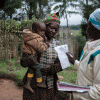
COVID-19: Lessons from the Losses
If countries considered Universal Health Coverage (UHC) a central policy in their health systems, the COVID-19 has surely demonstrated the need for its urgent and widespread roll out. The pandemic has upended world systems in a manner that no scientists or sophisticated global intelligence could have foreseen.
Mozambique Reels from Repeated Attacks on Press Freedom
While Mozambique was recently rattled by an arson attack on a local media organisation, experts say that it’s only a part of a worrying pattern of continuous attacks on the media in the country.

Nobel Laureates and Global Leaders Call for Urgent Action to Prevent COVID-19 Child Rights Disaster
Regina Njagi’s four children, aged between 11 and 17, have not benefitted from online learning since the COVID-19 led to the closure of all schools in Kenya, earlier in March. With the closure, Njagi lost her job as a teacher at a local private school.
South Sudan – COVID-19 and Ongoing Violence has Catastrophic Impact on Civilians
Large-scale intercommunal violence on civilians in the Jonglei and greater Pibor regions in South Sudan has led to the mass displacement of thousands of people who are living in the open without health care, adequate food, shelter, water or sanitation in the middle of the rainy season.
Madagascar – Jails Hold more Pre-trial Prisoners than Convicted Criminals
The recent killing of 22 prisoners in Madagascar during a prison escape on Sunday, Aug. 23 has brought the extraordinary situation of the country’s prisons under a spotlight. Human rights watchdog Amnesty International has condemned the killings, criticising the current judicial system that has led to Madagascar’s prisons holding more people awaiting trial than convicted criminals.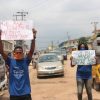
Standing Up to Myths and Misinformation in Nigeria During the Pandemic
‘An apple a day keeps the doctor away’ is a common and seemingly harmless saying. But what happens when commonly eaten foods like pepper, garlic and ginger are wrongfully said to prevent COVID-19? What can we do to fight harmful misinformation?« Previous Page — Next Page »





The Week with IPS

NEXT STOP - SDGs
Tracking global progress towards a sustainable world
Tracking global progress towards a sustainable world
