Languages
Sunday, November 8, 2026



News and Views from the Global South
Africa

Inadequate Water & Sanitation Threatens Women’s & Girls’ Development in Senegal
With Tabaski (Eid al-Adha) around the corner, 11-year-old Fatoumata Binta from Terrou Mballing district in M'Bour, western Senegal, wakes up early and joins her brothers Iphrahima Tall and Ismaila to fetch water from a river several miles from home.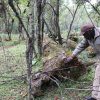
How Kenya’s Indigenous Ogiek are Using Modern Technology to Validate their Land Rights
The Ogiek community, indigenous peoples from Kenya’s Chepkitale National Reserve, are in the process of implementing a modern tool to inform and guide the conservation and management of the natural forest. The community has inhabited this area for many generations, long before Kenya was a republic. Through this process, they hope to get the government to formally recognise their customary tenure in line with the Community Land Act.
Challenging Cultural Norms and Removing Stigma is Key to Confronting Lesotho’s Rape Culture
The Covid-19 pandemic has exposed and given rise to a new, deeply concerning wave of rape culture in Lesotho. Although the true extent is not known yet, we have noticed concerning reports that the onset of the pandemic has worsened sexual violence with more women and girls being confined to small living places whilst social tensions are exacerbated.
Are Women-led Startups Key to Sustainability in Senegal?
Growing up in the Senegalese capital of Dakar, Siny Samba (28) watched with fascination as her grandmother made snacks for her family, using the fresh fruit from their garden. She would often help her grandma make these snacks to feed the neighbourhood children.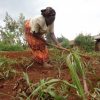
Dealing with Food Insecurity, on a Longer Term
African countries are beginning to reopen borders, and this is finally enabling many citizens to resume their normal life. However, there is still an urgent need for African countries to prioritize agriculture to tackle food insecurity issues that have been exacerbated by COVID and will continue to be an issue into the near future. According to the latest estimates by the United Nations World Food Programme, COVID-19’s compounding effects could drive 270 million people into food insecurity.
Countdown to a Bitter Battle Over the Water of the Nile?
In the 1990s, after the collapse of the USSR, the idea that water would drive the wars of the future took hold among analysts and the media. Three decades later and that grim prospect has, fortunately, not yet materialised, and international cooperation, despite its ups and downs, is the norm in the management of transboundary waters.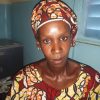
How Senegal is Providing Reproductive Health Services to those Who can Least Afford it
Pregnant with her second child, 30-year-old Ndiabou Niang was enduring pelvic pain, but couldn’t afford to access prenatal care in Diabe Salla, a village on the outskirts of the small town of Thilogne in north-east Senegal. Her husband was unemployed and her earnings of under CFAF 10,000 (17 USD) from selling seasonal fruits in the local market were insufficient to make ends meet.
Providing an Education in Favour of Senegal’s Girls
When Fatima* became pregnant in the middle of the school year and dropped out, she was disowned by her parents. Hers is a story that could have ended as another statistic of dropout rates among female learners in Senegal.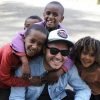
Building Back Greener in Africa
COVID-19 continues to race across the African continent. People are dying, and even more are being pushed into hunger and poverty, in many cases risking to overturn years of development gains.
Non-formal Education Helps Senegalese Women Combat FGM and Harmful Practices
Growing up in Senegal’s southern Casamence region — a conflict zone — Fatou Ndiaye, now 43, often heard gunfire and watched fearfully as she saw people flee their villages. But what she dreaded more than a flying bullet was Female Genital Mutilation (FGM).
Has COVID-19 Pushed Women in Politics off Kenya’s Agenda?
In 2013, Alice Wahome ran in her third attempt to win the hotly-contested Kandara constituency parliamentary seat in Murang’a County, Central Kenya. As is typical of rural politics, the field was male-dominated, with the stakes being high for all candidates but more especially so for Wahome — no woman had ever occupied the Kandara constituency parliamentary seat.
Beyond Ending Conflict in Africa, We Must Tackle its Root Causes
Hanna Tetteh is the United Nations Under-Secretary-General and Special Representative of the Secretary-General to the African Union. As head of the UN Office to the African Union (UNOAU), she spoke with Africa Renewal’s Kingsley Ighobor on, among other issues, the current state of the UN-AU partnership and how women and young people can help resolve conflict.
Why Accelerating Implementation of AfCFTA Must Remain a Top Priority
1 July 2020 was supposed to be the official date to start trading under the African Continental Free Trade Area (AfCFTA). It was a much-anticipated follow up to the 2019 African Union Summit, that launched the operational phase of the AfCFTA in a colorful ceremony in Niamey – Niger.
Africa’s Post-pandemic Future Needs to Embrace Youth in Agriculture
Warnings at the early stages of the COVID-19 pandemic that Africa could be hit by a wave of up to 10 million cases within six months thankfully now seem unfounded, although it is still far too early to be over-confident.
COVID-19 Pandemic Could Widen Existing Inequalities for Kenya’s Women in Business
Pauline Akwacha’s popular chain of eateries, famously known as Kakwacha Hangover Hotels and situated at the heart of Kisumu City's lakeside in Kenya, is facing its most daunting challenge yet. Akwacha and other women in business across this East African nation are bracing themselves for the post-COVID-19 economy.
Sudan’s Partners Pledge almost $2Bn but Is it Enough?
This week, when Sudan's Minister of Energy and Mining Adil Ibrahim addressed the country, stating that households will face power-cuts for up to seven hours a day, people had already been sitting on plastic chairs outside their homes, scouring the internet to purchase battery-operated fans. This Northeast African nation has seen temperature highs of up to 41 degrees Celsius recently.
African Governments Failing Survivors of Child Sexual Exploitation
In Malawi, Mary* was only 14 years old when she was recruited and trafficked to the city of Blantyre and sold for sex in a bar. A man had arrived in her village looking for girls to work as domestic helpers for families.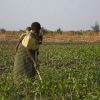
The Critical Role of Women in Avoiding a Covid-19 “Food Pandemic” in sub-Saharan Africa
As infections with Covid-19 appear to be intensifying in sub-Saharan Africa (SSA), fears of severe food shortages have prompted experts to warn that the region may be “on the brink of a hunger pandemic.” Efforts are intensifying to rally a major global response.
Senegalese Women’s Participation in Energy Sector equals Empowerment
Aïssata Ba, 45-year-old widow and mother of seven children, has been practising market gardening for the past 30 years in Lompoul Sur Mer village in the Niayes area of north-west Senegal. For many women in the village, endowed with fertile soil and favourable climate, it is the primary source of income throughout the year.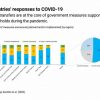
You’ve Got Money: Mobile Payments Help People During the Pandemic
The practical challenge of quickly getting financial support in the hands of people who lost jobs amid the COVID-19 economic crisis has baffled advanced and developing economies alike. Economic lockdowns, physical distancing measures, patchy social protection systems and, especially for low-income countries, the high level of informality, complicate the task. Many governments are leveraging mobile technology to help their citizens.
Sudan, Where Illegal Abortions remain Dangerous and Deadly
Omnia Nabil*, a Sudanese doctor, who worked in one of the largest hospitals in Khartoum, the country’s capital, was devastated to witness the deaths of 50 young women who had unsafe abortions during a space of just three months.« Previous Page — Next Page »





The Week with IPS

NEXT STOP - SDGs
Tracking global progress towards a sustainable world
Tracking global progress towards a sustainable world
