Languages
Sunday, November 8, 2026



News and Views from the Global South
Africa
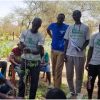
Senegal Farmer Succeeds with Regenerative Agriculture & Begins Teaching Others
Souylemane Samb sits under a crowded tent on a hot Senegalese day. He wears a canvas vest with Trees for the Future printed across the back.
Climate-Smart Agriculture means More Time for Eswatini Women Farmers
Aside from the seven hours Mantfombi Msibi (63) would spend daily during the Eswatini farming season planting, applying herbicides and weeding her 1.2-hectare maize field, she would also spend E1 750 ($125) on tractor services. It was a huge cost of both time and money. But this season, Msibi will be benefiting from climate-smart farming technology that has opened up a new world of farming to her, saving her time in the process.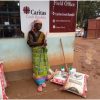
Biofortified Crop Project Reaches Refugees in Zambia
The Mutwales farm a small plot of land in the camp, growing primarily cassava and maize for food. They are also one of the 105 refugee farming families participating in an initiative during the 2019/2020 growing season to help them cultivate nutritious, vitamin A-biofortified orange maize, which was developed by the International Maize and Wheat Improvement Center (CIMMYT) in partnership with HarvestPlus.
Child Death Grief a Public Health Threat
Grief over the loss of a child poses a threat to public health in Sub-Saharan Africa, as nearly two-thirds of mothers in some countries suffer the death of at least one child, a study has found.
Tanzania Investigative Journalist Pays Heavily for Freedom
After six months in prison, Tanzanian investigative journalist Erick Kabendera has finally been released at a cost of $118,000.
Ugandan Farmer Ends Food Insecurity for Family & Community
In Aboke, Uganda, a modest restaurant serves locals breakfast, lunch and dinner. Carol Agoa isn’t just the owner and cook, she also supplies all of the food for her restaurant.
Zimbabwe’s Thin Line between Child Smuggling and Child Trafficking
Elton Ndumiso*, a bus-conductor who works the route from Zimbabwe’s capital, Harare, to neighbouring South Africa, sees it all the time: Zimbabwean women travelling with three or four children, who are clearly not their own kids, and taking them across the border.It’s a crime that most bus drivers or conductors either turn a blind eye to, or become accomplices in by assisting the women.

U.S. President’s Global Gag Rule is Having Negative Impact on the Health of Malawians: Report
A report released last week has detailed the complex ways in which President Donald Trump’s ‘Global Gag Rule’ (GGR), that blocks U.S. global health assistance to foreign non-governmental facilities providing abortion or abortion-related services, is affecting the population in Malawi, a country already hard hit with numerous climate change disasters.
How Nigeria’s Police used Telecom Surveillance to Lure & Arrest Journalists
As reporters for Nigeria’s Premium Times newspaper, Samuel Ogundipe and Azeezat Adedigba told CPJ they spoke often over the phone. They had no idea that their regular conversations about work and their personal lives were creating a record of their friendship.
Will Zimbabwe Allow Freedom of Airwaves and Freedom of Speech too?
Zimbabwe is making fresh commitments to open up its airwaves with government promising to issue licences to private television and community radio stations before the end of the year.
Why Trade in Services Matters for Development and Inclusiveness in Africa
The rise of the services economy around the world represents a profound transformation that offers significant opportunities for countries' sustainable development strategies.
From Cocoa to Chocolate, Made With Love in Africa
A premium chocolate maker in São Tomé and Príncipe is on a drive to promote the taste for "made in Africa" chocolate, and tap into a $100 billion global indulgence associated with Valentine’s Day.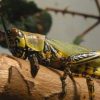
Desert Locusts Invade East Africa
Widespread hatching and movement of destructive desert locusts will turn into a full-blown crisis in the coming weeks in East Africa and neighbouring countries, the UN Food and Agriculture Organization warns.
Q&A: Africa Must Innovate its Food Systems in Order to Beat Hunger and Poverty
Africa needs to invest in agriculture by putting more resources into innovative research and development that can boost food and nutritional security, according to leading scientist, Nteranya Sanginga.
Could Africa’s Marketplace Platforms Help Upskill a Generation for the Digital Age?
By 2030, sub-Saharan Africa will be home to more than a quarter of the world’s population under 25. Between 15 and 20 million young people will enter the African workforce each year, joining the ranks of the millions of currently under- and unemployed people searching for better livelihoods.
Vegetables Rot in Food Markets across Zimbabwe While Half the Population Faces Food Insecurity
Piles and piles of rotting vegetables at food markets situated right in Zimbabwe's central business district would elsewhere be viewed as a sign of plenty. But this Southern African nation has not been spared the irony of food wastage at a time of food shortages.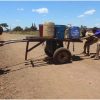
A Humanitarian Response to the Crisis in Zimbabwe
In November 2019, the UN’s Special Rapporteur on the Right to Food described Zimbabwe – a country once hailed as the bread basket of Africa – as a state on the brink of man-made starvation.
Africa Must Prioritise Upskilling its Unemployed Youth, Development Bank Urges
Africa’s inability to produce adequate skills is negatively impacting its economic growth.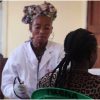
Women & Girls Up Front — the Humanitarian Response in Democratic Republic of Congo
Eleven-year-old “Anne” went to a health facility with her mother in the conflict-affected province of Ituri, in northeastern Democratic Republic of the Congo. At first, she could barely tell her story.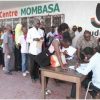
Digital Civil Registration Can Reduce the Number of ‘Invisible’ People and Bring Kenya Closer to the SDGs
A recent opinion piece in the New York Times titled, “Kenya’s New Digital IDs May Exclude Millions of Minorities” raises an issue that the UN is passionate about: that the pursuit of sustainable development should leave no one behind.
Inclusive Education Still Evades People with Disabilities
Neema Namdamu, 42, grew up in the village of Bukavu in eastern Democratic Republic of Congo where children with disabilities were considered a curse. As a child Namdamu contracted polio, leaving her paralysed from the waist down. Her neighbours advised her mother to do what they felt was the "right thing": to leave the child alone in a hut until she died of starvation.« Previous Page — Next Page »





The Week with IPS

NEXT STOP - SDGs
Tracking global progress towards a sustainable world
Tracking global progress towards a sustainable world
