Languages
Sunday, November 8, 2026



News and Views from the Global South
Africa

Kenya Leapfrogging on 4 SDGS- Building Bridges Between Silicon Savannah and Silicon Valley
One year ago, the UN began implementing reforms meant to make it more effective in delivering on sustainable development. Now, with the start of 2020, the global body has declared this as the "decade of action" to turn the ambitious Sustainable Development Goals (SDGs) into a living reality for all humanity. But what does this look like, on the ground?
**UPDATE** African Nations Caught in Conflict Re-commit to Inclusive Education
Djibouti’s President Ismail Omar Guelleh knows that his country is in need of an education system that is, “innovative, based on universal principles and values and adaptive of the local realities”.
Balanced and Gender-Inclusive Education is a Smart Investment
Fihima Mohamed’s mother never attended school and until two years ago she could not read or write. Mohamed’s mother had been born in neighbouring Somalia but was sent to Djibouti as a young girl to live with her aunt. The expectation had been that she would have a better life by escaping the ongoing conflict in her home country at the time.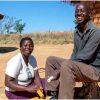
Biofortified Crops Improve Farmers’ Livelihoods in Zimbabwe
Steven Seremwe, who is 57 years old, was retrenched from his job as an administrator at Lake Shore Missions in 2012. He decided to focus on farming, and he started growing various crops—white maize, sugar beans, and sweet potatoes, among others—for consumption and sale.
Bridging Africa’s Great Gender-Financing Divide
What stands between Soi Cate Chelang and her dream of turning her small pallet-making business into a major enterprise is capital.
Ending Bullying and Humiliation over Menstruation as Girls and Boys in Conservative Eswatini are Educated about Reproductive Health
When 14-year-old Nomcebo Mkhaliphi first noticed the blood discharged from her vagina, she was shocked. Confused, she turned to her older sisters for advice. “My sisters told me that they were experiencing the same every month and that they used fabric, toilet paper and newspapers as sanitary wear,” recalls the now 45-year-old Mkhaliphi. She had to follow suit and use these materials because she had no money to buy sanitary pads.
Genuine Reform Culture Lacking in Zimbabwe
Zimbabwe needs urgent economic and political reforms to transform its economy amidst a growing national crisis, researchers say in a new study that urges swift policy changes and a sound financial framework to attract investment.
Climate Change: A Tale of Weather Extremes with Mixed Fortunes for Zambia
It is early Saturday morning and Planeta Hatuleke, a small scale farmer of Pemba District in Southern Zambia, awakens to the comforting sound of rainfall. As the locals say, the “heavens have opened” and it is raining heavily after a prolonged dry spell.
In Dealing With Climate Change: Foresight is Key
United Nations World Food Program recently released 2020 Global Hotspots Report. According to the report, millions of citizens from Sub-Saharan African countries will face hunger in the first half of 2020 for several reasons including conflict, political instability and climate-related events such as below-average rainfall and flooding.
U.S. Might Pull Troops from West Africa, but Who Will it Affect?
While the United States is busy with foreign operations such as killing Qasem Soleimani, a key figure in Middle East Politics, behind the scenes it is reportedly considering a change that experts worry might be of grave concern: a potential withdrawal of troops from West Africa.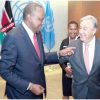
The United Nations Reforms-From Ideas to Actions
One of the highlight activities as the United Nations commemorates its 75th anniversary this year will be the launch of an “annual temperature check” on Sustainable Development Goals (SDGs), progress. With only ten years left to the final whistle for the Goals, this activity that will take place each September will provide a snapshot of what’s working, and where countries need more action.
India and Japan’s MPs Act Quickly to Implement Sexual and Reproductive Health Plans after ICPD25
Parliamentarians from India and Japan have hit the ground running by acting soon after the recent Nairobi Summit on International Conference on Population Development (ICPD25).
Does Africa’s Food Future Really Lie with Young Farmers?
Africa will starve or survive on expensive food imports because it is not growing new farmers, research shows. And the challenge remains among researchers, policy makers, public and private sector actors to get African youth interested in agriculture on a continent where a growing number of people go to bed hungry every night.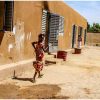
‘Unprecedented Terrorist Violence’ in West Africa, Sahel Region
The top UN official in West Africa and the Sahel updated the Security Council on Wednesday, describing an “unprecedented" rise in terrorist violence across the region.
2020 Is the Decade of Action & It Has to Be a Sprint
Happy New Year, Kenya. 2020 marks a decade of action towards the realization of the Sustainable Development Goals by 2030. Peace and development are inextricably linked, with each making the achievement of the other far more likely. This puts the conflict-prevention and development work of the UN at the heart of the agenda in East Africa, but in a multi-agency and programme environment, making meaningful progress is challenging.
Madrid Talks End Without Agreement on How to Finance Recovery from Climate-Related Atrocities
Millions of people, particularly in Africa, who lose their property, homes, and even die due to climate-related disasters will have to wait at least another year for the international community to agree on a means of supporting them.
How to Recognise Nigeria’s Trafficked Kids
 What is human trafficking and child trafficking? IPS correspondent Tobore Ovuorie takes to the streets of Lagos to find out what Nigerians know about this crime. The answer was, surprisingly, very little. Ovuorie also speaks to experts about how to identify kids who have been trafficked and what ordinary citizens can do about it.
African Development Bank joins forces with international organisations to help developing countries build resilience to extreme weather
The African Development Bank has joined forces with 11 other international organizations to assist developing countries to build resilience against the impact of natural disasters caused by extreme weather.
How Climate Change is Fuelling Insurgency of Nigeria’s Militant Boko Haram

Experts say climate change is a key factor fuelling the insurgency of the armed group Boko Haram. The insurgency, which is aimed at creating an Islamic State in North East Nigeria, is responsible for one of the worst humanitarian crisis in the world.
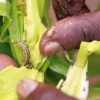
Coordinated Global Action Is the Best Way to Control the Fall Armyworm Pest
Dealing with transboundary pests is tricky at the best of times. Standards, practices, capacity levels and engagement vary across countries and regions, and responses are often ad hoc and ineffective. However, matters become even more complex when the pest in question flies over borders, threatens the food security and livelihoods of millions, and causes severe environmental and economic damage along the way. Fall Armyworm is such a pest.
Why Africa is Seeking Special Considerations on Climate Finance
As the 25th session of climate negotiations draw to an end this week, the African Group of Negotiators (AGN) have been calling on the world to consider the continent as a special case in terms of implementation of the Paris Agreement and climate finance.« Previous Page — Next Page »





The Week with IPS

NEXT STOP - SDGs
Tracking global progress towards a sustainable world
Tracking global progress towards a sustainable world
