Languages
Monday, September 28, 2026



News and Views from the Global South
Africa
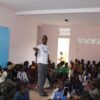
Maison des Talibés Confronts Abuse of ‘Talibé’ children in Senegal
When you walk through the streets of Senegal’s cities, you notice them almost immediately: young boys in worn clothes, clutching plastic cans or tin bowls, weaving between cars and pedestrians to ask for spare change or food. They are often barefoot, alone and hungry. These children are known as talibés.
Why Ugandan Male Sexual Violence Survivors Suffer In Silence
When people ordinarily think about sexual violence, it's of the rape of women by men. In Uganda, as in other countries, activists say men are also victims of sexual violence perpetrated by women, though males remain silent.
As Biodiversity Loss Grows, Rome Talks Urge Nations to Step Up Action
Governments meeting in Rome last week acknowledged that global efforts to protect nature are still not moving fast enough, even as biodiversity loss continues to affect ecosystems, livelihoods, and economies worldwide.
Why Ending Child Marriage is Key to Advancing Africa’s Economic Development
Africa is home to approximately 160 million adolescent girls aged 10 to 19 (according to 2022 data by the United Nations Population Division). They embody the energy, creativity, and potential of the continent. It is undeniable that The Africa We Want, as envisioned in the African Union’s Agenda 2063, will not be realized without the full participation of this group which represents a key component of the continent’s current and future workforce.
‘Worrying’ War on Drugs Rhetoric Comes with Human, Financial Costs
Drug reform campaigners have called for an overhaul of global drug controls amid an increasingly complex and deadly drug situation in the world and as hardline anti-drug approaches are increasingly being used as cover for repression of civil society and human rights defenders.
Turning the Tide: How West Africa Is Reasserting Its Food Sovereignty Through Aquaculture
It is an indictment on the global food system that, despite having some of the richest and most endowed natural resources in the world and a burgeoning youth population, West Africa spends more than $2 billion a year importing aquatic foods to feed its people, almost half of which is spent by Côte d’Ivoire alone.
Extreme Heat Undermines Decent Work in North Eastern Kenya
By 9 a.m. on a Wednesday, Hawa Hussein Farah is already watching the temperature climb. Awake since 6 a.m., she has prepared her three children for school before walking them to class and heading to Suuq Mugdi, an open-air market in Garissa town, to buy the fruit she will sell.
Africa at the Epicenter of Child Labour Crisis as Migration Fuels Exploitation
Although global rates of child labour have declined since 2020, the practice remains a serious and persistent violation of children’s rights, undermining their safety, social development, and long-term economic stability. These risks are intensified by structural pressures— poverty, climate shocks, protracted conflict, and unsafe migration— that continue to push vulnerable children into crisis, and in some cases, trafficking and exploitation. The United Nations Children’s Fund (UNICEF) warns that African countries remain among the most affected regions, underscoring the urgent need for coordinated policy action, cross-border cooperation, and sustained investment to protect children on the move and those at risk of labour exploitation.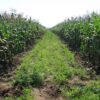
Africa’s Food Systems Will Not Transform Without Parliamentary Accountability
Africa has never lacked agricultural strategies. Since the launch of the Comprehensive Africa Agriculture Development Programme (CAADP) in 2003, governments have pledged repeatedly to spend at least 10 per cent of public budgets on agriculture and to raise productivity through better investment and coordination. The African Union reaffirmed this target in subsequent declarations, such as Malabo in 2014 and the Kampala CAADP Strategy (2026-2035).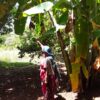
Bridging the Capital Gap: Strategic Public-Private Partnerships Invest in Young Agri-entrepreneurs
The global aid system is crumbling amidst chronic underinvestment in rural areas, posing a systemic threat to food systems everywhere. With 1.3 billion young people in the world today – the largest generation in history, and nearly half of them living in rural areas – investing in their entrepreneurial potential is key.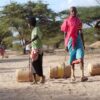
When Drought Steals Childhood: How Climate Shocks in Northern Kenya Are Testing the SDGs
Every morning before sunrise, 10-year-old Amina Adan walks away from school and toward a shrinking water pan on the outskirts of Rhamu, Mandera County. By the time her classmates would be opening exercise books, Amina was already balancing a yellow jerrycan almost half her size.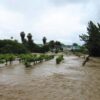
Floods and Food Security: The Hidden Cost to Crops and Soil
South Africa, Mozambique, and Zimbabwe are currently experiencing severe flooding. According to the World Health Organization, 1.3 million people have been affected. In addition, hundreds of people have died , infrastructure has been destroyed, access to health services has been disrupted, and the risks of water- and mosquito-borne diseases are rising.
Protecting Africa’s Ocean Future and Why a Precautionary Pause on Deep-sea Mining Matters
The world is entering a decisive period for the future of the ocean. With the High Seas Treaty coming into force and meaningful progress being made on the World Trade Organization Agreement on Fisheries Subsidies, global momentum for stronger marine governance is building. Yet, new pressures linked to the push for deep-sea mining — the extraction of minerals from seabed thousands of meters below the ocean surface — threaten to undermine these gains. To safeguard progress, global decision-making will have to keep pace with such emerging risks. In this context, Africa will host several global discussions in 2026, including those that will shape the ocean's future, with a series of opportunities for leadership starting with the African Union Summit in February to the Our Ocean Conference in Mombasa, Kenya in June.
Support Science in Halting Global Biodiversity Crisis—King Charles
British Monarch King Charles says science is the solution to protecting nature and halting global biodiversity loss, which is threatening humanity’s survival.
To Develop a Continent, Africa Must Nourish Its Children
Hunger shadowed Mercy Lung’aho’s childhood, fueling her campaign to promote nutrition as a foundation for Africa’s development.
Gambia’s Supreme Court to Decide on FGM Ban
Gambia's Supreme Court is considering whether a law protecting women and girls from female genital mutilation (FGM) is constitutional. The practice, common in Gambia, often involves forcibly restraining girls while parts of their genitals are cut, sometimes with the wound sewn shut.
Uganda: Democracy in Name Only
When Ugandans went to the polls on 15 January, the outcome was never in doubt. As voting began, mobile internet services ground to a halt, ensuring minimal scrutiny as President Yoweri Museveni secured his seventh consecutive term. Far from offering democratic choice, the vote reinforced one of Africa’s longest-running presidencies, providing a veneer of democratic legitimacy while stifling competition.
Moving Towards Agroecological Food Systems in Southern Africa
In a quiet village known as Nkhondola, in Chongwe District, Eastern Zambia, Royd Michelo and his wife, Adasila Kanyanga, have transformed their five-acre piece of land into a self-sustaining agroecological landscape. With healthy soils built over time, the farm teems with diverse food crops, fruit trees, livestock and birds, nourishing their family and the surrounding community.
Beyond Shifting Power: Rethinking Localisation Across the Humanitarian Sector
For the last decade, many in the foreign aid sector have emphasised the need for localisation, and in the last 5 years, the calls have been louder than ever. I am one of such voices.
Big Nature-Based Finance Turnaround Needed to Restore, Protect Ecosystems
The world is pouring trillions of dollars each year into activities that destroy nature while investing only a fraction of that amount in protecting and restoring the ecosystems on which economies depend, according to a new United Nations report released on January 22.
Thousands of Kenya’s Smallholder Coffee Farmers Risk Losing EU Market as Deforestation Law Takes Effect
For the last twenty years, Sarah Nyaga, a smallholder farmer from Embu County in central Kenya, has farmed coffee. Like most across Kenya, she relies on the export market. A greater percentage of Kenya’s coffee ends up within the European Union market, but a new law threatens to disrupt what has been a source of income for thousands of farmers like Nyaga.« Previous Page — Next Page »


The Week with IPS

NEXT STOP - SDGs
Tracking global progress towards a sustainable world
Tracking global progress towards a sustainable world
