Languages
Sunday, November 8, 2026



News and Views from the Global South
Global

Why We Need Trees to End to Poverty – Landmark Report
With extreme poverty (living on $1.90 a day) projected to rise for the first time in over 20 years, a new study has concluded that global poverty eradication efforts could be futile in the absence of forests and trees.
Global Poverty Soars– As Incomes of World’s Billionaires Hit New Highs
The phenomenal rise in extreme poverty -– for the first time in 20 years -- has been accompanied by an upsurge in the incomes of the world’s billionaires and the super-rich.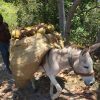
Working Animals’ Role in SDGs and Addressing Climate Change, Pandemic Crises
As we prepare to celebrate the 75th anniversary of the Food and Agriculture Organization of the United Nations (FAO), it is time to recognise the role of working animals in livelihood systems, addressing climate change and in human health, which has been overlooked for too long. The Working Animal Alliance seeks to change this.
Improving People’s Lives with Digital Technology during COVID-19
Digital technology has been crucial in ensuring community and connection during the coronavirus pandemic and subsequent lockdowns. And its shown that collaboration between the private and public sector can ensure that digital technology continues to advance in a way that improves people’s lives under crises, experts said on Tuesday, Oct. 13.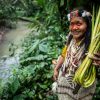
Indigenous Peoples & Local Communities Offer Best Hope for Our Planetary Emergency
Indigenous peoples and local communities offer the best hope for solutions to our planetary emergency. These solutions are grounded in traditional, time-tested practices and knowledge.
Milton Friedman Versus Stakeholder Capitalism
Milton Friedman was arguably the most influential economist of the second half of the 20th century, associated with promoting ‘neo-liberal’, free-market, shareholder capitalism. Friedman’s monetarist economics is now widely considered irrelevant, if not wrong, especially with the low inflation associated with ‘unconventional’ monetary policies following the 2008-2009 global financial crisis.
Q&A: Women in Mali Play Critical Role in Preventing and Resolving Conflicts
The coronavirus pandemic has affected the safety and sense of community for many women in Mali given the travel restrictions and lockdowns in place, Bassirou Gaye, an assistant researcher for a 2019 report on the role of Mali women in peacekeeping, told IPS this weekend.

COVID’s Impact in Real Time: Finding Balance Amid the Crisis
One enduring lesson from the COVID-19 pandemic is that any lasting economic recovery will depend on resolving the health crisis.
Scaling Up SDG4 in Crises
Out of global crises spring opportunities for change. In crisis, change is not an option. It is a necessity. And, as Plato famously noted: “Necessity is the mother of invention.” Education Cannot Wait (ECW) is an invention that sprang out of crisis and was borne of necessity.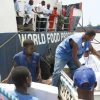
Nobel Peace Prize to World Food Programme Delivering Life-Saving Sustenance to Millions Worldwide
With the 2020 Nobel Peace Prize bestowed on the Rome-based World Food Programme (WFP), the United Nations and its affiliated agencies continue to hold a monopoly of one of the world’s most prestigious annual awards.
Does COVID-19 Imply an End to the Epoch of Science?
Around the 16th century there was a radical shift in the way humans perceived nature. New thinking in physics, chemistry, biology and mathematics heralded a deeper understanding of the world around us. Between the 17th and 18th century this new thinking had resulted in spate of technological inventions such as the steam engine, railways, electricity and the telephone.
Mayors Explore how COVID-19 Pandemic will Redefine Urban Cities
The coronavirus pandemic has the potential to bring about positive changes for cities, and give leaders the opportunity to make long-term, transformative changes as a result, according to renowned architect Norman Foster, who was speaking at the first ever Forum of Mayors 2020.
The Wreckage Of Trump’s Presidency*
Like many Americans, I have been observing Trump’s rise to power with some perplexity, often asking myself how and why a man of his character became the President of the United States, which is viewed as the most powerful political office in the world.
Can Colonialism be Reversed? The UN’s Declaration on the Rights of Indigenous Peoples Provides Some Answers
Can a state built upon the “taking of another people’s lands, lives and power” ever really be just? Colonialism can’t be reversed, so at a simple level the answer is no.
With Armed Groups on the Rise, Youth Engagement is More Important than Ever
As governments worldwide struggle to contain COVID-19, recent reports suggesting armed groups like Islamic State are resurging offer a sobering account of the many challenges that the global community now faces.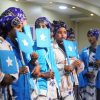
World Peace is Not Only Possible But Inevitable
COVID-19 has shifted our world. Over the last six months, no matter where we live, our lives, assumptions, and relationships have changed. Now, more than ever, we have witnessed people from all backgrounds and all ages rise to assist each other.
Stop Blaming Industrial Policy
Industrial policy – or the promotion of particular investments, technologies, industries, regions and enterprises – has been practiced by a variety of governments to try to accelerate economic growth and transformation.
Will COVID-19 Change the Global Balance of Power?
Lockdowns, social distancing, face-masks and other restrictions on personal and social behaviour have helped slow the progress of the COVID-19 virus. Enough to allow health systems to start catching their breath, for doctors to work out treatment protocols, and for work to start on a vaccine. There is now a need to take stock of the many other impacts the pandemic is likely to have, particularly at the economic and political level.
Teachers Shoulder the Burden: Improving Support in Crisis Contexts
Teachers are at the heart of children and young peoples’ educational experiences. Teachers play multiple roles in their students’ lives by supporting their learning, providing them with inclusive and safe environments to grow and develop, and helping them become more confident as they make their way in the world. As we commemorate World Teachers’ Day on Monday, 5 October and its theme--Teachers: Leading in Crisis, Reimagining the Future--we must recognize the inspiring and transformative role that teachers working in armed conflicts, forced displacement, climate change induced disasters and protracted crises play in their students’ lives.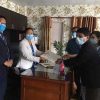
Nepal Moves Against Acid Attacks on Women
After a prolonged lobbying campaign, the Government of Nepal recently took some important actions against perpetrators of acid attacks while offering better provisions to support the process of rehabilitation of their victims.
Covid-19 Deaths: 1 Million and Surging
Covid-19 deaths worldwide have surpassed 1 million. With new cases of coronavirus infections rapidly mounting again, the numbers of Covid-19 deaths are feared to surge in the coming months.« Previous Page — Next Page »





The Week with IPS

NEXT STOP - SDGs
Tracking global progress towards a sustainable world
Tracking global progress towards a sustainable world
