Languages
Tuesday, October 27, 2026



News and Views from the Global South
North America

Washington State Becomes Latest GMO Battleground
The northwestern state of Washington could become the first in the U.S. to require labeling of genetically modified organisms (GMOs) on foods and food packages, after a similar measure in California failed last year.
Struggling U.S. Families Threatened by Food Stamp Cuts
Near the Martin Luther King Jr. Library in downtown Washington, just a few blocks away from the federal district, dozens of homeless men and women wait for the evening shuttles that will take them to their dinners at one of many food shelters around the city.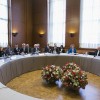
Israel and the Gulf Increasingly Nervous Over Iran-U.S. Détente
As hopeful, albeit vague, statements about talks in Geneva between Iran and the great powers continued to issue from the Swiss city Tuesday, foes of détente between Washington and Tehran maintained their own high tempo of work.
U.S. Science Reporters Becoming an Endangered Species
The news for environmental journalism in the United States is grim and getting grimmer.
U.S. Govt Shutdown Dashes Immigrant Dreams
Early on the morning of Oct. 1, Tapia* left her home in Sunset Park, Brooklyn, took the subway into Manhattan and headed to the federal courthouse on Varick Street.U.S. Accused of Unprecedented Assault on Press Freedom
Press freedom advocates here charge that the administration of President Barack Obama is engaged in a war on “leaks” of secret information that is without parallel in this country.
U.S. Suspends More Military Aid to Egypt, Arousing Scepticism
The administration of President Barack Obama announced Wednesday it was freezing hundreds of millions of dollars in aid to the Egyptian military pending "credible progress" toward a return to democratic rule.
Texas, Pharmacies Clash over Execution Drugs
Authorities in the southern state of Texas are refusing to return lethal injection drugs purchased from two compounding pharmacies, despite calls from the firms not to use their substances for executions.
Neoconservatives Despair Over U.S.-Iran Diplomacy
A week that began with a blistering denunciation by Israeli Prime Minister Binyamin Netanyahu of Iranian duplicity ended with diminished prospects for Israel to take direct action to address Iran's nuclear capabilities.
Amid Shutdown, Cutting Through the “Noise of Democracy”
Frustration is mounting with elected representatives here on the fourth day of a U.S. government shutdown that has left nearly 800,000 federal workers temporarily out of work, and advocates across the political spectrum are working to get their voices heard.Foreign Policy Elite Frets over Washington Shutdown
Three days into the partial shutdown of the federal government, foreign policy mavens are voicing growing concern about the closure’s impact on U.S. credibility overseas.U.S. Government Shutdown Could Hit Foreign Aid
A deadlocked U.S. Congress proved unable to settle budgetary differences late Monday evening, leading to a federal government shutdown that could soon be felt by foreign aid programmes and their recipients.BOOKS: Americana, a Filipino Story
One of the fastest-growing Asian immigrant groups in the United States, Filipinos are perceived as the most likely to assimilate with ease. That is, of course, if you’re looking from the outside in.
Push for Transparency in U.S.-Mexico Drilling Agreement
As lawmakers here prepare to take up legislation that would green-light a U.S.-Mexico agreement on oil-and-gas drilling in the Gulf of Mexico, development and rights groups are urging them to reject a proposal that would exempt involved companies from new disclosure requirements.
U.S. Projects 17-Percent Emissions Cut by 2020
The United States has formally told the United Nations that it is on track to reduce its greenhouse gas emissions by 17-percent by the end of the decade, assuming that currently proposed regulations are implemented.
Robin Hood Activists Take Aim at Wall Street
Five years after the 2008 world financial crisis and two years after the Occupy movement it triggered, U.S. critics of the financial sector are coalescing around the idea of a Robin Hood Tax on financial transactions.Hard Times for Iran Hawks
Just three weeks ago, Washington’s hawks, particularly of the pro-Israel neo-conservative variety, were flying high, suddenly filled with hope.
U.S. Proposes Landmark Cap on CO2 from Power Plants
Regulators here have taken the first major step of President Barack Obama’s second term to scale back U.S. carbon emissions, proposing first-ever rules to dramatically reduce allowable greenhouse gas pollution for future power plants.
Syria Diplomacy Helps Shuffle Global Order
When U.S. President Barack Obama tried to drum up momentum for airstrikes in Syria to punish and deter the use of chemical weapons, he failed to gain much of a following.
U.S. to Require Disclosure of Worker-to-CEO Pay Gap
Regulators here are proposing that most U.S. corporations be required to provide annual public reporting on how the pay received by their chief executive compares to that of their average workers, a requirement proponents say could be a first step in reining in an unprecedented swelling in executive compensation.
“The Oil Is Ours” – But Its Secrets Are the NSA’s
Reported U.S. spying on Brazil’s Petrobras oil firm revived the controversy over opening up the company, a symbol of Brazilian sovereignty since the 1950s, to foreign investment.« Previous Page — Next Page »





The Week with IPS

NEXT STOP - SDGs
Tracking global progress towards a sustainable world
Tracking global progress towards a sustainable world
