
Saturday, October 3, 2026



News and Views from the Global South
Africa: Women from P♂lls to P♀lls
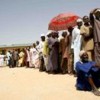
POLITICS-NIGERIA: In the Shadows of Men: Women’s Political Marginalisation
Ten years after Nigeria returned to civil rule women still play second fiddle in the male-dominated politics of Africa’s most populous nation, women politicians and activists say.DEVELOPMENT-CAMEROON: Are Women the Magic Bullet for “Electoral Apathy”?
A support network for women's political participation, is challenging head-on what it calls "electoral apathy", after noting a growing trend in electoral abstention.
INTERNATIONAL WOMEN’S DAY: ‘We Will Demonstrate, As They Celebrate’
‘Equal rights; equal opportunities’ may be the theme for this year’s International Women’s Day, but while women around the world celebrate, a group of Ugandan women are protesting against the suppression of their rights.
POLITICS-MAURITIUS: Plea for More Female Candidates
Sandhya Boygah considers herself a victim of male-dominated politics. In 2007, she was asked by her party, the ruling Labour Party, to step aside and allow a man to stand for the elected post she sought.POLITICS-TOGO: First Female Presidential Candidate
Brigitte Kafui Adjamagbo-Johnson, head of the opposition Democratic Convention of African Peoples party, is Togo's first female presidential candidate. But she has withdrawn from the electoral process.POLITICS-SUDAN: Security Essential to Ensure Peaceful Elections
Peace in Sudan remains an uncertainty ahead of the country’s first general elections in 24 years, according to the African Union Commission chief.ZAMBIA: Scarcely Room for Women in Male-dominated Politics
Charity Mwansa, a former minister and member of parliament, knows just exactly what being one of the very few female politicians in Zambia means. When she left politics it had nothing to with not being able to do the work and instead had everything to do with the mad world of male-dominated politics.COTE D’IVOIRE: Independent Candidate Pledges Reconciliation
Presidential elections in Côte d'Ivoire, scheduled for Nov. 29, were postponed until February or March 2010. Among the candidates who will try to take advantage of some additional time to campaign will be the sole independent candidate, Jacqueline Oble.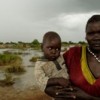
SOUTH SUDAN: A More Gender Representative Leadership
As the general elections scheduled for April 2010 draw nearer in Africa’s largest country ravaged by a long drawn war, the scramble for political positions is rife as women struggle to make their presence felt.
ZAMBIA: Let our Chiefs Govern
The Litunga of Barotseland, King of the Lozi, has no judicial or legislative authority. No supervisory control over government projects, and worst of all he cannot stand for elected office. Yet successive Zambian presidents have deferred to him.UGANDA: Political Parties Fail to Declare Funding
The Electoral Commission of Uganda says if they tightened the noose around parties which fail to declare election funding, all of them would probably be deregistered.
ZAMBIA: Violence Threatens Polls
Prisca Musonda is an ardent supporter of Patriotic Front leader Michael Sata and his party. She has travelled with him to most parliamentary constituencies campaigning in elections.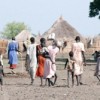
SOUTH SUDAN: Making of a Nation still Holding on to the Past
The five children of Mary Muwombi have grown up in the war of south Sudan. It was a harsh existence - living on the brink of death and eating whatever they could find just to survive.
SIERRA LEONE: Woman Breaking Traditional Walls in Chieftaincy Elections
A war is raging in the eastern part of the country, once the centre stage for battles during the 10-year civil war and the place where "blood diamonds" were once mined. But this time the war is not for diamonds, but about whether a woman has the right to stand for paramount chief in the local chieftaincy election.POLITICS-AFRICA: Seeking a Democratic South Sudan
The atmosphere is heavily charged with political tensions, alliances are already in the offing, expectations are high and the pressure for the country to achieve a successful transition from an interim government to a democratically elected one is immense.ETHIOPIA: New Election Code Sparks Furore
Opposition parties are troubled by what they say is government’s strategy to keep them out of the general elections in May 2010.
POLITICS-NAMIBIA: SWAPO Wins
The ruling South West Africa People's Organisation party (SWAPO) has won legislative elections in Namibia, with voters also giving incumbent President Hifikepunye Pohamba a second five-year term in office.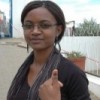
POLITICS-NAMIBIA: Born Frees Make their Mark
"It was like writing my first exam. I was nervous and didn’t want to make a mistake. I must have checked the ballot 10 times."
NAMIBIA: Waiting at the Polls
The Electoral Commission of Namibia (ECN) has again suspended the observer status of a human rights watchdog it accuses of lying about mistakes on the voter’s roll.
POLITICS-NAMIBIA: SWAPO’s Dominance Challenged
"Man RDP!" sighs Martha Hamukoto, sitting on the steps of a Windhoek office block. She is lamenting the breakaway faction, the Rally for Democracy and Progress (RDP).
POLITICS-NAMIBIA: ‘Parties Totally Don’t Care About Women’s Rights’
Gender activists foresee a drop in female parliamentarians after Namibia’s general and presidential elections on November 27 and 28. It’s a trend that jeopardises the region’s goal of 50 percent female representation in politics by 2015.« Previous Page — Next Page »


With democratic elections a fact of life across Africa, the continent now faces a different challenge at the polls: ensuring that women have equal opportunities when running for office, representing their constituents, and casting ballots for future leaders. The Inter-Parliamentary Union notes that women hold an average of just 17.5 percent of legislative seats in sub-Saharan Africa -- a far cry from the 30 percent believed necessary for them to have real influence in parliaments, and further still from the 50 percent that would signal parity had finally been attained. Here, we examine obstacles to women's participation in legislative politics. We also analyse how women -- and men -- are dealing with the problems, so that these difficulties can be relegated to the history books.

The Week with IPS

Tracking global progress towards a sustainable world


This page includes independent IPS news coverage which is part of a partnership with UN WOMEN SARO to strengthen the voice and visibility of "Women in Politics" in the region.
Advocacy Toolkit for Women in Politics

- Planning for Advocacy
- Framing an advocacy message
- Mobilising Resources fot your Advocacy Activities
- Conducting Research
- Networking Tools - Srength in numbers
- Be Media Savvy
- Writing for Media - Opinion and Commentary Pieces
- Key Gender Concepts
- Using the SADC Protocol on Gender and Development as an Advocacy Tool
- One woman's journey in advocacy
