Languages
Saturday, October 17, 2026



News and Views from the Global South
Commodities
PERU: Seeking Ways to Remedy Unequal Distribution of Mining Taxes
The Peruvian parliament is studying ways to improve the distribution of the "canon minero", the portion of the taxes paid by mining companies that is transferred to the regions, in order to benefit the country’s poorest provinces.ECONOMY: Oil Not Costly Enough to Prompt Needed Changes – Experts
Just about everyone is complaining about the high price of oil, but it does not even reflect the environmental costs and is still insufficient to promote the changes needed to ensure a less catastrophic future for humanity, experts warn.COLOMBIA: Women Working Abroad Keep Provincial Economy Alive
The so-called Coffee Belt region accounts for 60 percent of Colombians who leave the country, and the majority of those leaving are female. Once they are abroad, these women become the breadwinners of their families, with the resulting impact on household income extending to the provincial economy.PERU: President Turns Blind Eye to Price Rises
"War on the people by the oil producing companies and countries" is to blame for today’s soaring food prices and for the fact that poor people in Peru are not benefiting from the economic growth, said Peruvian President Alan García.ARGENTINA: Soy – High Profits Now, Hell to Pay Later
At a time when the price of soy, Argentina’s main export crop, has reached record levels on the international markets, family agriculture experts and environmental groups are warning about its severe social and environmental effects.TRADE: Subsidies (and Food Prices) Soar at Doha
Bias in the WTO proposals to reform agricultural trade, which are being analysed for the second consecutive week, will definitely aggravate the food crisis caused in recent months by the high prices of farm commodities, according to Aftab Alam Khan, an expert with the non-governmental organisation ActionAid.POLITICS-ARGENTINA: Cristina At A Crossroads
Following a major parliamentary defeat, the Argentine government is pondering whether to accept the reversal and negotiate with farmers’ associations, or to pursue its export tax policy that these organisations have rejected. Experts say this would put government institutional stability at risk.AGRICULTURE-ARGENTINA: Rival Rallies Disagree On More Than Taxes
Two major rallies took place in the Argentine capital, one for supporters of the government’s decision to increase the export tax on oilseeds, and the other for those in favour of farming associations, which have been opposing the tax measure for four months.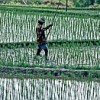
ASIA: Rice Prices Add to Inflation Woes
In Singapore, where almost 100 percent of foodstuff is imported, the government has allowed private importers to increase buffer stocks. The Philippines, the world’s largest importer of rice, has been busy shopping for the grain from producers such as China and Pakistan.OIL-CARIBBEAN: Petrocaribe Building ‘Anti-Crisis, Anti-Hunger Shield’
Seventeen countries in Central America and the Caribbean are to make down payments of only 40 percent on Venezuelan oil, while cooperating to expand their food supply, and calling on the North to take measures to curb speculation on futures markets, which is resulting in surging crude prices.FINANCE: Lobbyists Enlist Public in Commodities Speculation Fight
Energy traders and oil-consuming businesses are enlisting the public in a tug-of-war over proposals to tame fuel and other commodity prices.DEVELOPMENT: ‘Planet Burns While G8 Fiddles’
While the world's major industrialised nations expressed satisfaction over their three-day summit meetings that concluded Wednesday, non-governmental organisations, after some early and limited approval, were deeply disappointed with the outcome on the whole.G8: Leaders Produce More Than NGOs Expected
Three key documents – on African development, food security, and corruption - emerging Tuesday from the summit of major industrial nations' leaders seem to have taken non-governmental organisations (NGOs) by surprise in delivering more than expected, even if they did not please all.AGRICULTURE: ‘Don’t Do It Europe’s Way’
Europe's system of agricultural support should not be emulated in other regions of the world grappling with high food prices, the top United Nations official for humanitarian affairs has suggested.G8: Global Food Security Plan Expected
A landmark agreement on ensuring global food security is likely to emerge from the G8 summit in Toyako.DEVELOPMENT: 'African Agriculture Needs Green Growth'
Caution needs to be exercised in developing African food production to avoid long-term social and environmental harm, according to an ecologist credited with averting mass hunger on the continent.ECONOMY-ARGENTINA: A Cold Wind from the Pampas
Over 100 days of conflict in Argentina's farm sector, where most of the latest record crop is safely stored in silos, has cooled the pace of consumption and caused a general slowdown in economic activity, which had been expanding at an unprecedented rate since 2003.OIL: New Global Energy Order Emerging
By bringing together the world’s major oil producers and consumers in Jeddah, Saudi Arabia marked a turning point in the negotiations for a new global energy order that is emerging under the weight of soaring oil prices, which are driven by factors other than supply and demand.DEVELOPMENT-EU: Saving Agriculture From Climate Change
Climate change will top the agenda of an international food conference on Europe that begins Thursday in Innsbruck, Austria.ARGENTINA: Who Are Today’s Farmers?
"I could even do without land, my business would not be affected," Gustavo Grobocopatel, one of Argentina’s largest agribusiness owners, said some time ago. His case illustrates how the rural sector includes much more than the associations leading the radical farmers’ protests of the past few months.MEXICO: Latest Measures Against Food Crisis Called Ineffective
Observers in Mexico say the price freezes announced by the government for more than 150 food products are deceptive and could even foment unhealthy eating habits.« Previous Page — Next Page »





The Week with IPS

NEXT STOP - SDGs
Tracking global progress towards a sustainable world
Tracking global progress towards a sustainable world
