Languages
Wednesday, April 29, 2026



News and Views from the Global South
IPS UN Bureau Report

As Forests Felled Wood Shortage Hits Villagers in Zimbabwe
Linet Makwera (28) has a baby strapped on her back as she totters barefoot, picking tiny pieces of wood on both sides of a dusty and narrow road, peering fearfully at people passing by along the road in Chimanimani’s Mutambara area in Gonzoma village located in Zimbabwe’s Manicaland Province, east of the country.
Israel’s Moves to Ban UNRWA—Signals Uncertainty for Affected Palestinians
The decision of Israel’s parliament, the Knesset, to adopt two laws that would severely limit or outright ban UNRWA has the potential to set a dangerous precedent, where countries can simply implement their own justification to ban the activity of the United Nations, even if it violates their obligations under international humanitarian law. Even with the rest of the world condemning this course of action, for Israel, this has been a long time coming and they are unlikely to back down.
Mexican Cooperative Promotes Energy Transition on Indigenous Lands
What began as a search for fair prices for indigenous handicrafts in 1985 has evolved into a women's organisation in Mexico that promotes climate justice while advocating for land and environmental rights.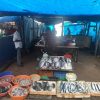
Voices from the Margins: Small-Scale Fishers Demand Rights, Recognition at COP16
Small-scale fishers play a fundamental role in feeding people—they use sustainable methods of catching and processing fish products and are a significant force in the employment and livelihoods of millions of people internationally—yet, until now, they have been excluded from climate and biodiversity conferences.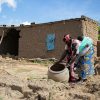
Armed Violence and Floods Aggravate Humanitarian Crisis in Chad
Chad is currently in the midst of a dire humanitarian crisis due to persisting armed conflict, mass displacement, widespread hunger, natural disasters, and an overall lack of essential services. Due to security challenges from the Boko Haram militant group, millions of Chadians have faced decreased mobility as well as human rights violations including imprisonment, beatings, kidnappings, and killings.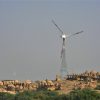
Is India Phasing Out Fossil Fuels Fast Enough To Achieve Its Emission Targets?
While India continues to rely heavily on coal, the south Asian economic giant is also aggressively pushing renewable energy production, especially after the costs of renewable energy production have fallen drastically in recent years around the world.
COP16 Delivers on Indigenous Peoples, Digital Sequencing, But Fails on Finance
The curtains fell on the 16th Conference of the Parties of UN Biodiversity (COP16) on Sunday without any formal closing. In a voice message, David Ainsworth, the Communications Director of the UNCBD, confirmed that the COP was suspended due to a lack of quorum in the plenary and would be resumed sometime later. However, before being suspended, the parties managed to adopt a historic decision to open the door for Indigenous Peoples (IPS) and local communities (LCs) to influence the global plan to halt the destruction of biodiversity.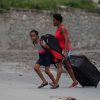
Conditions Deteriorate from Persisting Gang Violence in Haiti
Due to worsening political instability, escalating gang violence, and a lack of basic services, Haiti is in the midst of one of the most severe humanitarian crises in the world. According to a 2024 ACAPS report, gangs have seized 85 percent of the nation’s capital, Port-Au-Prince, resulting in over 700,000 displaced persons.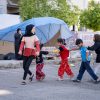
Death Toll in Lebanon Rising From Israeli Bombardment
The eastern region of Baalbek, Lebanon was believed to be a “safe zone” for residents, and refugees who had been displaced by the increased hostilities across the country. That changed on October 29, when an Israeli airstrike on the region resulted in over sixty casualties, including two children.
UN Remains Paralyzed as “Rogue Nations” Violate Charter & Escalate War Crimes
The United Nations continues to be virtually paralyzed – and remains politically impotent amidst two raging conflicts—as Russia and Israel keep defying the world body. The killings of civilians and the destruction of cities, particularly by Israel, are devastating and continue despite repeated warnings from the UN, its humanitarian agencies, the International Criminal Court (ICC), UN human right experts and the Security Council.
Lead for Learning: Decisive Leadership Urgently Needed To Improve Education Globally
Global education is facing a critical moment amid severe setbacks. Millions of children are out of school, learning levels are falling, and millions are leaving school without the skills they need. New out-of-school figures reveal that global progress in reducing the number of out-of-school children has been just 1 percent since 2015, leaving 251 million behind.
Israel’s Ban on UNRWA Threatens the Stability of Palestine
On October 28, the Israeli parliament voted to ban activity from the United Nations Relief and Works Agency for Palestinian Refugees in the Near East (UNRWA) in Israel. Two bills were passed by the Knesset, Israel’s house of representatives, one that barred all UNRWA efforts, and another that prevents interactions between Israeli authorities and UNRWA personnel. The implications of this amendment are expected to exacerbate dire conditions for millions of Palestinians who were already in the midst of a severe humanitarian crisis.
Defending Biodiversity in Armed Conflict: Can COP16 Meet the Expectations?
José Aruna, a forest defender from Sud Kivu province in the Democratic Republic of the Congo (DRC), remembers the night in September 2019 when a group of heavily armed men barged into his house in the middle of the night. Aruna and his wife—6 months pregnant at the time—were in bed when he heard sounds of boots on the front yard and quickly knew something was about to happen.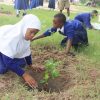
Tanzanian Students Drive Climate Action Through Tree Planting
At Gabimori primary school, located at Nyamagaro ward in Tanzania’s northern Rorya district, a 15-year-old Florence Sadiki kneels among polyethylene bags, carefully examining the seedlings she and her classmates have nurtured from tiny sprouts “We’ve planted many trees to make our school look better and to help fight climate change,” she says.
Scientific Research Can Play a Key Role in Unlocking Climate Finance
Climate finance will be at the epicenter of the discussion at the UN Climate Change Conference 2024 (COP29). The focus will be on strengthening the fund and defining the conditions under which the countries of the Global South will be able to access this money. However, little is said about the scientific research that is required to gather the evidence and data to prove the loss and damage caused by the impact of climate change in developing countries.
Seeds of Resilience Despite Massive Destruction in Gaza
It was two weeks before October 7—when Hamas attacked Israel—that Prime Minister Benjamin Netanyahu stood behind the rostrum in the United Nations General Assembly hall clutching a crude map of what he called the "new Middle East," a visual that erased the land of Palestine.
Sudanese Civil War Exacerbates Economies in Neighbouring Countries
Critical levels of nationwide hunger in Sudan has only increased to critical levels since the start of the Sudanese civil war in April 2023. Escalated hostilities between the Sudanese Armed Forces (SAF) and the Rapid Support Forces (RSF) have led to limited mobility and repeated blockages of humanitarian aid. This, coupled with the volatile floods and droughts, have decimated crop fields which has only exacerbated famine levels greatly. All of these factors have left nearly 25 million people in Sudan in need of humanitarian assistance in 2024.
Over 150 NGOs Urge World Governments to Help End War Crimes in Gaza
As it continues to leave a mounting trail of death and destruction in Gaza, Israel has come under severe attack from the international community, including the United Nations and its humanitarian agencies, Western allies, the International Criminal Court (ICC) and scores of human rights experts.
By Choosing What We Eat, We Choose the World We Want To Live In
“How we prepare and eat food should not be at the expense of our biodiversity,” says 3-Michelin-starred chef Mauro Colagreco, who is on a mission to change our relationship with food and what we choose to eat. Colagreco, the owner of Mirazur, an award-winning restaurant in Menton, France, is a tribute to gastronomy. Among other world rankings, Mirazur's fine food and service have earned it first place in the World's 50 Best Restaurants. In the 2020 edition of the "100 Chefs" world ranking, Colagreco's peers named him the Best Chef in the World and Chef of the Year in 2019.
At COP16, Biodiversity Credits Raising Hopes and Protests
At the end of the first week at the 16th Conference of Parties on Biodiversity (COP16), finance emerges as the biggest issue but also shrouded in controversies. On Saturday, as the COP moved closer to its most crucial phase of negotiations, resource mobilization—listed under Target 19 of the Kunming-Montreal Global Biodiversity Framework (KMGBF)—took centerstage, with most parties demanding faster action, greater transparency and the adoption of true solutions to halt biodiversity loss.
Press Freedom in Sri Lanka: A Long Road to Justice
Anyone interested in unsolved murders and disappearances will find much to study in Sri Lanka. Fifteen to twenty years ago, the country made global headlines, not only for the government’s military offensive against the Liberation Tigers of Tamil Eelam (LTTE) guerrillas but also for the numerous murders of journalists. The newly elected president, Anura Kumara Dissanayake—often referred to as AKD—seems determined to address the culture of impunity.« Previous Page — Next Page »


The Week with IPS

NEXT STOP - SDGs
Tracking global progress towards a sustainable world
Tracking global progress towards a sustainable world
