Languages
Sunday, November 8, 2026



News and Views from the Global South
Millennium Development Goals (MDGs)
MALAWI: Vaccination Foiled by Divine Intervention
Dowa, central Malawi: medical staff struggle to vaccinate frightened children clinging to their parents, as an armed policeman stands guard.KENYA: Resounding Yes to New Constitution
Jubilant supporters say it is a new dawn for Kenya. Sixty-seven percent of votes cast endorsed a new constitution more than two decades after reform was first raised.KENYA: Misoprostol Can’t Shake Bad Reputation
Precious Nabwire nearly died giving birth to her fourth child. If Kenyan gynaecologists have their way, a drug to control bleeding after childbirth will be licensed, offering greater protection to tens of thousands of women facing similar danger.SOUTHERN AFRICA: Removing Barriers to Trade
Cecilia Gondwe waits in the shade of a tree at the Mwanza Border Post between Malawi and Mozambique. Somewhere inside, a clearing agent is completing elaborate paperwork on her behalf.
ZAMBIA: Election Violence Could Mean Fewer Women Participants
There are growing fears that increasing numbers of women candidates and voters may not participate in the 2011 general elections because of an upsurge in election-related violence.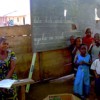
DR CONGO: Sticks And Straw Out of Our Schools
Led by the local church, residents of Gungu administrative zone, in the southwestern Democratic Republic of Congo have used their own resources to transform the conditions in which their children study.
HIV-positive Kenyans Need Tribunal to Address Rights Violations
Nancy Njeri’s life changed when she contracted HIV through a gang rape. Not only did the infection traumatise her, she was ostracised by close friends and neighbours whom she had known for almost a decade. She was fired from her job and when she attempted to sell vegetables, people boycotted her stand because of her status.SOUTHERN AFRICA: Boost Cross-Border Trade for Food Security
Small-scale traders on either side of the Mwami Border Post between Zambia and Malawi are key to meeting local demands that larger importers do not.KENYA: Herbal Contraceptives Under the Radar
An arrow points the way from a busy street along a rough pathway; visitors clutch their bags more closely. The door is open: sachets are displayed on the table with labels indicating treatment for ulcers, diabetes, hypertension, fibroids. But not the contraceptive pill IPS is looking for.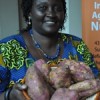
Developing More Top African Women Research Scientists
In a tiny village near Kisumu city in Kenya, scientific researcher Mary Anyango Oyunga spends most of her time educating women about something they have always done – grow sweet potatoes.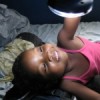
Q&A: Clean Energy and Cultural Survival in Nicaragua
For the past six years, French and U.S. engineers have been installing solar panels and wind turbines in the southeastern Nicaraguan town of Bluefields, promoting clean energy and development among the region's Rama indigenous peoples.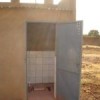
BURKINA FASO: Race to Achieve Goals on Sanitation
The government of Burkina Faso has embarked on the construction of 55,000 latrines each year to improve access to proper sanitation for the population from the present 10 percent to 54 percent by 2015.MALAWI: Innovative Campaigning by Women Candidates
You will find Beauty Kasonda on her campaign trail at funerals, weddings, church functions or just about any local gathering in her community. Kasonda does not have the sort of funding her male counterparts have for campaigning in the country’s November 2010 elections but she is not letting that stop her.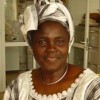
POLITICS-GUINEA: Women Amongst Also-Rans in Presidential Elections
Celou Dalein Diallo gained a significant advantage over Alpha Condé, his main rival for the Guinean presidency, when a third candidate said he would back Diallo in a second round of voting in August. But what has become of women candidates for high political office in this West African country?ZIMBABWE: Badly Needed Work Begins on Bulawayo Water System
Dispersing feasting flies and angry residents from a manhole cover spewing sewage from people’s homes and into the road: another day in the working life of Njabulo Siziba. It's a dirty, frustrating, thankless job as a civil engineer for Bulawayo city council, but help is at hand for Siziba and the city he serves.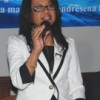
MADAGASCAR: Women Form Own Political Parties for Fair Representation
Brigitte Rasamoelina and Yvette Sylla are women with two different approaches to politics in Madagascar. One formed a political party, while the other decided to legalise her organisation as an association. But both women are considering running in Madagascar's November elections.
U.N. Declares Water and Sanitation a Basic Human Right
When the United Nations General Assembly adopted the Universal Declaration of Human Rights (UDHR) back in December 1948, 58 member states voted for a historic document covering political, economic, social and cultural rights.
Familiar Pledges on Child and Maternal Health in Africa
During the three-day summit of African Union heads of state, roughly 37,000 children and 2,000 women died across Africa, mostly from preventable causes, says a civil society coalition for child and maternal health. The coalition welcomed African leaders' pledge to make more resources available.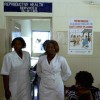
SIERRA LEONE: Defining New Role for Traditional Birth Attendants
Posseh Sesay will never be able to bear children again following a tragic birthing experience at the hands of her village traditional birth attendant (TBA).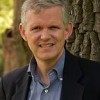
Q&A: “NGOs Are Here to Stay”
InterAction is the largest alliance of U.S.-based NGOs, with over 190 members. Its head, Sam Worthington, spoke recently with IPS about the role of NGOs in Haiti, the U.S. and throughout the world.URUGUAY: Millennium Goal on Maternal Health in Sight
Uruguay is on the point of reaching the Millennium Development Goal for reducing the maternal mortality ratio, but it is still behind in other aspects of maternal health, like providing integrated sexual and reproductive health care, fighting syphilis and checking on mothers and babies during the postpartum period.« Previous Page — Next Page »





The Week with IPS

NEXT STOP - SDGs
Tracking global progress towards a sustainable world
Tracking global progress towards a sustainable world
