Languages
Sunday, November 22, 2026



News and Views from the Global South
Politics
SRI LANKA: Radio Play Poses New Questions About Journalist's Murder
A BBC documentary on Sri Lankan journalist and actor Richard de Zoysa poses fresh questions about his brutal murder, 19 years ago, by highlighting little-known facts about his links to a revolutionary group involved in two bloody insurgencies, but is now the country's third largest political force.
POLITICS-KENYA: Taking Up a Women's Agenda
The first woman from the Muslim majority island constituency of East Lamu to contest for a seat in Kenyan parliament, Shakila Abdalla is determined to give voice to the country's poor and marginalised.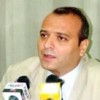
Q&A: ‘The Abolitionist Cause Should Be Separate from Politics’
The abolitionist movement in Syria faces more difficulties from religious institutions and scholars than from the state, says Ammar Qurabi.
Q&A: ‘Divinely Ordained Law Makes Abolition More Difficult’
Political Islam is the main barrier to abolishing the death penalty in most countries where it is still practised, says Maryam Namazie.RIGHTS-PAKISTAN: Enlarged Capital Crimes List Belies Promises – Activists
The decision to add "cyber terrorism" to Pakistan’s long list of capital crimes has raised questions on whether the new government has the resolve to carry through its promise to commute the death sentences of 7,000 prisoners.U.S.: Diplomacy, Multilateralism Stressed by Obama Team
Introducing the top figures in his national security team in Chicago Monday, U.S. President-elect Barack Obama promised a "new dawn of American leadership" that will be marked by much greater emphasis on diplomacy and multilateralism than was accorded by the incumbent, George W. Bush.
Q&A: 'Religious Institutions and Islamists Oppose Abolition'
King Mohamed VI of Morocco could easily abolish the death penalty by royal decree. But by keeping capital punishment on the statute books, the young King is yielding to official religious institutions and Islamists, says Brahim Ahensal.
Q&A: ‘Review of All Life Sentences after a Set Time’
The guns of state firing squads are today silent in Central Asia.VENEZUELA: Reviving the Debate on Presidential Reelection
Venezuelan President Hugo Chávez, who has governed the country since 1999, plans to seek reelection until 2019, or even 2021.RIGHTS-HUNGARY: Activists Seek to Reverse Draconian Law
A Hungarian rights organisation is seeking to return the country to the days when all life prisoners had a right to a review of their sentences, giving hope to eight who have been sentenced to imprisonment until they die.DEVELOPMENT: Rights In Times of Crisis
For the past three decades, indebted developing countries have been forced by the International Monetary Fund (IMF) and the World Bank to deregulate financial and labour markets, privatise national industries, abolish subsidies, and reduce social and economic spending.ENVIRONMENT-CUBA: ‘Forest Ranger’ Looks After Havana’s Trees
"It all began with the cutting of the ceiba," recalls Isbel Díaz, founder of the project "El Guardabosques" (The Forest Ranger), an environmental initiative that seeks to raise ecological awareness among residents of the Cuban capital and involve them in the protection of their natural surroundings, in particular the city’s trees.
LATIN AMERICA: Indigenous Reporting – Between Activism and Professionalism
Indigenous journalism would seem to be in a stage similar to what environmentalism experienced a few decades ago: born of necessity and protest, it is caught in a constant state of tension between activism and professionalism.DEVELOPMENT: An Opportunity to Create a New Financial Architecture
The most severe financial crisis since the Great Depression needs massive economic stimulus packages that are coherent and linked with sustainable development imperatives, asserts a new report by top U.N. economists released Monday on the sidelines of the Monterrey Review conference in Doha.Q&A: “Young People Are Invisible Until They Become a Problem”
Latin American and Caribbean countries with specific laws and policies on young people must now move on to concrete actions, international consultant Dina Krauskopf told IPS in this interview.ROMANIA: Two Decades of Democracy Brings Disappointment
The chaotic political programmes of the parties and a new electoral system discouraged more Romanians than usually from casting a vote in Sunday's parliamentary elections. The main opposition force, the Social-Democrats, obtained the best result, but with none of the parties achieving a clear majority, the centre-right forces might still coalesce to form the new government.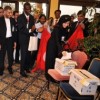
DEVELOPMENT: 'G192' Urged to Put People in Doha Talks
The demand is seemingly simple. ‘Vote for democratic, people-centred development’, advise civil society at the ongoing inter-governmental review of the Monterrey Consensus in Doha, Qatar.INDIA/PAKISTAN: Pleas For Sanity as Sabres Rattle Over Mumbai Mayhem
The pattern is all too familiar. Every time India and Pakistan head towards dialogue and detente, something explosive happens that pushes peace to the backburner and drags them back to the familiar old tense relationship, worsened by sabre-rattling war cries from both sides.RIGHTS-AUSTRALIA: Aboriginal's Death in Custody Case – No Justice?
Although supporters have expressed satisfaction with the six year jail term handed down recently to Lex Wotton for his role in the 2004 Palm Island riot - sparked by the death in police custody of aboriginal man Cameron Doomadgee - they say that justice has yet to be served.POLITICS-THAILAND: Violence Shakes Elite Myth of Thai Unity
Stories of Thai men getting into fatal fights during a night of drinking are common in the local press. But the killing of Somchai, a 37-year-old man, reveals something more ominous.ECONOMY-US: Past Crises Could Inform or Haunt Team Obama
Faced with the worst crisis since the Great Depression, President-elect Barack Obama ditched tradition this week, naming his economic team before anointing a secretary of state - by custom the first and senior-most cabinet appointment.« Previous Page — Next Page »


The Week with IPS

NEXT STOP - SDGs
Tracking global progress towards a sustainable world
Tracking global progress towards a sustainable world
