Languages
Wednesday, October 21, 2026



News and Views from the Global South
Southern Africa
MALAWI: Vaccination Foiled by Divine Intervention
Dowa, central Malawi: medical staff struggle to vaccinate frightened children clinging to their parents, as an armed policeman stands guard.SOUTHERN AFRICA: Removing Barriers to Trade
Cecilia Gondwe waits in the shade of a tree at the Mwanza Border Post between Malawi and Mozambique. Somewhere inside, a clearing agent is completing elaborate paperwork on her behalf.
ZAMBIA: Election Violence Could Mean Fewer Women Participants
There are growing fears that increasing numbers of women candidates and voters may not participate in the 2011 general elections because of an upsurge in election-related violence.SOUTHERN AFRICA: Boost Cross-Border Trade for Food Security
Small-scale traders on either side of the Mwami Border Post between Zambia and Malawi are key to meeting local demands that larger importers do not.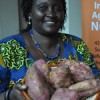
Developing More Top African Women Research Scientists
In a tiny village near Kisumu city in Kenya, scientific researcher Mary Anyango Oyunga spends most of her time educating women about something they have always done – grow sweet potatoes.MALAWI: Innovative Campaigning by Women Candidates
You will find Beauty Kasonda on her campaign trail at funerals, weddings, church functions or just about any local gathering in her community. Kasonda does not have the sort of funding her male counterparts have for campaigning in the country’s November 2010 elections but she is not letting that stop her.SOUTHERN AFRICA: Realising Trade in Virtual Water
The vegetables Omphemetse Monyi sells at the Francistown bus rank come from 400 kilometres away in South Africa. One approach to development might seek to replace her suppliers with local farmers, but Southern Africa's water managers are considering the merits of reinforcing a regional trade in "virtual water".ZIMBABWE: Badly Needed Work Begins on Bulawayo Water System
Dispersing feasting flies and angry residents from a manhole cover spewing sewage from people’s homes and into the road: another day in the working life of Njabulo Siziba. It's a dirty, frustrating, thankless job as a civil engineer for Bulawayo city council, but help is at hand for Siziba and the city he serves.
MADAGASCAR: Women Form Own Political Parties for Fair Representation
Brigitte Rasamoelina and Yvette Sylla are women with two different approaches to politics in Madagascar. One formed a political party, while the other decided to legalise her organisation as an association. But both women are considering running in Madagascar's November elections.ZIMBABWE: Rural Children with HIV a ‘Lost Cause’
Eleven-year-old Irene Thembo* lies curled like a foetus on a white wooden bench for outpatients at a clinic in rural Zimbabwe. The orphan, whose parents died of HIV-related illnesses, is terribly sick.ZIMBABWE: ‘Free’ Maternal Health Care Too Costly For Most
As African Union heads of state consider child and maternal health at the 2010 summit in Kampala, Uganda, the perennial question of user fees has reared its head in Zimbabwe. Fees for services are opening a growing gap between policy and implementation in maternal health care in the Southern African country.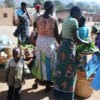
MALAWI: Government Money-Saving Measure Costs Traders Dearly
The Malawian government’s new cost-cutting prohibition on the hosting of conferences, training sessions and workshops on the shores of Lake Malawi has hit small-scale merchants who ply their trade on the roadsides and beaches of the fresh-water lake.SOUTHERN AFRICA: Youth Vulnerable to Violence
James Banda, 27, is an unemployed youth although he occasionally is hired to act as a bus conductor at Lusaka’s Kulima Tower Bus Station. He may not have a permanent job, but it is easy to find him. Anyone looking for him just has to go to the bus station and ask. Everyone knows who he is. Banda, or ‘ba-Jay’ as people call him, is a young man who commands a lot of respect from his friends – he is a thug for hire.ZIMBABWE: Pregnant Teens Shun HIV Treatment for Fear of Stigmatisation
At a local maternity clinic in one of Bulawayo’s high density suburbs, midwives are at pains to explain to a pregnant 15-year-old girl why she must be tested for HIV before she gives birth.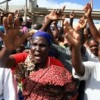
ZAMBIA: Calls for Political Parties to Field 50 Percent Female Candidates
With women having achieved little in terms of representation in decision-making positions in Zambia, a national women’s lobby group is hoping to change this in the 2011 general elections.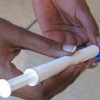
AFRICA: Antiretroviral Gel Lowers HIV Infection and Offers Hope to Women
When women from the predominantly rural Vulindela district in KwaZulu-Natal first began participating in an HIV-prevention trial many were unable to negotiate the use of condoms or even discuss safe sex with their partners. But as they used the discreet antiretroviral (ARV) microbicide gel, for the first time women - who bear the brunt of the HIV epidemic in Africa - were in control of an HIV-prevention method.SWAZILAND: HIV – Long Distances Place Expectant Mothers at Risk
Affectionately known as Gogo Zondo by the community of Ndvwabangeni in northern Swaziland, Margaret Zondo is a traditional health practitioner who helps treat the sick and delivers babies.
SOUTH AFRICA: Trauma of Children Caring for HIV-Positive Parents
Nine-year-old Nomasonto* had no choice but to switch roles with her mother and care for the HIV-positive woman who gave birth to her. Instead of worrying about homework and going out to play with her friends, Nomasonto’s daily concerns were now a matter of life and death.ZIMBABWE: Veggies Dried and Tasted
A resurgence of interest in dried traditional vegetables has opened up a market opportunity for women entrepreneurs in Zimbabwe’s second city, Bulawayo.
INDIAN OCEAN ISLANDS: Women Join Forces for Political Equality
"Instead of moaning all the time, why don’t you create your own (political) party?" some men asked Brigitte Rabemanantsoa Rasamoelina, a female politician from Madagascar. She accepted the challenge and in February formed Ampela Mano Politika, a political party which started with only 22 female members and now has over 5,000 female members ... and 10 men.
DEVELOPMENT-ZIMBABWE: “Competing With the Dogs for Bones”
"People used to mock me, saying that I am competing with dogs for bones, but these taunts do not deter me," says Sibongile Mararike with no sign of rancour.« Previous Page — Next Page »





The Week with IPS

NEXT STOP - SDGs
Tracking global progress towards a sustainable world
Tracking global progress towards a sustainable world
