Languages
Tuesday, September 22, 2026



News and Views from the Global South
Southern Africa
ZIMBABWE: Constitutional Reform Resumes
Months of delays may prove to have strengthened the process of producing a new constitution for Zimbabwe. When a 65-day public consultation finally begins, citizens will be primed and ready.
ANGOLA: Togo Footballers Attacked
Armed men have opened fire on a bus carrying Togo's national football squad to the Africa Cup of Nations tournament in Angola, killing the driver and wounding at least two players, officials have said.ZIMBABWE: Economy Crippled By Political Uncertainty
The Zimbabwean government has been working hard to attract international investors to revive the country’s failing economy. Success on this front in 2010 may hinge on the coalition government convincing investors their capital will be secure.SOUTH AFRICA: HIV Stigma Persists
HIV-related stigma and discrimination remain a key concern in South Africa, despite the multitude of HIV awareness campaigns that have been launched by government and civil society organisations throughout the years, health experts say.ZAMBIA: Bringing Phones to the Countryside
Cellular phones have quickly become a popular and effective means of communication in Zambia, but their use has been concentrated in urban areas. Government and NGOs are now trying to extend these services to rural people.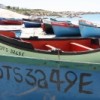
SOUTH AFRICA: Late Start For Crayfish Season
Long after the official opening of the crayfish season in South Africa on November 15, the boats lay idle on the beach in West Coast fishing villages like Paternoster. Fishing permits from the Marine and Coastal Managment unit (MCM) of the Department of Environmental Affairs and Tourism had not been issued.
SOUTH AFRICA: ‘They Haven’t Got a Choice: They Must Go to Sea’
Because of an unfair fishing quota system, more and more small South African fishing communities struggle to survive.
TANZANIA: Community Still Worried By Mine Contamination
Susanna Solomon is still tending her shamba, but she won't eat the harvest from her farm when it's ready.SANITATION-ZAMBIA: Turning Urine Into Gold
When he ordered his colleagues at the Water and Sanitation Association of Zambia to save all their urine in a plastic bottle in the office toilet, they thought he was mad. But German sanitation specialist Christopher Kellner wanted to demonstrate why he calls urine "liquid gold".
MADAGASCAR: Worrying Lapse in Forest Management
The illegal logging of precious wood rose sharply during the political crisis that gripped Madagascar during 2009. Forest communities, who could be part of the preservation of these resources, have been swept up in the rush for rosewood.ZAMBIA: Telecommunications Sale ‘Lacks Transparency’
The impending privatisation of the Zambia Telecommunications Company (Zamtel) is being opposed by civil society organisations and opposition political parties, who accuse the government of lacking transparency in selling one of the last remaining state-utility firms.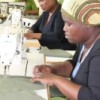
SOUTH AFRICA: Hard Lessons for Small Business on the West Coast
The sound of sewing machines fills the room with a low, continuous hum. A handful of women sit behind the machines, their heads bent in concentration on their work.
ZAMBIA: Let our Chiefs Govern
The Litunga of Barotseland, King of the Lozi, has no judicial or legislative authority. No supervisory control over government projects, and worst of all he cannot stand for elected office. Yet successive Zambian presidents have deferred to him.
ZAMBIA: Violence Threatens Polls
Prisca Musonda is an ardent supporter of Patriotic Front leader Michael Sata and his party. She has travelled with him to most parliamentary constituencies campaigning in elections.
ZAMBIA: Chief Justice Accused of Collusion by Opposition
Chief justice Ernest Sakala has been accused of colluding with the president’s administration to protect high-profile people accused of corruption. But the Law Association of Zambia has rejected the charges as unfair.ZAMBIA: Justice Delayed Becoming Justice Denied
Harry Mubita was tired of his wretched condition in prison. He had been in Lusaka Central Prison for more than a year, and still there was no sign that his theft case would be heard.
MALAWI: Women Fight Harmful Cultural Practices
An experience which Belita Simpokolwe went through in December last year remains deeply etched in her memory. "Sometimes I fail to concentrate in class when these things come back to my mind," laments 13-year-old Simpokolwe, a grade six pupil at Kawale Primary School, in the northern Malawi district of Chitipa.POVERTY-ZIMBABWE: Multiple Appeals to Support Zimbabweans
While food is readily available in shops and some political and economic stability is returning in Zimbabwe, vulnerable groups such as children and people living with HIV and AIDS still face a shortage of food.RIGHTS-AFRICA: Judges Address How Law Can Assist HIV Response
In Ghana, because the stigmatisation against gay men is so great, many are forced to have sexual relationships with women to escape prejudice and homophobic violence.
SOUTHERN AFRICA: Human Rights Day Honours Non-discrimination
While waiting in one of those interminable queues at a South African state hospital, Jullian Nwadu was asked when she was going back to Zimbabwe. "In December," she answered, welcoming what seemed like a stranger’s attempt at making friendly conversation. "When you go, you mustn’t come back."
RIGHTS-ZIMBABWE: Mugabe Orchestrated Rape – AIDS-Free World report
"When the tenth man finished raping me they said they were going to rape my daughter. I cried out but I could not even stand up at this time...they raped my daughter (while) I was there and I couldn’t do anything to stop them. My daughter was five years old..."« Previous Page — Next Page »


The Week with IPS

NEXT STOP - SDGs
Tracking global progress towards a sustainable world
Tracking global progress towards a sustainable world
