Languages
Tuesday, November 10, 2026



News and Views from the Global South
Southern Africa
ENVIRONMENT-SOUTH AFRICA: Pioneering Conservation Project At Risk
An innovative South African nature conservation project that combines protecting biodiversity and poverty alleviation faces resistance from residents of adjacent properties who are worried about rate increases and land development rights.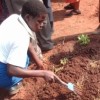
AGRICULTURE-SWAZILAND: Young Farmers Improving Food Security
When her friends go out to play with skipping rope during break, 12 year old Noncedo Masina takes her watering can and goes to work on her plot at the school vegetable garden.ECONOMY-PORTUGAL: Angola Rising
Nearly seven years after rebel leader Jonas Savimbi was killed in combat, Angolans are doing such brisk business with Portugal that the southern European country’s largest former colony in Africa has a double-digit economic growth rate.ENVIRONMENT-SOUTHERN AFRICA: Ministers to meet over Zambezi Commission
Water ministers of countries that share the Zambezi River will finally launch a long-standing initiative to promote sustainable utilisation of water resources at a meeting in Tanzania in November 2008.
POLITICS-MAURITIUS: Women Still Seeking the Political Kingdom
Mauritius - along with Botswana, Malawi and Madagascar - did not sign the Gender Protocol at the Southern African Development Community (SADC) summit in August. While the island nation has made some recent progress in political representation of women at the level of Parliament, much remains to be done to allow women to enjoy their full rights in the political arena.ZIMBABWE: New Deal Faces Challenges
Violent clashes broke out between supporters of the Zimbabwe African National Union Patriotic Front (Zanu PF) and the Movement for Democratic Change (MDC) outside the Rainbow Towers Hotel following the signing of a historic power sharing deal.ENVIRONMENT: Cities Commit to Defend Biodiversity
Political representatives from 21 cities around the world have signed a declaration to protect and re-develop urban biodiversity in their towns. Each city committed to identifying five vital initiatives to conserve plants, animals and natural resources and put those plans into practice within the next 18 months.
Q&A: Zimbabwean Women Have Had ‘‘More Trauma'' After Independence
Zimbabwean women have experienced higher levels of trauma, including violence and lack of food, after the country's independence from Britain in 1980 than before.POLITICS-ZIMBABWE: Power-Sharing Deal Signed
Zimbabwe's political leaders signed a long overdue power sharing deal late on Thursday night.
DEVELOPMENT-MALAWI: Irrigation Promises to Increase Food Security
Wyson Chandanga, a small-holder Malawian farmer from the northern district of Mzimba, does not care if the country receives enough rain this year. He is also not concerned on whether the rains come on time or not.
TRADE-SOUTHERN AFRICA: The Deal’s Signed But Where’s The Action?
Cross-border trader Florence Tjani is sceptical about the free trade agreement (FTA) recently signed by southern African states.SOUTH AFRICA: Will Gender Protocol Help Business Women?
South African women in business welcomed the recently-signed South African Development Community (SADC) Gender and Development Protocol, but are sceptical about its ability to truly achieve greater gender equality in business and trade.ECONOMY: Increased Nuclear Energy Demand Boosts Namibia
The worldwide scramble for energy sources due to dwindling fossil fuel reserves has placed renewed emphasis on nuclear energy as solution for future needs. As a result, Namibia in south-western Africa is experiencing a uranium boom.RIGHTS-ZIMBABWE: NGO Activity Still Limited
Despite the Aug. 29 lifting of a ban on the operations of non-governmental organisations (NGOs) in Zimbabwe, representatives of civil society report they are still unable to operate freely.AGRICULTURE-MALAWI: Going Against the Grain on Subsidies
In each of the past three growing seasons, the family of Bernadette Banda, in Chidambo village in the central region of Malawi, has doubled the maize harvest from the family plot, thanks to a government input subsidy programme.
RIGHTS: Swazi Law And Custom Under Pressure
When the women's movement in the southern African kingdom of Swaziland took to the streets in August to challenge what they called extravagance by the royal family, Swazi traditionalists were livid.DEVELOPMENT-AFRICA: Why The Richest Continent Is Also The Poorest
The ecological impact of natural resource exploitation on the lives of the poor in Africa and other regions is not being addressed sufficiently in aid effectiveness and development discussions, aid experts say.
Q&A: 'Our Voices Have Been Heard'
As the Third High Level Forum on Aid Effectiveness draws to a close in the Ghanaian capital, gender activists are reflecting on the way ahead.
POLITICS-ANGOLA: Economy Weighing On Voters’ Minds
Angola's economy may be booming on the back of high oil prices and strong diamond exports, but six years after a peace deal ended the 27-year civil war, unemployment stands at around 65 percent.DEVELOPMENT-SWAZILAND: Don't Blame Donor Dependency
What happens to a nation whose people depend on the largesse of international donor agencies for their existence, once support is withdrawn?ECONOMY-NAMIBIA: Plans Afoot as Diamonds Dwindle after 100 years
Namibia’s once rich diamond deposits are dwindling after a century of exploitation, forcing miners to look for the hard stones offshore while the country’s fledgling cutting and polishing sector could shrink as fewer and smaller stones are found.« Previous Page — Next Page »





The Week with IPS

NEXT STOP - SDGs
Tracking global progress towards a sustainable world
Tracking global progress towards a sustainable world
