Languages
Monday, November 23, 2026



News and Views from the Global South
Türkiye

More Than a Cautionary Tale: Nepal’s Fight for Mountain Justice at COP31
At the UN climate conference (COP31) in Turkey, Nepal was part of almost every discussion around the climate crisis and climate-induced disasters. In the wake of the devastating flood in August, which the world witnessed through CCTV footage and whose impacts local communities are still living with, almost everyone at COP31 is talking about it as an example of a climate disaster.
COP31 Ends in Deadlock, Leaving Ethiopia To Pick up the Pieces
There is no final cover decision at this year’s United Nations climate summit after countries did not agree on a text that explicitly mentions moving away from fossil fuels.
Kenya Says IPCC Report Delay Debate Is About Capacity, Not Politics
The publication timetable for several climate reports has become one of the most contentious issues at this year’s United Nations climate conference, as several fossil-fuel-dependent countries want to delay the next round of scientific assessments.
COP31’s Just Transition Paradox: Where Are the Critical Minerals in the Negotiations?
You cannot build a wind turbine, electric vehicle, battery or solar grid without critical minerals. Lithium, nickel, cobalt, graphite and rare earths are as essential to the clean-energy transition as renewable power itself.
COP31: Leaders Put Resilient Cities on the Table. Will the Money Follow?
“Climate action has to deliver where people live,” COP31 President Murat Kurum said on Resilient Cities and Built Environment Day, part of the Leaders Summit. Cities, he said, are “where that implementation becomes real – in the homes people live in, the infrastructure they depend on and the energy they use every day.”
Indigenous Leader Warns Energy Transition Risks Turning Their Territories Into ‘Sacrifice Zones’
Indigenous communities risk paying a heavy price for the global shift to clean energy unless governments involve them in decision-making and protect their ancestral territories, an Indigenous leader from Brazil has warned.
Africa Makes Some Gains but Faces Major Setbacks at COP31
Today (November 15) marks the second week of negotiations at the United Nations climate summit in the resort city of Antalya, Turkey.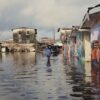
COP31: New Research Ties Extreme Weather and Mental Health Challenges in Africa
Floods. Extreme heat. Droughts. African communities have experienced it all and more.
COP31: Why Africa Must Rethink Nuclear Energy
Gabriel Sheunopa Manyangadze holds a placard reading “No nuclear spin, let renewables win" as a campaigner leads protesters against nuclear energy in Africa at the United Nations climate summit in Antalya, Turkey.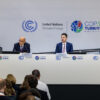
COP31: African Development Bank to Co-Lead Global Electrification Finance Initiative
Africa's transition to clean energy received a potential boost at COP31 with the announcement of a new international financing coalition, co-chaired by the African Development Bank (AfDB) and World Bank from 2027.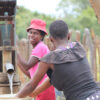
Without Action, Climate Change Could Push Women Further Behind by 2050, CGIAR Warns
Fetching water was once a back-breaking daily reality – one that Nomuhle SibandaMpofu will never forget.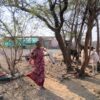
Drought Cripples Dairy Farmers in Maharashtra in ‘Off the Charts’ Weather Year
Dairy farmer Sagar Pawar has to buy water and fodder at inflated rates to feed his brood of two buffaloes, three Guernsey cows and a calf. He lives in the Solapur district, which is already drought-prone, but now has to deal with the impacts of a strong El Niño as well.
World Lost More Than 7 Million Hectares of Forest in 2025
The world lost more than 7 million hectares of forest to deforestation in 2025, a modest improvement on recent years but still far from what is needed to meet global forest protection targets by 2030, according to a new assessment of international conservation efforts.
War, Heatwaves and Energy Shocks Fuel Push for Clean Energy
The 30 COP gatherings may not have done what three months of US-Israeli war against Iran did: expose the world's vulnerability to fossil fuels.
World Leaders Take a Stand as Outrage Against Israel Increases
The world is becoming increasingly outraged at Israel for its actions in the ongoing war against Hamas, particularly amid the recent killings of Palestinian journalists and Israel’s announcement of its plan to seize complete military control of the Gaza Strip.


The Week with IPS

NEXT STOP - SDGs
Tracking global progress towards a sustainable world
