Languages
Wednesday, October 21, 2026



News and Views from the Global South
World Bank

World Bank Urged to Include Human Rights in Safeguards Review
Backed by the German government and prominent civil society voices, United Nations experts are calling for the World Bank to explicitly incorporate international human right standards into its "safeguards" to minimise negative impacts of bank financing on vulnerable communities and environments.
Learn From the Children
“Recall the face of the poorest and weakest man you have seen, and ask yourself if this step you contemplate is going to be any use to him.”
Insecurity the “Achilles’ Heel of Development” in Latin America
Development experts here are warning that widespread, unchecked violence against citizens in Latin America is posing a threat to the development of the entire region.
World Bank, IMF Link Urbanisation with Development
Two of the world’s largest multilateral institutions have released new data linking greater urbanisation with higher levels of human development, and are announcing that they will place greater priority on issues of urbanisation in coming decades.
Q&A: ‘Empowering Girls Alone Will Not Bring Social Change’
The Global Education First Initiative stands at the forefront of this week's Learning Ministerial Meetings in Washington, D.C., underscoring the importance of education in the development of the global economy.
World Bank to Strengthen Focus on Land Rights
The World Bank will be placing stronger emphasis on issues of land tenure and socially and environmentally sustainable agricultural investing, it announced Monday.
For Climate Action, 2013 “Good as It’ll Get”: Nicholas Stern
A confluence of factors could make 2013 the most fruitful opportunity in years – and for years – for potentially major action on climate change, according to a leading voice on climate change policy, the British economist Nicholas Stern.
World Bank Aims to End Extreme Poverty by 2030
World Bank President Jim Kim has unveiled a series of new institutional goals aimed at ending extreme poverty by 2030 and focusing on the promotion of “shared prosperity” – increasing the incomes of the poorest 40 percent in each country while placing increased focus on dealing with climate change.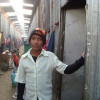
World Bank 2030 Draft Strategy Criticised for Omitting Inequality
A leaked copy of a major World Bank strategy paper, outlining a new institutional approach to tackling poverty through 2030, has worried some humanitarian groups and anti-poverty advocates, who say the bank has failed to suggest mechanisms that would allow it to adequately track or deal with growing levels of income inequality around the world.
In Middle East, Women’s Labour Half of Global Levels
As countries in the Middle East and North Africa adjust to profound political changes and economic difficulties, development experts on the region have increasingly turned their attention to the social and economic potential of incorporating more female workers into the labour market.U.S. Urged to Reject New World Bank Focus on Large Infrastructure
A group of environmentalists, gender activists and international finance watchdogs are calling on the U.S. government to support calls for the World Bank to step back from a new programmatic focus on large-scale infrastructure, which critics say does little to help alleviate poverty.Pressure Grows on Washington to Pass IMF Governance Reforms
More than 130 scholars, former government officials and policymakers are calling on the U.S. Congress to enact pending legislation enabling broad governance reforms within the International Monetary Fund (IMF) that would strengthen the voice of developing countries within the institution.
U.S. Abstains on Controversial World Bank Mongolia Mine Project
The United States has refused to vote for involvement by the World Bank Group in a massive but controversial mining project in Mongolia.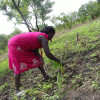
World Bank Urges African Agriculture Rethink
The World Bank is urging African governments to retool their agriculture policies, particularly to include a far greater focus on agribusiness as a critical driver of future development.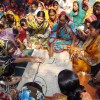
Women’s Leadership Breathes New Life into Bangladesh
Monashatoli, a small coastal village of 5,000 residents in Bangladesh’s southwestern Barguna district, located about 470 kilometres south of the capital Dhaka, is a living model of the success of bottom-up community development.IFC Under Fire on Environment, Social Safeguards
Campaigners are seizing on a new internal audit of financial-market lending by the International Finance Corporation (IFC), the World Bank arm that engages in private sector investment, pointing to unusually stark criticism of the institution’s commitment to due diligence.
World Bank Unmoved on Auditor’s Criticism of Forest Policy
Officials at the World Bank are forcefully rejecting a new internal evaluation that is highly critical of the institution’s decade-long forest policy, expressing their “strong disagreement” with some assertions in the report.
In Haiti, Aid Dollars Corroded Social Fabric
A World Bank-funded community development project in Haiti appears to have inadvertantly harmed or even dissolved some of the grassroots organisations it was designed to strengthen.
World Bank “Success” Came at High Cost in Haiti
A 61-million-dollar, eight-year community development project funded by the World Bank and executed by the Haitian government and two international development agencies has raised questions of waste and corruption, and even carried out what could be called “social and political re-engineering".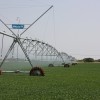
Investments Into, Out of Developing Countries at Record Levels
Foreign direct investment (FDI) both into and out of developing countries is at or nearing record levels, an arm of the World Bank reported on Thursday.
The Emerging Global Crisis of Investment Agreements
A growing number of international lawsuits has highlighted an emerging global crisis: the nature and effects of investment treaties signed between governments, which are allowing private companies and investors to sue countries for millions or even billions of dollars.« Previous Page — Next Page »





The Week with IPS

NEXT STOP - SDGs
Tracking global progress towards a sustainable world
Tracking global progress towards a sustainable world
