Languages
Tuesday, May 7, 2024



News and Views from the Global South

Nuclear Deal Takes U.S.-Iran Ties Out of Deep Freeze – Partly, at Least
A historic deal on Iran’s controversial nuclear programme was announced today during the early morning hours in Vienna over a decade after talks between Tehran and world powers began.
High Hopes in Iran as Nuclear Talks Head Into Final Round
A final deal on Iran’s nuclear programme wouldn’t only make non-proliferation history. It would also be the beginning of a better life for the Iranian people—or at least that’s what they’re hoping.
Iran Sanctions Regime Could Unravel with Failed Nuclear Deal
Internationally supported sanctions against Iran could begin to crumble if talks over Iran's nuclear programme fail to produce a final deal, according to Germany’s envoy to the United States.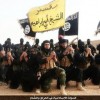
Foreign Fighter Recruits: Why the U.S. Fares Better than Others
More than 25,000 fighters seeking to wage “jihad” or an Islamic holy war have left home to join terrorist networks abroad.
Obama Prepares for Showdown with Congress Over Iran Deal
Two days after the deadline for reaching a deal over Iran’s nuclear programme had passed, negotiators looked like they would be going home empty handed. But a surprisingly detailed framework was announced Apr. 2 in Lausanne, Switzerland, as well as in Washington, and in the same breath, U.S. President Barack Obama acknowledged the battle he faces on Capitol Hill.
Jailed Journalist’s Family Looks to Iran’s New Year with Hope
The lawyer for Jason Rezaian, the Iranian-American Washington Post reporter detained in Tehran since Jul. 22, 2014, has officially requested temporary bail for her client during Nowruz, the beginning of the Persian calendar year when some prisoners have customarily been granted furlough requests.Debating U.S. Foreign Policy: Where are the Women?
Women are running some of the United States’ most prominent foreign policy focused think tanks, leading U.S. diplomatic initiatives, and reporting from the front lines of the world’s most dangerous conflict zones.
Obama-Congress Iran Sanctions Battle Goes International
While it’s anyone’s guess whether a final deal will be reached over Iran’s nuclear programme this year, a number of key international actors have forcefully weighed in on calls from within the U.S. congress to impose more sanctions on the Islamic Republic.
Iranians Keep Hope Alive for Final Nuclear Deal
In the United States, the negotiations aimed at a final deal between world powers and Iran over its nuclear programme—in a crucial phase this week—are far from the minds of average people. But for many Iranians, the talks hold the promise of a better future.
ISIS Complicates Iran’s Nuclear Focus at UNGA
Iran’s foreign minister arrived in New York last week with his sights set on a final deal on Iran’s nuclear programme. But a pressing regional conflict is hanging heavily over the already strained negotiations as Iran and world powers resume talks on the sidelines of this week’s U.N. General Assembly.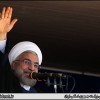
Iran, One Year Under Rouhani
When Hassan Rouhani was declared Iran’s president last year, large crowds gathered in the streets of Tehran to celebrate his surprise victory. But while hope for a better life persists, Iranians continue to face harsh realities.
Arrest of “Happy” Iranians Highlights Rouhani’s Domestic Battles
It was a perfect headline for the satirical online news site, ‘The Onion.’
Tough Road in Vienna to Iran Nuclear Deal
Iran and world powers will resume negotiating a final deal on Tehran's nuclear programme Tuesday in Vienna while experts warn the hardest work is about to begin.
U.S. Apache Delivery Highlights Mixed Messaging on Egypt
Last October, the Barack Obama administration suspended the delivery of attack helicopters to Egypt’s interim government following the Jul. 2 military ouster of Egypt’s democratically elected president, Mohamed Morsi.
“Act of Killing” Director Hopes U.S. Will Admit Genocide Role
Watching former gangsters and paramilitary leaders proudly reenact scenes from Indonesia’s military-led mass killings of 1965-66 in the Oscar-nominated documentary, “The Act of Killing”, it’s easy to forget the role of outside countries.
An Iran in Flux Marks 35th Anniversary of Revolution
Thirty-five years ago today, millions of Iranians embraced a religious leader promising freedom from a corrupt monarchy and national independence. Now many want a better standard of living and improved civil rights.
Iran’s Rouhani Needs a Nuclear Resolution
After 34 years of enmity, Tehran and Washington are heavily invested in the success of a deal over Iran’s nuclear programme achieved through teamwork. Now the political future of Iran’s new moderate president, Hassan Rouhani, depends on this issue.
Historic Iran Deal Aims at Final Nuclear Resolution
A momentous agreement over Iran’s nuclear programme was officially announced shortly before 3:00 am local time via Twitter by the spokesperson for EU foreign policy chief Catherine Ashton, Michael Mann, on Nov. 24, after more than four days of grueling talks.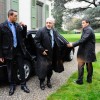
Guarded Tone in Geneva as Negotiators Seek Iran Accord
Amidst rising expectations of a breakthrough, Iran and six world powers Wednesday resumed their quest for a deal on Iran’s controversial nuclear programme that seemed just within reach earlier this month.
Scuppered Iran Deal Faces Scrutiny in U.S. Congress
The anticipated agreement over Iran’s controversial nuclear programme that seemed to slip away in the last stage of talks in Geneva last week is now being hotly debated on Capitol Hill.
Closer, But No Deal Over Iran’s Nuclear Programme
Despite rising hopes amid an unexpected turn of events, negotiations here between Iran and six world powers have ended without an agreement over Tehran’s nuclear programme.Next Page »







The Week with IPS

NEXT STOP - SDGs
Tracking global progress towards a sustainable world
Tracking global progress towards a sustainable world
