Friday, July 26, 2024



News and Views from the Global South
Food and Agriculture

How Climate-Smart Strategies Revitalized Tanzania’s Livestock Sector
As the sun sets, its golden hues piece through the dusty haze, creating a dazzling display when a herd of livestock lazily roams on the arid landscape as they return home from grazing. Dressed in shiny red robes, the youthful Maasai pastoralists routinely whistle as they steer cattle, goats and sheep to maintain a unified path.
How Vote Reflects Farmers’ View on India’s BJP’s Agrarian Policy Amid Climate Change
On June 4, Ram Das, a 65-year-old farmer from India’s northern state of Haryana, was anxiously waiting for the results of the country’s general elections. It was early morning when he left his home and, along with his fellow villagers, congregated near a tea stall that had a transistor set playing the election results.
UAE Complicit in Sudan Slaughter
Sudan is the scene of unimaginable suffering. As war between army and militia continues, civilians are paying the highest price. Both sides are killing non-combatants and committing gross human rights crimes.
Lebanon’s Deep Healthcare Crisis Exposed through Communicable Diseases
This summer is bringing an additional challenge to the public health front in Lebanon, along with higher-than-normal temperatures.
Emergence of a New Proletariat
Immigrants are essential to Europe’s economic survival. They are needed for doing the jobs that most Europeans no longer want to do. Jobs that involve manual labor in agriculture and industry; or providing home help, care for the elderly; or working un-social hours in the catering business.
Pandemic’s ‘Silver Lining’ for Caribbean Was the Use of Technology
 Global South countries did get one benefit from the COVID-19 pandemic. A professor at St. George’s University in Grenada describes it as the pandemic’s “silver lining." He was referring to the widespread use of next-generation genomic sequencing technology to identify, track, and trace the numerous variants of the Sars Cov-2 virus. Researchers and scientists in the Caribbean, Africa, and elsewhere have been eagerly harnessing genomic sequencing technology to develop resilience and greater self-sufficiency in numerous fields, ranging from health surveillance to agriculture and beyond.

Mayurbhanj Kai Chutney: From Forests to Global Food Tables
On a scorching May morning, Gajendra Madhei, a farmer from Mamudiya village, arrives at the local bazaar in Udula, a town in Odisha's Mayurbhanj district. He displays freshly caught red weaver ants, known locally as kai pimpudi, in the bustling tribal market. Thanks to the recent recognition of Mayurbhanj's Kai chutney, or red weaver ant chutney, with a Geographical Indication (GI) tag awarded in January, his business of selling the raw ants has seen a significant surge in profitability.
UNICEF Director of Global Communication and Advocacy Naysán Sahba visits Zambia

In Zambia, over 6.5 million people need humanitarian assistance because of the drought. 3.5 million of them are children.

Kashmir Frontier Woman Leads the Way in Breaking Down Patriarchy
Smelling the toxic smoke coming from burned powder kegs and helplessly watching fields turn into smoke and ash is traumatic. Rushing to the government's safe houses and leaving your homes, belongings and cattle behind whenever the armies of India and Pakistan trade fire is inexplicable. Then came climate-change-induced weather unpredictability.
Women Warriors Winning Fight to Bring Back Indigenous Food Traditions
As the school lunch bell goes off, 40 eager little bodies—41 if you count the school dog—burst out onto the veranda. Awaiting them are a stack of steel platters, into which will be ladled a nutritious and delicious lunch, all of it indigenous cuisine.
The World Bank Must Double Its Fund for the Poorest Nations like Mine to Tackle Hunger Crisis
After El Niño-induced floods and devastating drought, roughly two in five people in Malawi – a country of some 20 million people – are now facing the looming prospect of acute hunger by the end of the year.
Unveiling the “Dark Matter” of Food, Diets and Biodiversity
This year, bee pollen has become a trendy superfood thanks to a wide range of potential benefits. Last year, sea moss led the superfood trends. Before that, it was turmeric.
Transforming African Food Systems from the Ground Up
All news is local, they say. The same is true of innovations—those many new technologies, policies, and practices that steadily stream from research to enhance our lives.
Land Grabs Squeeze Rural Poor Worldwide
Since 2008, farmland acquisitions have doubled prices worldwide, squeezing family farmers and other poor rural communities. Such land grabs are worsening inequality, poverty, and food insecurity.
A River’s Contrasts and Inequalities in the Arid Lands of Brazil
Osmir da Silva Rubez refuses to join the drip system, and is the only one among the 51 families living in the Mandacaru Public Irrigation Project in Juazeiro, a municipality in the state of Bahia, in the Northeast region of Brazil, to maintain the furrows that carry water to their crops.
Climate Change, Pollution Push Karnaphuli Fishers Out of the Profession
Jishuram Das, a sexagenarian who was born in Jelepara, located in Chattogram, has been catching fish from the Karnaphuli River since his childhood. But nowadays, he often sits idle without going to catch fish, as their catches have drastically fallen.
Explainer: What You Need to Know About Climate Change and Blue Carbon
The area where land meets the sea, known as coastal ecosystems, could be the key to reducing the effects of climate change. What is blue carbon? Blue carbon refers to the carbon dioxide (CO2) stored within marine or coastal ecosystems worldwide. These ecosystems include coastal plants such as mangroves, seagrasses, and salt marshes, which trap CO2 in their seabeds.
Blue Economy Must Benefit Fishing Communities in Global South, Says WorldFish Chief
The Global South is crucial for ensuring aquatic food security to feed the growing world population. It is imperative that blue economy initiatives benefit fishing communities in developing and small island nations, which are facing disproportionate impacts of climate change, says Dr Essam Yassin Mohammed, Director General of WorldFish, an international non-profit research organization based in Penang, Malaysia.
Quiet Revolution Underway as IFAD’s Innovative Solutions Rise to Global Rural Challenges
Technology and innovation are at the center of the International Fund for Agricultural Development’s strategy to fulfill its global mission to eradicate poverty and hunger in the developing world, IFAD’s President Alvaro Lario told IPS in an exclusive interview.
Bringing Drought and Floods, El Niño Hits the Most Fragile in Southern Africa
Kaponde Likando does not know how his family will survive until the next farming season. “We are not going to have anything (to harvest),” said the 60-year-old from Chingobe village in southern Zambia after his maize, sorghum, groundnut and sweet potato crops failed. “This has been the very opposite of what we expected.”
Maggot Farming Creates Entrepreneurs, Saves Farming Costs in Zimbabwe
Three years ago, 43-year-old Benard Munondo was an "ordinary" Zimbabwean teacher at a local primary school, but now he has turned maggots into gold. Thanks to maggot farming, Munondo, who has never owned a home nor driven a car, now has both. In 2020, a week’s training on maggot farming changed his world.Next Page »






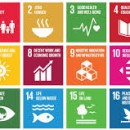


People, Planet and Prosperity, are at the heart of the 2030 Sustainable Development Goals (SDGs). As countries affirmed their commitments to transforming food systems at the UN Food Summit, it was clear the goals of nourishing everyone in a sustainable, climate-friendly and equitable matter were far off track.
The COVID-19 put worrying trends of food insecurity into “overdrive”, according to UN Secretary-General António Guterres. He noted that 3 billion people – almost half of humanity could not afford a healthy diet. COVID-19 meant that up to 811 million people worldwide faced hunger in 2020 — a 20 per cent increase in just one year. Over 41 million are on the doorstep of starvation.
When food systems fail, health, education, economy, environment, peace, and security could be threatened – but world leaders agree that transformative action could play an essential role in driving global recovery.
Inter Press Service (IPS) newswire has been at the forefront of writing about these challenges – from intense reporting in the field with the most vulnerable communities to ensuring the key messages of how to feed people and preserve the planet are disseminated. Working on crucial information from agencies like the Food and Agriculture Organization (FAO), International Fund for Agricultural Development (IFAD) and the Barilla Centre for Food and Nutrition (BCFN) IPS has been a forum for debate about what’s needed to fix food systems. This collection brings together the best of these stories written by journalists working in Africa, Asia and elsewhere in the Global South to experts from these organizations.

The Week with IPS

Tracking global progress towards a sustainable world