Languages
Monday, October 26, 2026



News and Views from the Global South
Middle East & North Africa
Middle East Escalation Could Leave 11.7 Million More Women and Girls Facing Food Insecurity by End-2026
An additional 11.7 million women and girls could face food insecurity by the end of 2026, as the escalation in the Middle East and disruption to the Strait of Hormuz drive up food prices and strain livelihoods and household resources, according to a new UN Women analysis published today.
Nearly 50,000 Women and Girls Killed or Severely Injured in Gaza in Three Years of War – One in 21 Gazan Women and Girls
Since October 2023, 50,000 women and girls in Gaza have been killed or seriously injured.- • UN Women estimates that nearly 50,000 women and girls in Gaza have been killed or severely injured since the onset of war in October 2023 [1], amounting to one in 21 Gazan women and girls losing their life or living with lifelong disabilities [2].
Prioritize Multilateralism to Resolve Iran War Deepening Humanitarian Crisis, Says OSF Vice President
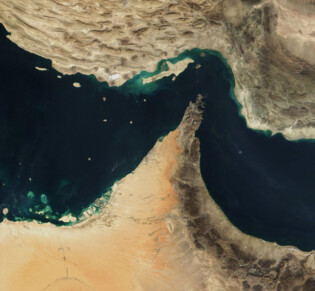
Seven months into the Iran War, threats of further military escalation and stalled efforts to reopen the Strait of Hormuz have heightened fears of worsening humanitarian suffering and wider regional instability.
The Ingenuity Trap
In the 21st century, getting a pencil into Gaza became international news. In January, after more than two years of restrictions, UNICEF finally brought in learning kits with pencils and exercise books. Textbooks stayed out. By then, the UN had recorded damage to 97.5 per cent of Gaza's schools.
IRAQ: ‘Art Is the Only Weapon That Doesn’t Hurt or Kill’
CIVICUS discusses public art, gender-based violence and censorship in Iraqi Kurdistan with Tara Abdullah, a multidisciplinary visual artist from Sulaymaniyah who is currently based in Oslo, Norway as part of the Safemuse – Safe Havens for Artists residency.
Renewed Hostilities In Yemen Inflame Displacement and Regional Risks
In recent days, the humanitarian situation in Yemen has deteriorated sharply following a new escalation of hostilities between the Iran-backed Houthi rebels and the Saudi-backed Presidential Leadership Council (PLC). This follows four years of relative stability, marking the most severe resurgence of violence since the collapse of the United Nations (UN)-mediated ceasefire in October 2022.
Trump’s “Comprehensive” Gaza Peace Plan a Cover for Genocide
It is nearly a year since the UN Security Council (UNSC) adopted Resolution 2803 on 17 November, 2025, endorsing President Trump’s 20-point framework ostensibly designed to end the war in Gaza and create a roadmap for long-term stability. It is not clear what progress has been made. In August 2026 The Jerusalem Post reported “the IDF continues almost daily strikes in Gaza”, killing more than 1,200 Palestinians since the US-brokered ceasefire deal came into effect, seizing more territory, and continuing to restrict the movement of people and goods into and out of Gaza. Nickolay Mladenov, the UN High Representative on the Board of Peace, wrote in early August 2026 that “two days of strikes across Gaza have killed civilians and destroyed medical supplies that people depend on”. Ironically, this genocidal strike happened only a few days after a US-brokered Hamas disarmament deal, which Trump called, “a monumental step” towards peace and security.
‘I am one who dies for life, not one who lives for death’ – Kurdish Political Prisoner Pakhshan Azizi
In 2024, Kurdish social worker Pakhshan Azizi was sentenced to death. She remains incarcerated in Evin Prison, Tehran, Iran. This is her story ...
Pakhshan Azizi’s Letter from Evin Prison
Writing from the women's ward of Evin Prison on 10 June 2026, Kurdish political prisoner Pakhshan Azizi, who remains under a death sentence, reflects on her legal case, political principles, humanitarian work, and the broader historical and political dynamics shaping the Middle East.
World Humanitarian Day — Protect Aid Workers Against Drones
World Humanitarian Day celebrates humanitarian workers and the life-saving services they provide under the most complex and often dangerous conditions.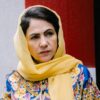
How the Taliban Hunt Women in Afghanistan
FIVE years after the Taliban returned to power, Fawzia Koofi, the former Deputy Speaker of the Afghan Parliament, denounces what she describes as “gender apartheid.”
GAZA: ‘There Are No Standards to Tell You What to Do in Conditions like Gaza’
CIVICUS discusses the state of civic and humanitarian action in Gaza with Ibrahim Arandas, a Palestinian activist and project manager at SPARK Gaza, a civil society organisation that provides humanitarian and psychosocial support.
Impending UNIFIL Exit Pushes Lebanon Toward Uncertainty
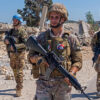
Since the collapse of the ceasefire between Israel and Lebanon announced in June, the humanitarian situation in Lebanon has deteriorated sharply. Marked by high casualties, immense destruction to civilian infrastructure, and widespread displacement, access to essential services has become increasingly strained as the United Nations Interim Force in Lebanon (UNIFIL) is scheduled to end its operations by the end of the year.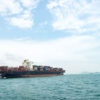
Rising Trade Values Mask the True Cost of Global Supply Chain Disruptions
Global goods trade reached approximately USD 13.7 trillion in the first half of 2026, up 12.5 percent from the same period in 2025, while services grew 10.5 percent, together adding USD 2 trillion to global trade. While these figures point to continued expansion, much of the increase reflects rising prices rather than stronger trade volumes.
Frankenstein in Charge: Netanyahu Rejects Trump’s Gaza Plan
Should anyone be surprised that Israel has rebuffed Donald Trump? The unconditional support of the US and its Western allies for Israel has emboldened the rogue state. Thus, Israel continues its genocide against the Palestinians in defiance of international humanitarian law and the Genocide Convention, and despite the so-called ceasefire agreement under the Trump plan. This is the pay-back for protecting Netanyahu from his arrest warrant by the International Criminal Court (ICC) for committing war crimes and crimes against humanity.
Resilience Is Not Enough: OCHA Sounds Alarm on Underfunded Humanitarian Crisis in Afghanistan
“Mainly, people tell me they're exhausted. They're exhausted from being poor, from being hungry, from repeated climate shocks, mounting debt, and the daily struggle to provide for their families,” Olga Cherevko, Spokesperson for the UN Office for the Coordination of Humanitarian Affairs (OCHA) in Afghanistan, told UN reporters on August 4.
Saudi Arabia, Türkiye and Pakistan Forge Mutual Defence Pact, as Iran Pursues New Shipping Framework
In Makkah, the Kingdom of Saudi Arabia, the Republic Türkiye, and the Islamic Republic of Pakistan agreed to the framework for a joint defence agreement where an attack on any of the three states shall be regarded as an attack against them all.
Palestinian Children Deserve Education, not Ethnic Cleansing
World News are more or less currently fully occupied with the U.S. – Iran debacle and to a lesser degree the Gaza genocide, the on-going war in Ukraine, and to an even lesser degree the one in Sudan.
US Arms Stockpiles Hit by Iran War
The highly- unpredictable five-month-old US-Iran war has been plagued by on-again, off-again peace agreements -- with such monotonous regularity-- the conflict seems never ending. But according to several news reports, the US faces a new threat-- it may soon run out of key weapons systems.
U.S.-Iran War Escalates Amid Growing Fears of Regional Instability and Rises In Arbitrary Executions
Over the past several weeks, the humanitarian landscape in the Middle East has deteriorated significantly, exacerbated by escalating security concerns and serious human rights violations. In late July, the United Nations (UN) highlighted a sharp uptick in hostilities between the United States and Iran, alongside growing concerns over wider regional instability.
Saudi Arabia Forms Multinational Red Sea Defence Alliance as U.S.-Iran War Threatens Global Shipping
As the United States and Iran continue to escalate with military strikes across both fronts, the conflict took a new turn with Saudi Arabia becoming militarily involved on July 29, following coordinated airstrikes with U.S. Central Command according to the Saudi Ministry of Defence.Next Page »





The Week with IPS

NEXT STOP - SDGs
Tracking global progress towards a sustainable world
Tracking global progress towards a sustainable world
