Languages
Sunday, November 8, 2026



News and Views from the Global South
Opinion
Volunteerism – An Antidote to a World in Flux
As the world warms, as inequality widens and as an increasing number of societies suffer from instability and conflict, many people are left wondering what they can do about it.
Case Against Tobacco Giant Could Protect Children
Legal action against British American Tobacco (BAT), one of the world’s largest tobacco firms, could see the company punished for profiting from child labor and force the industry to finally confront its treatment of vulnerable workers.
Inequality and Its Many Discontents
Much recent unrest, such as the ‘yellow-vest’ protests in France and the US ‘Abolish the Super-Rich’ campaign, is not against inequality per se, but reflects perceptions of changing inequalities. Most citizens resent inequalities when it is not only unacceptably high, but also rising.
What Do We Want from Our Oceans?
This is a question we need to ask ourselves but before answering we need to acknowledge the diversity of expectations and aspirations that we all have for oceans, which cover more than two-thirds of the planet’s surface.
Under Pressure. Can COP25 Deliver?
Mass public pressure backed by the weight of scientific reports is starting to bring governments to their senses as the annual UN climate summit kicks off in Madrid today.
Community Efforts are Key When Addressing HIV/AIDS
Three years ago, I led an evaluation of an HIV project that focused on increasing access to quality care and supporting services for people living with HIV in Nigeria. It also aimed to reduce HIV-related stigma and discrimination.
Nuclear False Warnings & the Risk of Catastrophe
Forty years ago, on Nov. 9, the U.S. Defense Department detected an imminent nuclear attack against the United States through the early-warning system of the North American Aerospace Defense Command (NORAD). U.S. bomber and missile forces went on full alert, and the emergency command post, known as the “doomsday plane,” took to the air.
Did Sri Lanka’s Presidential Election Bring Back a Polarising Wartime Figure?
The Economist proclaimed recently that Gotabaya Rajapaksa, the man who, as secretary of defense, presided over this horrifying episode (the final phase of Sri Lanka’s terrorist inspired internal conflict), has just been elected president of Sri Lanka.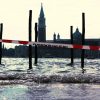
Climate Change-Related New Record-Breaking Events: It’s Time to Think Outside the Box
Recently, Italy declared a State of Emergency because of record-breaking flooding while on 11 November, it did not rain anywhere on the continent of Australia, also breaking a record.
IEDs: Tackling Terrorists’ Weapon of War
Some of the most memorable images of the late Diana, Princess of Wales, show her wearing a protective suit while touring a minefield in Angola in 1997 to raise awareness of the devastating effects of land mines.
Four Ways to Prevent Deaths from Lassa Fever
Dr. Wouter, a Dutch doctor who helped perform surgeries and train colleagues in surgical skills in underserved areas of Sierra Leone died of Lassa Fever. He was infected as a result of performing a Caesarean section on an infected pregnant woman.
Catalysing Change for Gender Equality
Great strides have been taken to empower women and girls in the Asia-Pacific region since the Fourth World Conference on Women in Beijing adopted an ambitious global agenda to achieve gender equality twenty-five years ago. Gender parity has been achieved in primary education. Maternal mortality has been halved. Today, the region’s governments are committed to overcoming the persistent challenges of discrimination, gender-based violence and women’s unequal access to resources and decision-making.
I am Generation Equality: Child Marriage Survivor & Activist
-- I am Generation Equality because… I didn’t want other girls to go through the same struggles I experienced. I got married when I was 14 years old. I had no idea what marriage was.
Businesses Have Key Role in Safeguarding Human Rights
Unanimously endorsed by the UN Human Rights Council in 2011, the Guiding Principles on Business and Human Rights are the authoritative global reference point articulating the responsibilities of companies to respect and protect human rights.
Social Protection Necessary to Quickly End Poverty, Hunger
Historically, most social security systems have developed in the formal sector of rich economies. However, most of the poor and hungry in the world live in rural areas, surviving in the informal economy.
Statistics and Stories – Time to Change the Refugee Narrative?
Statistics and stories. When aid agencies appeal for funding to tackle the latest refugee crisis and journalists do their reporting, then these are the two narratives most chosen -- one impersonal and the other upfront and individual. The sheer numbers can feel overwhelming. The UN refugee agency UNHCR says more than 70 million people are currently displaced by conflict, the most since the Second World War. Among them are nearly 26 million who have fled their countries (over half under the age of 18) and 3.5 million more are registered as asylum seekers.
Science & Policy Must Remain Partners in Mercury Challenge
It has been more than two years since the Minamata Convention on Mercury entered into force. The global treaty protects humans and the environment from the toxic metal, but countries are still stuck on how to measure the agreement’s effectiveness.
More Austerity for Developing Countries: It’s Bad News, and It’s Avoidable
After years of austerity, a number of Eurozone countries are now considering expansionary fiscal policies. And in the UK, government spending is set to return to levels last seen in the 1970s. But austerity abounds elsewhere in the world, including in some of the poorest countries.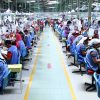
Global Clothing Brands Should Respond to the #MeToo Mandate
It has been two years since #MeToo went viral, and it’s about time the garment industry’s sexual harassment problem got the attention it deserves. Clothing and footwear brands can do much more to prevent and address gender-based violence in their supply chains, but first they need to confront how badly their inspection or “social auditing” programs fail women.
We Shouldn’t Expect Philanthropists to Fund Activism
Since philanthropists are unlikely to fund anything that destabilises their businesses, building independent institutions can be an effective approach to create lasting impact.
Green Steel
How Indonesian craftsmanship is undergoing a revival at the world’s first ‘bamboo university’. It’s fast-growing, flexible and strong. Standing underneath a bamboo canopy, it is easy to understand why people have been using this grass plant for years, in the construction of houses, bridges and scaffolding.« Previous Page — Next Page »





The views expressed in these articles are those of the authors and do not necessarily represent the views of, and should not be attributed to, IPS-Inter Press Service

The Week with IPS

NEXT STOP - SDGs
Tracking global progress towards a sustainable world
Tracking global progress towards a sustainable world
