Languages
Wednesday, September 30, 2026



News and Views from the Global South

SRI LANKA: Road Signs Indicate Better Times
The rough road is almost indistinguishable from the mud huts and dilapidated surroundings of this village - still pockmarked by the artillery duels of Sri Lanka’s fierce civil war that ended more than two years ago.
AFGHANISTAN: Fears of Being Left in the Cold after Troop Pullout
With the majority of international troops expected to withdraw over the next three years, there are growing doubts over donors' commitments to continue to support Afghanistan, one of the poorest countries in the world.
South-South Ties Reshape Aid Paradigm
When the G-8 countries, comprising the world’s largest industrialised nations, decided that improving Internet access to developing countries should be a priority, scores of leaders from developing world opposed the move.
CHINA: Slowing Down in Search of Happiness
Chinese essayist Zhou Zuoren once wrote that China should be experienced on a small wooden boat slowly gliding on its rivers, taking in its views. But arriving in Shanghai on the country's most advanced high-speed railway leaves little doubt that slow boats are no longer the way to romanticise China of today.Ecobreves – BRAZIL: Biodiesel Harmful to Marine Life
Biodiesel, a partially renewable agrofuel, generates fewer greenhouse gas emissions than gasoil, but could have negative impacts on marine life, warns a study by Brazil’s Universidade Estadual Paulista.Ecobreves – MEXICO: Adapting Transportation to Climate Change
Mexico should implement climate change adaption and mitigation policies in the transportation sector, recommends a non-governmental organization.Ecobreves – ARGENTINA: Grants for Environmental Activism
Greenpeace Argentina has launched a grant competition for young people, who would be provided with training and funding for campaigns aimed at solving environmental problems in their communities that are not being addressed.
Celebrity Power Boosts U.N.’s New Anti-Trafficking Campaign
It happens every day across the globe, with many of its young victims lured by false promises into the world's third most profitable criminal activity. This is human trafficking.New Deal for Donors and Recipients at Busan?
The Fourth High Level Forum on Aid Effectiveness (HLF4), starting in this port city on Tuesday, will examine why international donor assistance worth trillions of dollars spent over decades has failed to eradicate poverty.
U.S.: Nation’s Tallest Solar Tower Set for Arizona
In the western desert state of Arizona, a company called EnviroMission is planning to build a new solar tower, the first of its kind, an ambitious new way to produce energy with heat from the sun.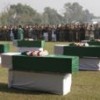
PAKISTAN: Anger Soars Over Attack
"Enough is enough. Pakistan should respond aggressively to these unprovoked and unwarranted NATO air strikes," says local shopkeeper Muhammad Omar. Public anger is boiling over as the Pakistani government takes tough action to cut supplies and other support to NATO forces in Afghanistan.
Arab Women Seek a Place in the Spring
As several countries in the Middle East and North Africa (MENA) elect bodies to write new constitutions, women are looking to expand their rights through legislation.
Mobilising Men to End Violence Against Women
Since it launched in 1997, the United Nations Trust Fund to End Violence Against Women has distributed more than 78 million dollars to 339 projects around the world, but even these resources fall far short, meeting less than five percent of demand.MIDEAST: Guarding Aggressors Against Victims
Ahmed Qaraeen walks with a limp, more than two years after he was shot twice, in the hip and left knee, by an Israeli settler near his home in the East Jerusalem neighbourhood of Silwan.ISRAEL: Not When Desert Is Home
"Anyone who lives sees, but he who moves sees more," a local Bedouin proverb has it. Caught in a web of roads and fences, electric cables and pylons, closed military training grounds and trails of Air Force jets, Bedouin Israelis have long been reduced to a half-hearted life of immobility.
CHILE: Student Protests Spread Throughout Region
In support of Chile's ongoing student protests, and voicing their own demands, thousands of people took to the streets in more than a dozen cities in Latin America Thursday demanding quality public education.
/CORRECTED REPEAT*/HAITI: Waiting Five Years for a Drop of Water – Part 1
2.5 million U.S. dollars to supply water to several marginal neighbourhoods in the capital. Approved in 2006. Five years later the water has yet to run. Children are still in the streets bearing bottles and buckets.
US: Battered Bodies, Broken Families: Remembering Immigrant Women
Today marks the first of "16 Days of Activism Against Gender Based Violence", a campaign launched in 1991 to insist that 'women's rights are human rights'.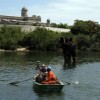
CLIMATE CHANGE: Cuba Joins New South-South Alliances
Cuba will be attending the next round of climate change negotiations after a year that has seen a growing consensus in the developing South to put pressure on rich nations to take on firmer commitments within an international governance regime for climate stability.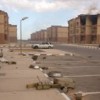
LIBYA: The Making of a Ghost Town
Embarka Omar crumbles when she sees the pictures of the Libyan city where she was born and lived until two months ago. "We will be back in Tawargha one day," the 25-year-old repeats to herself. The images say otherwise.EUROPE: Crisis Brings New Governments, Not New Politics
The change of government in five countries in Europe, brought about this year by the dramatic sovereign debt crisis that broke out in 2007 has so far failed to remove the original causes of the crisis.« Previous Page — Next Page »


The Week with IPS

NEXT STOP - SDGs
Tracking global progress towards a sustainable world
Tracking global progress towards a sustainable world
