Languages
Wednesday, November 11, 2026



News and Views from the Global South
Civil Society
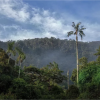
Biodiversity Credits: Solution or Empty Promise for Latin America?
Located in northwestern Colombia, the Bosque de Niebla is home to 154 species of plants, 120 bird species, 21 species of mammals, 16 water springs and five hectares of wetlands.
Debt & Crisis of Survival in Sri Lanka & the World
Sri Lanka has been faced with an unprecedented political and economic crisis since the beginning of 2022. The dominant narrative attributes the crisis to the confluence of the COVID-19 pandemic, the Ukraine conflict, China’s ‘debt trap diplomacy’ and – most importantly – the corruption and mismanagement of the ruling Rajapaksa family.
A Plea for a UN Summit on the Global Food Crisis
A coalition of civil society organizations, (CSOs), including climate activists, anti-poverty campaigners and celebrity chefs, are among those calling for an emergency meeting of world leaders on the global food crisis during the UN General Assembly (UNGA) sessions in New York next month.
UN Must Reclaim Multilateral Governance from Pretenders
International governance arrangements are in trouble. Condemned as ‘dysfunctional’ by some, multilateral agreements have been discarded or ignored by the powerful except when useful to protect their interests or provide legitimacy.
Moving From Trauma to Healing: Practicing Self-Care in Refugee Camps
A Rohingya woman tells a forum of peer counselors the story of her divorce. A survivor of domestic abuse, she has started a new life alone with her daughter. She has weathered a storm of neighbors telling her she was the problem. Now, she provides the support she didn’t have to other women like her.
Senegal: Democracy in the Balance?
Civic space is deteriorating in Senegal ahead of next February’s presidential election. Recent protests have been met with lethal violence and internet and social media restrictions. Senegal’s democracy will soon face a key test, and whether it passes will depend largely on whether civic space is respected.
Mexico’s Interoceanic Corridor Lacks Water
Due to insufficient pressure water does not make it up to Elliot Escobar's house in the Mexican municipality of Matías Romero, where he lives on the second floor, so he pipes it up with a hose from his sister's home, located on the first floor of the house shared by the two families.
Social Activists Demand Real Equality for Chilean Women
Women social activists recognize that gender equality is gaining ground in Chile, but maintain that there is still a long way to go to turn into reality the promises to "level the playing field" between women and men, while they highlight the importance of addressing the issue of care work.
International Youth Day 2023

Today, the world is embarking on a green transition. A shift towards an environmentally sustainable and climate-friendly world is critical.

Taking Stock of Two Decades of Trailblazing Protocol on Women’s Rights in Africa
It promised to be the most defining, groundbreaking, and transformative protocol on African women’s rights. Specific in its approach, broad in its reach, and unique in its all-encompassing nature, covering issues such as HIV/Aids, widow inheritance and property disinheritance in a most unprecedented manner.
Empowering Women in Assam: Livestock Farming Brings Economic Relief Post-COVID
Seema Devi is a 39-year-old woman hailing from India's northeastern state of Assam. She lives in a village called Milonpur, a small hamlet with no more than 1 000 inhabitants. While most men from the village, including Devi's husband, move to cities and towns in search of work, women are left behind to take care of the house and kids.
Cambodia’s Election a Blatant Farce
The title shouldn’t fool you: Cambodian Prime Minister Hun Sen is one of the world’s longest-ruling autocrats. A political survivor, this former military commander had been bolted to his chair since 1985, presiding over what he turned into a de facto one-party system – and now apparently a dynastic regime.
“No” to Sex Education Fuels Early Pregnancies in Central America
Pregnancies among girls and adolescents continue unabated in Central America, where legislation to prevent them, when it exists, is a dead letter, and governments are influenced by conservative sectors opposed to sex education in schools.
How Nigeria’s Legal System is Failing to Safeguard Widows’ Rights
In February this year, Chichi Okonkwo not only lost her husband but was stripped of everything they owned together. Her husband was severely injured in a car accident about a month earlier. Despite being rushed to a hospital in Enugu, where they resided, he succumbed to his injuries weeks later. To compound her grief, Okonkwo’s late husband's male siblings forcibly entered her home in the city a few hours after his passing, confiscating her husband’s land documents, car, money, clothes, and marriage certificate.
Afghan Girls, Women Deprived of Education, Find Hope in Africa
When providing education to her small group of Afghan girls, who had been studying at a boarding school back home, became tenuous, Shabana Basij-Rasikh, relocated them to Rwanda.
Civil Society Space in Southern Africa Shrinking as Government Repression Rises
Freedom of expression is under threat as governments in Southern Africa have enacted laws restricting civil society organizations, says global rights advocacy organisation, CIVICUS, warning that human rights violations are on the increase globally.
Nepal’s Same-Sex Marriage Breakthrough
Nepal is the latest country to join the global wave of marriage equality. On 28 June, its Supreme Court ruled that the government must immediately offer temporary registration of same-sex marriages, pending a change in the law. Around 200 couples reportedly sought to register as soon as the court judgment was made.
Vulnerable Women Suffer the Worst Face of Discrimination in Argentina
Remi Cáceres experienced gender-based violence firsthand. She struggled, got out and today helps other women in Argentina to find an escape valve. But because she is in a wheelchair and is a foreign national, she says the process was even more painful and arduous: "Being a migrant with a disability, it's two or three times harder. You have to empower yourself and it's very difficult."
Biodigesters Light Up Clean Energy Stoves in Rural El Salvador
A new technology that has arrived in rural villages in El Salvador makes it possible for small farming families to generate biogas with their feces and use it for cooking - something that at first sounded to them like science fiction and also a bit smelly.
Brazil Back on the Green Track
At a meeting with European and Latin American leaders in Brussels this July, Brazil’s President Lula da Silva reiterated the bold commitment he had made in his first international speech as president-elect, when he attended the COP27 climate summit in November 2022: bringing Amazon deforestation down to zero by 2030.
Transgender People Face Growing Violence, Discrimination in Pakistan
“The problems transgender people face start from their homes as their parents, especially fathers and brothers, look them down upon and disrespect them,” says 20-year-old Pari Gul.« Previous Page — Next Page »





 Representatives of Civil Society, Sierra Leone. Credit: UN Photo/Eskinder Debebe
Civil society faces mounting threats worldwide, even as it remains essential for democratic accountability, especially in countries struggling with economic instability and social inequality. However, at the same time, nations with weak democratic governance structures also systemically suppress the power of civil society. Human rights activists across the Global South frequently challenge issues such as political persecution and gender oppression, but in return face state-sanctioned punishment for their advocacy. Imprisonment and exile are common mechanisms of punishment that seek to erode the strength of civil society. The 2026 World Press Freedom Index has reached its lowest level in 25 years, with more than half of the world’s countries now falling into the "difficult" or “very serious” category for press freedom. IPS seeks to highlight the work of civil society across the Global South as well as the challenges that they face.
Updated by Yilan Batista and Shuli Wong August 2026

The Week with IPS

NEXT STOP - SDGs
Tracking global progress towards a sustainable world
Tracking global progress towards a sustainable world
