Languages
Thursday, October 8, 2026



News and Views from the Global South
Energy

Green Gas: Energy as a By-Product of Sugarcane in Brazil
First came sugar. For four centuries, it was the main sugarcane product in Brazil. But since the 1970s sugarcane has grown and diversified as a source of energy: ethanol, electricity and biogas.
Energy Inequality in Latin America Exacerbated by Pandemic, High Prices
The effects of the covid-19 pandemic and high energy prices have had an impact on the consumption of polluting fuels in Latin America and the Caribbean, exacerbating energy poverty in the region.
‘Great Mining Migration’: Power-Hungry Bitcoin Leaves China
On 14 April this year, the price of a single Bitcoin reached a then all-time-high of around US$64,870. Just over a month later, the price of the world’s most popular digital currency had tumbled to $34,259.
Climate Change: Adapt for the Future, Not the Past
Funding for developing countries to address global warming is grossly inadequate. Very little finance is for adaptation to climate change, the urgent need of countries most adversely affected. Also, adaptation needs to be forward-looking rather than only addressing accumulated problems.
Clean Energy Alone Won’t Uplift Impoverished Nations — We Must Invest in People
Last month, at the COP 26 climate conference in Glasgow, a consortium of philanthropies, led by The Rockefeller Foundation, announced a massive program to fund renewable electricity projects for impoverished people in developing countries.
Profiting from the Carbon Offset Distraction
Carbon offset markets allow the rich to emit as financial intermediaries profit. By fostering the fiction that others can be paid to cut greenhouse gases (GHGs) instead, it undermines efforts to do so.
Politicians Subsidise Fossil Fuel with Six Trillion Dollars in Just One Year
It sounds incredible: while politicians have been cackling about the climate emergency and profiling in empty promises to halt it, they have spent six trillion US dollars from taxpayers' money to subsidise fossil fuels in just one year: 2020. And they are set to increase the figure to nearly seven trillion by 2025.
Glasgow Summit Ends Amidst Climate of Disappointment
Developing countries will surely remember the Glasgow climate summit, the most important since 2015, as a fiasco that left them as an afterthought. That was the prevailing sentiment among delegates from the developing South during the closing ceremony on the night of Saturday Nov. 13, one day after the scheduled end of the conference.
Biofuels, the World’s Energy Past and Future
The number of victims of serious burns, some fatal, has increased in Brazil. Without money to buy cooking gas, the price of which rose 30 percent this year, many poor families resort to ethanol and people are injured in household accidents.
COP26 – New Toolkit to Boost Clean Energy Investments in Small Island Nations
A new toolkit launched in the margins of the UN Climate Change Conference COP26 aims to unlock clean energy investments for small island nations, many of whom rely heavily on imported fossil fuels for power generation.
Indigenous Peoples Want to Move Towards Clean Energy Sovereignty
In the community of Bella Bella on Turtle Island in the western Canadian province of British Columbia, the indigenous Heiltsuk people capture heat from the air through devices in 40 percent of their homes, in a plan aimed at sustainable energy sovereignty.
Combating Energy Poverty in Chile with Community Inclusion
More than 90 percent of Chile's 17.5 million people have access to electricity. But many live in energy poverty because they do not have access to hot water, have unsafe connections, houses without thermal insulation and with indoor pollution, or can't afford to pay the monthly bill.
Another Unenviable Annual Record for Global Greenhouse Gas Emissions
A few days before the international community gathers for COP26, widely considered the most important climate conference since the 2015 gathering which resulted in the Paris Climate Agreement, the World Meteorological Organization (WMO) is reporting that despite global hits in trade and travel by the COVID-19 pandemic, the concentration of greenhouse gases in the atmosphere reached a new high in 2020.
Latin America Heads to Glasgow Climate Summit with Half-Empty Hands
Latin America and the Caribbean are heading to a new climate summit with a menu of insufficient measures to address the effects of the crisis, in the midst of the impact of the covid-19 pandemic.
Cuba’s Power Crisis Drives Home Need to Accelerate Energy Transition
With aging infrastructure and problems with fuel supplies, Cuba is facing a crisis in its electric power generation system, which could accelerate plans to increase the share of renewable sources in the energy mix.
Climate Crisis Drives Up Cost of Electricity and Brings Big Changes in Brazil
As most of the world seeks to modify its energy mix to mitigate climate change, Brazil has also been forced to do so to adapt to the climate crisis whose effects are being felt in the country due to the scarcity of rainfall.
Argentina Takes Controversial Step Backwards in Biofuel Production
Argentina, historically an agricultural powerhouse, has become a major producer of biofuels in recent years. However, this South American country is now moving backwards in the use of this oil substitute in transportation, a decision in which economics weighed heavily and environmental concerns have been ignored.
Solar Energy Revitalises Indigenous and Farming Communities in Chile
Communities in Arica y Parinacota, the region in the extreme north of Chile, are using solar energy and are being empowered by projects for shrimp and trout farming, the production of yarn from camelid wool, the production of tomatoes and cheese, and even the sale of surplus solar power to the national electric grid.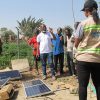
How Market Knowledge is Powering Africa’s Solar Irrigation Sector
‘Know your customers’ is arguably the first rule of marketing. By identifying and segmenting customer groups, companies can target their products and services to the right people, in the right way. This can open-up opportunities for growth, inform product development and improve customer retention.
China Struggles with Socio-environmental Standards in Latin America
In southeast Mexico, work on the Yucatan Solar Park, owned by the Chinese company Jinko Solar, has been halted since 2020 for lack of proper consultation with indigenous communities, after affected local residents filed an injunction against the project.
Suburban Living the Worst for Carbon Emissions – New Research
Work, education, entertainment, or simply better connectivity all draw people to cities. By the end of this century around 85% of the world population are predicted to live in cities.« Previous Page — Next Page »





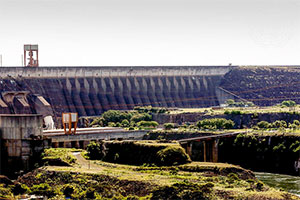 UN Power Plant, Paraguay. Credit: UN Photo/Evan Schneider
Energy has posed a great challenge for economies around the world. As global energy consumption skyrockets throughout the years, so does the need for sustainable solutions. The Sustainable Development Goals are essential in providing people with access to safe, affordable, and sustainable energy sources that minimize harm on the planet. Progress towards these goals opens the door for an advancement in modernization for communities on a global level and allows for a potential mitigation of tensions between nations.
The UN’s Summit of the Future in 2024 offered new initiatives that are being taken to achieve these goals, including a decreased reliance on fossil fuels, a switch to renewable energy sources, and improved climate financing.
IPS is well positioned to provide relevant, insightful, and compelling analysis of recent updates and measures being taken around the world to achieve a cleaner future.

The Week with IPS

NEXT STOP - SDGs
Tracking global progress towards a sustainable world
Tracking global progress towards a sustainable world
