Languages
Wednesday, October 21, 2026



News and Views from the Global South
Energy

OPINION: The Sad Future of Our Planet
It is now official: the current inter-governmental system is not able to act in the interest of humankind.
Dirty Energy Reliance Undercuts U.S., Canada Rhetoric at Climate Talks
While U.S. and Canadian officials delivered speeches about how the world needs to step up to their responsibilities at the U.N. climate negotiations in Lima, Peru, activists from North America demanded clear answers back home on their governments’ relationships with fossil fuel corporations, as well as the future of several major oil projects across the continent.
Renewable Energy: The Untold Story of an African Revolution
Africa is experiencing a revolution towards cleaner energy through renewable energy but the story has hardly been told to the world, says Achim Steiner, Executive Director of the United Nations Environment Programme (UNEP).
The Rapid Rise of Green Bonds
Most countries joining the growing list of nations pursuing clean geothermal power have been confronted with a huge financial challenge.
Divestment Campaign Aims to Bleed Dry the Fossil Fuel Industry
Even as the presence of major oil and gas corporations is nearly ubiquitous at the U.N. climate talks in the Peruvian capital known as COP20, fossil fuel divestment campaigns have gained ground in various countries and are moving to counter the influence of the "dirty energy" lobby here.
OPINION: Women Must Be Partners and Drivers of Climate Change Decision-Making
As leaders from around the world gather in Lima, Peru this week to discuss global cooperation in addressing climate change, a woman in Guatemala will struggle to feed her family from a farm plot that produces less each season.
Climate Neutrality – the Lifeboat Launched by Lima
Packed into stifling meeting rooms in the Peruvian capital, delegates from 195 countries are trying to find a path that would make it possible for the planet to reach climate neutrality in the second half of this century – the only way to avoid irreversible damage, scientists warn.
OPINION: Addressing Climate Change Requires Real Solutions, Not Blind Faith in the Magic of Markets
Norwegians know something of life in a climate change world. Migratory birds arrive earlier in spring, trees come into leaf before previously expected, and palsa mires (wetlands) are being lost as permafrost thaws.
“What’s Good for Island States Is Good for the Planet”
The lead negotiator for an inter-governmental organisation of low-lying coastal and small island countries doesn't mince words. She says the new international climate change treaty being drafted here at the ongoing U.N. Climate Change Conference “is to ensure our survival".
U.N.’s 17 Sustainable Development Goals Remain Intact
Secretary-General Ban Ki-moon has refused to jettison any of the 17 Sustainable Development Goals (SDGs) proposed by an Open Working Group of member states: goals aimed at launching the U.N.'s new post-2015 development agenda through 2030.
Iraqi Kurds Seek Greater Balance between Ankara and Baghdad
After a period of frostiness, Iraq’s Kurdistan Regional Government (KRG) and Turkey seem intent on mending ties, as each of the parties show signs of needing the other.
Q&A: Why Kyoto’s Clean Development Mechanism is at a Crossroads
The U.N. mechanism for supporting carbon emissions projects in developing countries – the Clean Development Mechanism (CDM) – is in crisis as a result of a dramatic slump in the prices being paid for carbon credits.
Climate Finance Flowing, But for Many, the Well Remains Dry
For more than 10 years, Mildred Crawford has been “a voice in the wilderness” crying out on behalf of rural women in agriculture.
OPINION: Japan’s Misuse of Climate Funds for Dirty Coal Plants Exposed
World governments gathered in Lima, Peru for the latest round of U.N. climate negotiations should have finance on their mind.
Will Rollout of Green Technologies Get a Boost at Lima Climate Summit?
The road towards a green economy is paved with both reward and risk, and policymakers must seek to balance these out if the transition to low-carbon energy sources is to succeed on the required scale, climate experts say.
First Phase of Global Fracking Expansion: Ensuring Friendly Legislation
Multinational oil and gas companies are engaged in a quiet but broad attempt to prepare the groundwork for a significant global expansion of shale gas development, according to a study released Monday.
OPINION: Climate Justice Is the Only Way to Solve Our Climate Crisis
In November, the world's top climate scientists issued their latest warning that the climate crisis is rapidly worsening on a number of fronts, and that we must stop our climate-polluting way of producing energy if we are to stand a chance of avoiding the worst impacts of climate change.
Shale Oil Threatens the High Prices Enjoyed by OPEC
Shale fever and the political chess among major oil producers and consumers have put OPEC in one of the most difficult junctures in its 54 years of history.
Rich Countries Pony Up (Some) for Climate Justice
It’s one of the oldest tricks in politics: Talk down expectations to the point that you can meet them.
Pro-Israel Hawks Take Wing over Extension of Iran Nuclear Talks
Buoyed by the failure of the U.S. and five other powers to reach a comprehensive agreement with Iran over its nuclear programme after a week of intensive talks, pro-Israel and Republican hawks are calling for Washington to ramp up economic pressure on Tehran even while talks continue, and to give Congress a veto on any final accord.
OPINION: Why Nuclear Disarmament Could Still Be the Most Important Thing There Is
At the height of the Cold War the world’s total arsenal of nuclear weapons, counted as explosive potential, may have amounted to three million Hiroshima bombs. The United States alone possessed 1.6 million Hiroshimas’ worth of destructive capacity.« Previous Page — Next Page »





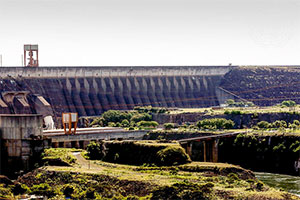 UN Power Plant, Paraguay. Credit: UN Photo/Evan Schneider
Energy has posed a great challenge for economies around the world. As global energy consumption skyrockets throughout the years, so does the need for sustainable solutions. The Sustainable Development Goals are essential in providing people with access to safe, affordable, and sustainable energy sources that minimize harm on the planet. Progress towards these goals opens the door for an advancement in modernization for communities on a global level and allows for a potential mitigation of tensions between nations.
The UN’s Summit of the Future in 2024 offered new initiatives that are being taken to achieve these goals, including a decreased reliance on fossil fuels, a switch to renewable energy sources, and improved climate financing.
IPS is well positioned to provide relevant, insightful, and compelling analysis of recent updates and measures being taken around the world to achieve a cleaner future.

The Week with IPS

NEXT STOP - SDGs
Tracking global progress towards a sustainable world
Tracking global progress towards a sustainable world
