Languages
Saturday, November 21, 2026



News and Views from the Global South
Food and Agriculture
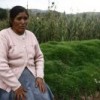
PERU: Rural Wisdom Against Climate Change
"The toads have disappeared from the countryside because of climate change, and now there is nothing to control the insects. Now we have to use chemicals to fight pests, and that is killing the soil," says worried Peruvian farmer Julián Pilco.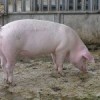
CLIMATE CHANGE: Wanted – Methane-Free Livestock
At first glance, the Riswick farm is just another modern agricultural facility: in the middle of broad cultivated fields stand recently built barns, similar to so many other farms across Europe.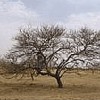
MALI: Small Farmers in the Carbon Market
Mohamed Abd Khibé is a caretaker at the acacia nursery in Dialoubé village, part of a project to sequester carbon in trees while simultaneously improving farmers' livelihoods.BRAZIL: Solidarity Economy Thriving
The initiatives were already there, in the form of cooperatives and a variety of related activities. But they have a new connectedness thanks to the growing solidarity economy, which has opened up new horizons for alternative forms of production and social relations.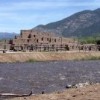
U.S.: Community in Crisis Looks to its Agricultural Roots
Renowned for its historic Native American pueblo, cultural ties to Spain, bohemian artists, and world-class ski resort, Taos is also one of the many communities in the U.S. facing food insecurity.DEVELOPMENT: India Holds Public Meetings on GM Food Crop
As India's central government begins a series of public meetings across the country this month on the commercial release of genetically modified (GM) brinjal – or eggplant - in this country, activists and farmers’ groups are mobilising to oppose such a plan.Q&A: Bolivian Women’s Right to Land Thwarted by Patriarchal Traditions
Bolivian legislation on land ownership is highly favourable to women, but a lack of awareness makes it difficult to enforce these laws and ensure that women are able to obtain - and maintain - control of the land they farm.
MALAWI: Green Belt Initiative Taking Shape
Let the rains fail, even for several successive seasons, and Malawi should still be able to produce enough to feed itself.AGRICULTURE: Three-Quarters of Hungry Are Rural Poor
Climate change, associated with a four-fold increase in natural disasters in the last decade, and the growth of world population, which is expected to reach nine billion by 2050, pose new challenges for aid initiatives like those of the United Nations World Food Programme (WFP).DEVELOPMENT: Japan’s Rude Awakening: Poverty Hurts
Japan may be one the world' biggest economies, but it is not immune to poverty.DEVELOPMENT: Clinton Lays Out U.S. Strategy
Secretary of State Hillary Clinton Wednesday pledged to make development, along with defence and diplomacy, "a central pillar" of U.S. foreign policy and results, rather than ideology, a guiding principle in devising development policy.DEVELOPMENT-FIJI: Amid Economic Slump, Children Face Bleak Future
Shonal Chand, 16, has ditched school to work full time to assist his financially struggling family. He sells pineapples, watermelons and other local seasonal fruits by the roadside six days a week.ZAMBIA: Bringing Phones to the Countryside
Cellular phones have quickly become a popular and effective means of communication in Zambia, but their use has been concentrated in urban areas. Government and NGOs are now trying to extend these services to rural people.ENVIRONMENT-INDIA: Creeping Deserts and Crouching Hunger
It is just the beginning of the year, but M. Manju Laxmi already feels anxious. In four months or so, she will be back to her old routine: stuffing the wide chinks under her weathered closed doors and windows with her old saris.
HEALTH-INDIA: Hunger Haunts Hospitals
As a nurse, Amita Dhaka sees much suffering, but what she finds hard to handle is inadequate nutrition and even hunger among poor in-patients.
COLOMBIA: Women Empowered by Restoring Desertified Land
Indigenous and rural women from southern Tolima, a province located in the heart of Colombia, are lending a hand to the bleak land around them, with the aim of simultaneously recovering the ecosystem and regaining their own dignity, in a community effort that is changing their environment and their lives.DEVELOPMENT: Have a Hungry New Year (No Don’t)
The world's hungry have good reason to look to the new year with trepidation given the experience of the 12 months that preceded it.HUNGER: New Warning on Food Security for Horn of Africa
The European Commission Humanitarian Aid Department (ECHO) has raised a red flag over the worsening food security situation in the Horn of Africa.
COLOMBIA: Farm Subsidy Scandal Exposes Corrupt Policies
The Attorney General's Office of Colombia is keeping a tight lid on developments in its investigation of 113 million dollars in farm subsidies handed out over the last three years to wealthy families, many of whom have no involvement in the agricultural sector whatsoever.AGRICULTURE: Cattle ‘Black Death’ Banished to History
An animal 'black death' that has devastated livestock around the world for thousands of years, causing famine and untold human misery, is about to be permanently consigned to the history books.SANITATION-ZAMBIA: Turning Urine Into Gold
When he ordered his colleagues at the Water and Sanitation Association of Zambia to save all their urine in a plastic bottle in the office toilet, they thought he was mad. But German sanitation specialist Christopher Kellner wanted to demonstrate why he calls urine "liquid gold".« Previous Page — Next Page »


 Farming on the Outskirts of Juba. Credit: UN Photo/JC McIlwaine
Promoting human and planetary health is a central focus of the United Nations, as laid out in the 2030 Sustainable Development Goals (SDGs). World hunger and unsustainable farming practices continue to be pressing concerns for the world. According to the 2025 State of Food Security and Nutrition in the World report by the Food and Agriculture Organization (FAO), 673 million people faced hunger in 2024. There are stark regional disparities, with the FAO projecting that 60% of the world population facing hunger will reside in Africa by 2030. Globally, the prevalence of food insecurity has remained consistently higher for women than men.
Sustainable and efficient national food systems are essential in preserving health, education, environmental well-being, peace, economy, and security. However, creating sustainable food systems can be a challenging endeavor, as food production takes a heavy toll on the environment. The agricultural sector accounts for a significant portion of greenhouse gases. Finding safe, sustainable, and ethical strategies to feed the world is crucial in ensuring planetary longevity. A recent initiative from 2023, the EU Regulation on Deforestation-free Products (EUDR), seeks to advocate for sustainable food systems. The main driver of deforestation is the expansion of agricultural land used to produce commodities like cattle, wood, cocoa, coffee, etc. The EUDR is part of the 2020 European Green New Deal and the EU Biodiversity Strategy for 2030 and aims to limit Europe’s consumption of products linked with deforestation by requiring that companies prove that their products are deforestation-free. Despite aiming to achieve major strides in sustainability, policies such as EUDR also raise socioeconomic concerns for targeted countries. Many emerging Latin American economies are impacted by the policy, and have raised the question of how developing countries can grapple with the tensions between economic development and advancing sustainability.
IPS has been at the forefront of providing compelling and insightful stories on communities facing hunger as well as the cost of food production. IPS uses statistics from FAO, the World Food Programme (WFP) and the International Fund for Agricultural Development (IFAD) to bring relevant and hard-hitting facts to readers. This gathering of information and data from such organizations helps bring the best stories from IPS journalists working in the different regions in consultation with experts on the ground.

The Week with IPS

NEXT STOP - SDGs
Tracking global progress towards a sustainable world
Tracking global progress towards a sustainable world

