Languages
Saturday, November 21, 2026



News and Views from the Global South
Food and Agriculture
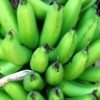
TRADE-EAST AFRICA: Going Bananas to Fight Poverty and Hunger
Arguably one of the world’s most popular fruits, bananas are poorly marketed as a value-added commercial crop in Africa. But that is about to change as a plan is being conceptualised to transform the way Africa produces and sells bananas.KENYA: Predicting Weather With Science and Spider Webs
When the magungu bird flies higher in the sky than usual and seems to float in the air in its passage from south to north, the Abasuba people living on the islands of Kenya's Lake Victoria and on the highlands near the lake know the rains are on their way and that it is time to plant.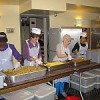
ECONOMY-US: Shelters and Soup Kitchens Hold Crisis Front Lines
Wall Street may be in the throes of agony, but business is booming at the Holy Apostles Soup Kitchen a bit farther north in the Manhattan neighbourhood of Chelsea.CARIBBEAN: Agriculture Literally Losing Ground
Natasha Neus of Suriname says it is crystal clear what Caribbean governments need to do to bring the region's food crisis under control.
CHILE: Native Community in Desert Oasis Threatened by Mines
The Diaguita indigenous community in Huasco Alto, surrounded by rich gold, silver and copper deposits in the northern Chilean region of Atacama, are engaged in a struggle to prevent mining projects from infringing on their territory and destroying their way of life and ancestral identity.
SRI LANKA: ‘Rice Paddies More Valuable Than Int’l Airport’
Sri Lankan rice farmers who fought against President Mahinda Rajapakse and his powerful brothers, trying to construct an international airport on their paddies, say they won because their cause was just and enjoyed popular support.
DOMINICAN REPUBLIC: A High-Tech Garden of Eden
Traffic crews on the switchback road signal drivers down to one lane as workers spray concrete on the mountain barrier to prevent landslides. The posted speed limit on the road to the 1,300-metre-high valley of Constanza, three hours north of the capital of Santo Domingo, often drops to 20 km an hour as the road winds along the high mountain ridges.SERBIA: Women Farmers Doubly Disadvantaged
Among disadvantaged women in Serbia, none seem worse off than farmers, a new study shows.HEALTH: WHO Warns Against ‘Bird Flu Fatigue’
So where is the pandemic? This is a question most often asked of health experts years after they warned about a pandemic influenza that could infect up to 35 percent of the world's population.
DEVELOPMENT: Is a Food Bank Answer to the Crisis?
Bangladesh, one of the world's 49 least developed countries (LDCs) described as the poorest of the poor, is calling for the creation of a global food bank.POLITICS-ZIMBABWE: Jury Still Out On Power Sharing
One would have thought the signing of the power-sharing agreement in Zimbabwe would mean it was safe for 25 Movement Democratic Change supporters to gather in celebration at a shopping centre in Buhera.EL SALVADOR: Increase in Poverty Driven by Soaring Food Prices
In the village of Talchiga in northeastern El Salvador, 20 families live in wooden shacks with earth floors, have no piped water, electricity or sewer services, and suffer from high levels of malnutrition.
PERU: Native Groups Hemmed in by Coca Threat
Small farmers from Peru’s impoverished Andean highlands provinces of Ayacucho are moving into indigenous land in the country’s central jungle region to grow coca.DEVELOPMENT-SIERRA LEONE: Living Off Scraps
Each morning, Mariama Kamara and her two teenaged sons walk to Freetown’s main rubbish dump. Their mission: to dig through the mounds of garbage in search of scrap metal.BOLIVIA: Water, Energy Everywhere – But Not for Locals
Peasant farmers in 42 villages along the Zongo valley in western Bolivia stand by and watch as the flourishing electricity industry harnesses the swift-flowing river while, paradoxically, their own farms are languishing from lack of water and energy.
AGRICULTURE-SOUTH AFRICA: GM Sorghum Test Approved
As Africa grapples with the question of food insecurity, biotechnology buffs seem to have an answer: genetically modified crops that could feed a continent vulnerable to famine and food deficits. But environmentalists warn of new dangers.CARIBBEAN: Bracing for U.S. Sneeze
While United States lawmakers debate the pros and cons of providing a 700-billion-dollar bailout for floundering financial firms, Caribbean countries are bracing for the cold that will follow the proverbial sneeze in Washington.
ARGENTINA: Guardians of the River
"There is no water...there are no fish," says Olga Ledesma, her skin weathered from 40 years of small-scale fishing, as the boat slowly winds its way along a branch of the Paraná river, South America’s second-longest river.
DOMINICAN REPUBLIC: Dreams of Being a Regional Breadbasket
On the second day of a conference here on agricultural development, Dr. Rene Villarreal awakened hundreds of technicians and farmers from a siesta, leaving the dais and walking from table to table, using a remote microphone.ECONOMY-CUBA: Speculate No More
The Cuban government is seeking to curb excessive food prices in farmers’ markets by cracking down on speculation and theft, which will benefit consumers but may discourage producers, according to economists.EUROPE: Preparing to Get at Resources of the Poor
European Union officials are drawing up a new strategy for giving multinational companies greater access to minerals and wood located in poor countries.« Previous Page — Next Page »


 Farming on the Outskirts of Juba. Credit: UN Photo/JC McIlwaine
Promoting human and planetary health is a central focus of the United Nations, as laid out in the 2030 Sustainable Development Goals (SDGs). World hunger and unsustainable farming practices continue to be pressing concerns for the world. According to the 2025 State of Food Security and Nutrition in the World report by the Food and Agriculture Organization (FAO), 673 million people faced hunger in 2024. There are stark regional disparities, with the FAO projecting that 60% of the world population facing hunger will reside in Africa by 2030. Globally, the prevalence of food insecurity has remained consistently higher for women than men.
Sustainable and efficient national food systems are essential in preserving health, education, environmental well-being, peace, economy, and security. However, creating sustainable food systems can be a challenging endeavor, as food production takes a heavy toll on the environment. The agricultural sector accounts for a significant portion of greenhouse gases. Finding safe, sustainable, and ethical strategies to feed the world is crucial in ensuring planetary longevity. A recent initiative from 2023, the EU Regulation on Deforestation-free Products (EUDR), seeks to advocate for sustainable food systems. The main driver of deforestation is the expansion of agricultural land used to produce commodities like cattle, wood, cocoa, coffee, etc. The EUDR is part of the 2020 European Green New Deal and the EU Biodiversity Strategy for 2030 and aims to limit Europe’s consumption of products linked with deforestation by requiring that companies prove that their products are deforestation-free. Despite aiming to achieve major strides in sustainability, policies such as EUDR also raise socioeconomic concerns for targeted countries. Many emerging Latin American economies are impacted by the policy, and have raised the question of how developing countries can grapple with the tensions between economic development and advancing sustainability.
IPS has been at the forefront of providing compelling and insightful stories on communities facing hunger as well as the cost of food production. IPS uses statistics from FAO, the World Food Programme (WFP) and the International Fund for Agricultural Development (IFAD) to bring relevant and hard-hitting facts to readers. This gathering of information and data from such organizations helps bring the best stories from IPS journalists working in the different regions in consultation with experts on the ground.

The Week with IPS

NEXT STOP - SDGs
Tracking global progress towards a sustainable world
Tracking global progress towards a sustainable world

