Languages
Friday, November 20, 2026



News and Views from the Global South
Health
JAPAN: Women Changing the Face of Politics, Slowly but Almost Surely
Junko Hamada, 59, is now in her 12th year as an elected member of the city council of Isehara, a sprawling bed town west of Tokyo with an estimated population of 150,000.
EAST AFRICA: Global Players Behind Anti-Counterfeit Law Campaign
The international push behind Kenya’s controversial Anti-Counterfeit Act of 2008 dates back as far as October 2006 when the World Customs Organisation held its first intellectual property rights (IPRs) seminar in Kampala, the capital of neighbouring Uganda, focusing on East African governments’ enforcement of these rights.INDIA: Rising Use of Emergency Contraceptives Raises Alarm
When Sunita Sanyal (last name changed) complained of intense headache and vomiting, her mother presumed it was just pre-examination jitters. After all, Sunita’s business management finals were just a week away.Reclaiming the Streets
Cars promise mobility, and in a largely rural setting they provide it. But in an urbanising world, where more than half of us live in cities, there is an inherent conflict between the automobile and the city.
RIGHTS-PAKISTAN: Green Initiative Gives Hope to the Disabled
Talib Hussain, 29, became the sole breadwinner of his family of seven after his father suffered a stroke that left him half paralysed. Hussain brings home 4,000 Pakistani rupees (about 47 U.S. dollars) monthly, which he dutifully turns over to his mother.
MALAWI: “Commotion About Anti-Counterfeit Bill Is Unnecessary”
The Malawian government intends to pass a new bill against counterfeit goods by October which will also cover medicines. This step is being taken despite fears that such a law may cause more stock-outs in a country that is already riddled with drug shortages in medical facilities.Haitian Group Honoured for AIDS Work, Earthquake Aid
A non-profit group founded in Haiti nearly three decades ago to fight what was then a mysterious killer disease later identified as AIDS has been awarded the prestigious 2010 Gates Award for Global Health.JAPAN: Gloom Grips Land of the Rising Sun
Mitsuko and Koji Iwatsuki, both in their senior years, spend their days taking walks, playing golf occasionally and going on foreign trips once a year.PAKISTAN: TB-Afflicted Women Struggle to Overcome Social Stigma
Abdul Wahid’s wife had been unwell for two years, showing symptoms of a chronic infectious disease such as prolonged coughing, before she finally decided to see a doctor.PERU: Glass of Milk Half Empty
The "Glass of Milk" Programme, created in 1985 in Peru to provide a nutritional supplement for the most vulnerable population, specifically children up to six years old and pregnant and nursing women, is undermined by poor oversight, according to an audit by the Comptroller General's Office.
African Grandmothers Demand Support in Role as Caregivers
"Africa cannot survive without us," is the message from grandmothers representing all corners of the continent.World Bank Boosts Commitment to Lower Maternal Mortality
The World Bank intends to ramp up spending on family-planning and related initiatives to reduce maternal mortality, improve reproductive health, and reduce fertility rates in nearly 60 developing countries, particularly in sub-Saharan Africa, according to a new five-year plan released by the Bank here this week.New U.S. Drug Strategy Still Heavy on Enforcement
Along with an expanded focus on domestic prevention and treatment, the U.S. will make a renewed effort to disrupt the flow of narcotics into its borders and weapons and money out of them, according to the White House's long-anticipated National Drug Control Strategy released Tuesday.LATIN AMERICA: Plan to Eradicate HIV, Syphilis in Newborns in Five Years
With the right treatment, mother-to-child transmission of congenital syphilis and HIV, the AIDS virus, can be prevented. But every year, thousands of babies are still being born with these diseases in Latin America and the Caribbean.MEXICO: “They’re Killing Us Anyway”
"Fuera Ecoltec!" (Get out Ecoltec!) protesters chanted in a demonstration Sunday in the Mexican town of Apaxco, one year after the start of a community blockade of a toxic waste processing plant run by a Swiss company.Success of “The Pill” Overshadowed by Family Planning Gaps
The birth control pill, currently used by an estimated 100 million women worldwide, commemorated its 50th anniversary last week - but remains controversial in some quarters.SOUTH AFRICA: Public Sector Struggling with Shortages of 80 Drugs
South Africa is experiencing a shortage of over 80 different drugs in its public health sector, including flu vaccinations and medication for tuberculosis and high blood pressure. The severity of shortages varies from province to province and hospital to hospital, depending on the leadership and skills levels of management.Q&A: “Concern About Anti-Counterfeit Campaign Is Alarmist”
Civil society criticism that the anti-counterfeit policy drive in East Africa could result in the blocking of legitimate and affordable generic medicines is merely aimed at raising fear among the region’s inhabitants.Nuclear Power Nearly as Dangerous as Weapons, Critics Say
The quest for nuclear disarmament is likely to fail if governments and corporations continue to promote nuclear technologies as a solution to the world's energy needs, say independent experts.
Q&A: Anti-Counterfeit Policy Will Provide “Proper” Generics
The anti-counterfeit draft policy and law that the East African Community (EAC) is currently considering will ensure access to "proper" generic medicines and not fakes, EAC secretary general Juma Mwapachu says in defence of a policy which is criticised as blocking affordable and legitimate generic medicines.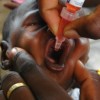
Chad Redoubles Efforts Against Polio
The polio vaccination campaign under way in Chad has added significance in 2010. The country recorded zero polio cases in 2004, but 66 cases of wild polio were reported in 2009, according to the Global Polio Eradication Initiative.« Previous Page — Next Page »


 Bangladesh: Sarid, born one month early, receives specialized newborn care and grows stronger every day. Credit: UNICEF/UNI944397/Mojumder
Since the onset of the 2000s, global life expectancy has seen an overall rise, attributed to significant technological and scientific innovations in healthcare. Due to an increased understanding of different conditions as well as a rise in cooperation among healthcare experts around the world, there have been major strides made in ensuring that as few people die from chronic illnesses as possible. Despite the belief that healthcare is a fundamental human right, people from low- or middle-class backgrounds, marginalized groups, and underdeveloped countries have far more limited access to basic healthcare services.
The COVID-19 pandemic showed how marginalized communities are disproportionately affected by health crises, proving that we have much work to do in ensuring that no one dies of terminal conditions. While the global response to the coronavirus saw significant strides in immunization and vaccine development, the global outbreak of mpox in 2022 and its upsurge in parts of Africa in 2024 must remind us to remain vigilant.
Other major disease outbreaks in recent years have been linked to the destruction of infrastructure during warfare. Notably, in 2024, the Gaza Strip witnessed a return of the poliovirus since its eradication in the region 25 years ago. Israel’s blockade on Gaza has resulted in the collapse of the region’s sewage plants and desalination plants, and also destroyed healthcare capacities. The UN stated that this lack of clean water and sanitation would lead to an outbreak of cholera and other deadly infectious diseases. The 2026 OCHA Humanitarian Situation Report confirmed that the over two years of conflict in Gaza has produced a catastrophic health emergency, with millions remaining dependent on relief aid amid tight restrictions and no functioning public health system.
IPS is committed to providing full and comprehensive coverage on healthcare challenges around the world. IPS seeks to address the multifaceted causes of such challenges, including unprecedented pandemics, conflict-driven disease outbreaks, as well as socioeconomic barriers to equal healthcare access. IPS is also dedicated to reporting on innovations in the healthcare industry.

The Week with IPS

NEXT STOP - SDGs
Tracking global progress towards a sustainable world
Tracking global progress towards a sustainable world
