Languages
Tuesday, September 1, 2026



News and Views from the Global South
Health
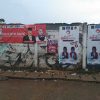
What Indonesia’s Local Elections Mean for National Politics
In just over a day, on 9 December, Indonesia holds 270 simultaneous local elections for executive office. This involves nine of the republic’s 34 governors, 224 of 416 bupati (district chiefs) and 37 of 98 mayors. The polling was initially scheduled for 23 September but the independent KPU (General Elections Commission) put the date back to 9 December due to the Covid-19 pandemic.
La Niña Weather Phenomenon Could Endanger Colombia’s Food Security
After ten years without a strong La Niña weather phenomenon in Colombia, the climate pattern, coupled with the COVID-19 pandemic, could create a vacuum in food production and supply. Multilateral organizations, along with the Colombian government, are trying to implement measures to reduce malnutrition risk. Still, the population is already overwhelmed by a year of struggles that have deepened socio-economic differences.
Urgently Needed Deficit Financing No Excuse for More Fiscal Abuse
Fiscal and monetary measures needed to fight the economic downturn, largely due to COVID-19 policy responses, require more government accountability and discipline to minimise abuse. Such measures should ensure relief for the vulnerable, prevent recessions from becoming depressions, and restore progress.
Misinformation on Social Media Fuels Vaccine Hesitancy: a Global Study Shows the Link
Vaccine hesitancy is a severe threat to global health, according to the World Health Organisation (WHO). The term refers to the delay in acceptance or the refusal of vaccines, despite the availability of vaccination services. It’s a serious risk to the people who aren’t getting vaccinated as well as the wider community.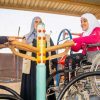
Persons With Disabilities Among Worst Affected by Coronavirus
The 13th session of the Conference of States Parties (COSP) that was initially supposed to be held in New York back in June recently wrapped up with the final session coinciding with the International Day of People with Disabilities, whose theme, this year was on the issue of building back better inclusively.
Lost in Translation? Understanding Relevance of Women, Peace & Security in Arms Control & Disarmament
“What does the Women, Peace and Security Agenda have to do with arms control and disarmament?”. Under varying formulations, this question keeps coming up whenever someone refers to the Women, Peace and Security (WPS) Agenda as a basis for ensuring that women’s voices and their specific security needs were taken into account in multilateral arms control discussions.
Keeping Climate Ambition Alive: Challenges Remain but Signs of Progress Abound
For those of us in the international climate action community, 2020 isn’t ending the way we expected when we rang in the new year. Even before 2020 dawned, countries were hard at work planning for their first updated Nationally Determined Contributions (NDCs), in line with the Paris Agreement’s five-year NDC revision cycle. NDCs are official statements, prepared by countries themselves, outlining the commitments they are making to reduce national emissions and adapt to climate change’s impacts. They are at the heart of putting the Paris Agreement into practice and pursuing action on a global scale.
How to Reap the Benefits of Food as Medicine
COVID-19 has magnified global food insecurity and is driving unhealthy eating and worsening malnutrition, food experts say. They have called for deliberate global investment in food as medicine on the back of growing diet-related illnesses.
Digitisation Could Transform African Agriculture
Placing an online order for farming inputs saves Velebantfu Dlamini about USD12 in transport fees for a round trip of about 320 kilometres. The 26-year-old vegetable farmer from Nkhungwini in the Shiselweni Region, south of Eswatini, uses a portal to order from the National Agriculture Marketing Board (NAMBoard) Farm Store. NAMBoard then delivers his order leaving Dlamini with time to stay in the field and look after his crops.
US Presidential Election Part 3: President Trump’s Legacy of Mismanagement of the Pandemic
Covid-19 is on track to be the deadliest and one of the most catastrophic epidemics since the 1918-1919 flu pandemic, which infected about 500 million people or one-third of the world’s population at the time. The number of deaths was estimated somewhere between 17 and 50 million, and possibly as high as 100 million worldwide.
Pandemic, ‘Great Reset’ and Resistance
According to the Center for Systems Science at Johns Hopkins University, as of November 29th, there have been 62,150,421 COVID-19 cases, including 1,450,338 deaths.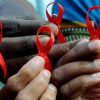
Battles Won – and Lost – Against AIDS Hold Valuable Lessons for Managing COVID-19
World AIDS Day this year finds us still deep amid another pandemic – COVID-19. The highly infectious novel coronavirus has swept across the world, devastating health systems and laying waste to economies as governments introduced drastic measures to contain the spread. Not since the HIV/AIDS pandemic of the 1990s have countries faced such a common health threat.
Women Empowerment During COVID-19 Through Remote Learning – the Fuzia Perspective
This year, the world commemorated the 25th anniversary of the Beijing Declaration and Platform for Action, instead of celebration; however, its progress has been impeded by the COVID-19.
UN Special Session on COVID-19 Must Recognize Right to Health & Access to Vaccines
The holding of this Special Session (the 37th in the history of the UN) is of considerable importance. It is a unique opportunity to define and implement joint actions at the global level to fight the pandemic in order to ensure the right to life and health for all the inhabitants of the Earth. As the President of the UN General Assembly wrote in his letter of convocation: "Let us not forget that none of us are safe until we are all safe".
Africa Should Be at the Forefront of a Global Response to COVID-19
As COVID-19 swept across the globe, one thing became clear: a well-functioning, well-resourced, agile and resilient health system can mean the difference between life and death.
Millions of New Poor Are on the Way – Who Cares?
The recent meeting of the G20 – scheduled to take place in Riyadh but held virtually due to the Coronavirus pandemic – has been an eloquent example of how the world is drifting, in a crisis of leadership.
Food as Prevention – Rising to Nutritional Challenges
The risks factors contributing to the dramatic rise in non-communicable diseases (NCDs) in recent decades have been known for a long time but the Covid-19 pandemic has brutally exposed our collective failure to deal with them.
Does WFP Deserve the Nobel Peace Prize?
On 10 December, representatives for the World Food Programme (WFP) will in Norway receive the Nobel Peace Prize at the Oslo City Hall. This is taking place while the COVID-19 pandemic is causing lock-downs and suffering all over world, limiting agricultural production and disrupting supply chains.
Japan Should Lead Charge for Equitable Access to COVID-19 Vaccines
Japan should step up and play a role as a global facilitator for equitable access to COVID-19 vaccines, Dr Daisaku Higashi said at a recent Japan Parliamentarians Federation for Population (JPFP) study meeting.
Tobacco Industry Capitalizes on Pandemic to Increase Influence in Low- and Middle-Income Countries
While the COVID-19 pandemic has elevated public health to a top priority in every country in the world, it has left many poorly resourced governments receptive to any and all aid that can provide immediate assistance to help their people.
Racial Discrimination Ages Black Americans Faster, According to a 25-Year-Long Study of Families
I’m part of a research team that has been following more than 800 Black American families for almost 25 years. We found that people who had reported experiencing high levels of racial discrimination when they were young teenagers had significantly higher levels of depression in their 20s than those who hadn’t. This elevated depression, in turn, showed up in their blood samples, which revealed accelerated aging on a cellular level.« Previous Page — Next Page »


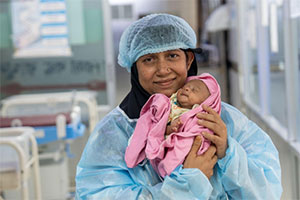 Bangladesh: Sarid, born one month early, receives specialized newborn care and grows stronger every day. Credit: UNICEF/UNI944397/Mojumder
Since the onset of the 2000s, global life expectancy has seen an overall rise, attributed to significant technological and scientific innovations in healthcare. Due to an increased understanding of different conditions as well as a rise in cooperation among healthcare experts around the world, there have been major strides made in ensuring that as few people die from chronic illnesses as possible. Despite the belief that healthcare is a fundamental human right, people from low- or middle-class backgrounds, marginalized groups, and underdeveloped countries have far more limited access to basic healthcare services.
The COVID-19 pandemic showed how marginalized communities are disproportionately affected by health crises, proving that we have much work to do in ensuring that no one dies of terminal conditions. While the global response to the coronavirus saw significant strides in immunization and vaccine development, the global outbreak of mpox in 2022 and its upsurge in parts of Africa in 2024 must remind us to remain vigilant.
Other major disease outbreaks in recent years have been linked to the destruction of infrastructure during warfare. Notably, in 2024, the Gaza Strip witnessed a return of the poliovirus since its eradication in the region 25 years ago. Israel’s blockade on Gaza has resulted in the collapse of the region’s sewage plants and desalination plants, and also destroyed healthcare capacities. The UN stated that this lack of clean water and sanitation would lead to an outbreak of cholera and other deadly infectious diseases. The 2026 OCHA Humanitarian Situation Report confirmed that the over two years of conflict in Gaza has produced a catastrophic health emergency, with millions remaining dependent on relief aid amid tight restrictions and no functioning public health system.
IPS is committed to providing full and comprehensive coverage on healthcare challenges around the world. IPS seeks to address the multifaceted causes of such challenges, including unprecedented pandemics, conflict-driven disease outbreaks, as well as socioeconomic barriers to equal healthcare access. IPS is also dedicated to reporting on innovations in the healthcare industry.

The Week with IPS

NEXT STOP - SDGs
Tracking global progress towards a sustainable world
Tracking global progress towards a sustainable world
