Languages
Wednesday, September 30, 2026



News and Views from the Global South
Inequality

Sand Poachers Fueling Environmental Harm in Zimbabwe
In Chitungwiza, right next to the highway, 36-year-old Nesbit Gavanga and his five colleagues use shovels as they load trucks with sand. The six apparently are in the business of sand-poaching and openly explain that every other day they engage in running battles with environmental officials who seek to curtail land degradation here. The group’s informal sand quarry lies 25 kilometers southeast of the Zimbabwean capital Harare.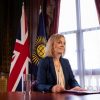
Eight International Development Priorities for the new UK Prime Minister
The UK’s new Prime Minister (and former Foreign Secretary), Liz Truss, enters Downing Street with a full and urgent in-tray, dominated by the highest inflation rate for 40 years and concerns across the country about the cost-of-living crisis.
The Right Policies Can Protect the Workers of Asia and the Pacific
Most of the 2.1 billion strong workforce in Asia and the Pacific are denied access to decent jobs, health care and social protection but there is an array polices and tools that governments can use to remedy these deficiencies and ensure that the rights and aspirations of these workers and their families are upheld and that they remain the engine of economic growth for the region.
The Dying Children Divide
The chances of a child dying before reaching age five years have dropped substantially worldwide during the recent past. However, a significant divide remains among countries as well as within regions in the chances of children dying.
Special Economic Zones: A Nod Towards Capitalism in Venezuela
Venezuela is preparing to replicate the experience of Special Economic Zones (SEZs), a mechanism with which more than 60 countries have tried to draw investment and accelerate economic growth, while under its avowedly socialist government a "silent neoliberalism" is gaining ground.
Transforming Girls’ Education, Changing The World
As we approach this year’s Transforming Education Summit, global leaders can and must prioritize expertise and mobilize political will to support efforts to ensure inclusive and quality education for all, especially girls. This is at the heart of Sustainable Development Goal 4 in the 2030 Agenda for Sustainable Development, as well as the commitments made in the Charlevoix Declaration and the G7 Declaration on Girls’ Education.
Monster Monsoon: “Pakistan and Its People Are Paying the Costs of What They Are Not Responsible For.”
Pakistan has been going through the worst time of its recent history due to unprecedented colossal monsoon rains and devastating floods. The current floods would have been expected less than once a century, but climate experts claim that what we are seeing today is just a trailer of what’s in store for us if we don’t pay heed to climate change. More than 112 districts are currently afffected and around 30 million people; their property and land are totally devastated. Across the country, where hundreds of thousands of cattle died due to the Lumpy Skin Disease, now more than 727,000 have perished due to floods and rains. The number is increasing rapidly.
A Tale of the Spanish Neckties and Other Made-in-Europe Things
Shortly before the 25 August approval by the Spanish Parliament of the government’s plan to save energy, the country’s right and far-right opposition parties revived their debate about an earlier suggestion of not wearing neckties in the Spanish Congress and Senate and other official institutions.
Shaping Our Digital Future
Asia and the Pacific is the most digitally divided region of the world, and South-East Asia is the most divided subregion. The Covid-19 pandemic detonated a “digital big bang” that spurred people, governments and businesses to become “digital by default;” a sea change that generated vast digital dividends. These benefits that have not been distributed equally, however. New development gaps have emerged as digital transformation reinforces a vicious cycle of socioeconomic inequalities, within and across countries.
How France Underdevelops Africa
Most sub-Saharan African French colonies got formal independence in the 1960s. But their economies have progressed little, leaving most people in poverty, and generally worse off than in other post-colonial African economies. Decolonization? Pre-Second World War colonial monetary arrangements were consolidated into the Colonies Françaises d’Afrique (CFA) franc zone set up on 26 December 1945. Decolonization became inevitable after France’s defeat at Dien Bien Phu in 1954 and withdrawal from Algeria less than a decade later.
“The Worse, The Better” Doctrine and the Melting Ice
‘There is a prevailing doctrine among the right and far-right political parties who are still in the opposition and are most likely to jump to power in those countries where they are not already ruling. It is the doctrine of “the worse things go, the better for us.”
Yezidis in Armenia: From Reincarnation to Exodus
There are those cows watching the fight in the mud of rusty Soviet cars; there are those tethered dogs that bark next to bathtubs full of rainwater, or those cats that frolic in freedom. This is Armenia, a state of three million deep in the heart of the Caucasus region.
The Hunger Factory (II): The Modern Horsemen of the Apocalypse
While often too quickly attributing -quasi exclusively- the world unprecedented hunger tragedy to the current proxy war in Ukraine, other major causes remain hidden in plain sight.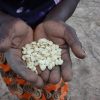
The Hunger Factory (I): The Miracle of the Sudden Rise and Fall of Food Prices
The benchmark for world food commodity prices declined “significantly” in July, with major cereal and vegetable oil prices recording double-digit percentage declines.
Women Have Always Trailed Men in Research Output: How COVID Made the Situation Worse
The under-representation of women in research is well documented. Emerging evidence suggests that the COVID-19 pandemic has exacerbated this inequality and disrupted the research enterprise globally.
Racism Erased (and Erases) Black Intellectual Contribution to Brazilian History
The battle against racism and inequality will be a long one in Brazil, because a prejudice against the intellectual capacity of blacks is a problem rooted in the national culture, and even in the minds of Afro-Brazilians themselves, as well as highlighted in the country's official history.
What Makes a Human Rights Success? PODCAST
 The largest ever settlement in Canadian legal history, 40 billion Canadian dollars, occurred in 2022, but it didn’t come from a court – it followed a decision by the Canadian Human Rights Tribunal. In 2016 the Tribunal affirmed a complaint that the Government of Canada’s child welfare system discriminated against First Nations children. (First Nations are one of three groups of Indigenous people in Canada).
Canada Lags in Providing for Children, Especially Marginalized Kids
Canada and its major cities consistently appear in Top 10 lists of best places in the world to live. But delve into figures about children’s lives in the northern nation known for ice hockey heroics and you see a different picture.
Not a World for Young People
Many of us assume that an identification with a certain gender, race, nation or even age makes us particularly knowledgeable. When it comes to age, it is in most cultures of the world assumed that age and experience favour wisdom. I am not entirely sure about that, though I am convinced that as we grow older we tend to overestimate our own knowledge and importance. An arrogance that might burden and even marginalize the youth.
Abortion in Canada—Legal for Decades But Hindered by Stigma
Toronto resident Miranda Knight describes her abortion experience as relatively simple. After finding out she was pregnant on a Wednesday in 2017, she booked an appointment at an available clinic and got one for the following Monday. She had the procedure that day and left the clinic by noon.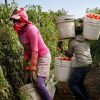
Hundreds of Millions of Human Workers Treated Worse than Robots
While the world’s big private business pours billions of dollars in producing automatic machines and assuring their optimal functioning, bareley no money has been invested in the hundreds of millions of human workers, who are left shockingly unprotected, treated like cheap robots, or even worse.« Previous Page — Next Page »


This page includes independent IPS news coverage supported by the Norwegian Ministry of Foreign Affairs, to put the issue of inequality higher up the news agenda during the run-up to the 2015 MDG deadline and the process to forge a new development consensus
