Languages
Friday, October 23, 2026



News and Views from the Global South
Inequality

Absence of Reproductive Care Haunts Syrian Displaced Women
Pregnant women in northern Syria's camps for internally displaced people fear about their health and the health of their unborn children because of a lack of basic medical care and a healthy diet. These conditions exacerbate the illnesses and challenges faced by women, particularly amid the region's widespread poverty, food insecurity, and the remoteness of hospitals and health centers from the camps.
Various Uncertainties Block Indigenous Land Rights in Brazil
A never-ending battle threatens the indigenous rights that seemed clear and secure in Brazil, until the extreme right emerged in 2018 with a force challenging the civilisational advances set out in the Constitution.
Rizwana Hasan Vows to Ensure Justice for Those Killed During Bangladesh’s Quota Reform Movement
Justice for all those who died and suffered injuries during the recent student-led quota reform movement in Bangladesh and reforms to the systems to ensure that this justice takes place are not negotiable, an adviser to the Bangladesh interim government, Syeda Rizwana Hasan, told IPS in an exclusive interview
Water Stories: The Well Seven Families and 400 Buffaloes Rely On
In the rural village of Khardariya in the Dang district of Nepal, access to clean water is a major issue. Villagers depend on one poorly managed well for drinking water, cleaning, and feeding livestock. Anjana Yadav stood near the well while a neighbor walked toward it to fetch a bucket of water.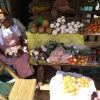
What Potential Do Gender Bonds Have For Increasing Financing For Gender Equality?
Iceland’s gender bond last month caused great excitement in the capital markets community. While gender bonds have been increasing in popularity within the private sector, Iceland is the first country to issue a sovereign gender bond. Many in the development community are however asking, are gender bonds the solution to financing for gender equality?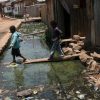
G20 Leaders Must Listen To Their People and Agree To Tax the Ultra-Rich
We are living in a world of multiple crises of inequality, climate breakdown and conflict. Billions of people globally are facing huge hardship. Whole governments, too, are virtually bankrupt, with extremely high debt levels forcing them to implement brutal and deeply unpopular cuts and tax rises for ordinary people. 3.3 billion people live in countries that spend more on debt interest payments than on either education or health.
UN Calls for ‘Peaceful, Orderly and Democratic Transition’ Following Protests in Bangladesh
After weeks of violent clashes against protestors, Bangladesh Prime Minister Sheikh Hasina resigned from her position and fled the country on Monday. Preparations are underway for an interim government to take over with the backing of the military, political parties, student leaders of the protest movement and all other groups involved in the transition. A UN spokesperson has urged that all parties involved in the current transition should work together to ensure a peaceful and democratic transition.
Nigeria: Why #EndBadGovernanceInNigeria Protests Gained Traction
Thousands of Nigerians have taken to the streets to protest against bad governance, corruption, soaring inflation, and the rising cost of living, in what has been termed "10 Days of Rage" and believed to mirror Kenyan protests organized by the youth. Nigeria, Africa's most populous country and a major exporter of crude oil, citizens claim that the benefits of the country's resources do not trickle down to the masses but to a group of corrupt politicians.
Chilean Fisherwomen Seek Visibility and Escape from Vulnerability
The number of organisations that bring together fisherwomen who seek to be recognised as workers, make their harsh reality visible and escape the vulnerability in which they live is growing in Chile.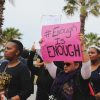
Femicide and Reproductive Violence Harm African Women, Girls
International African Women’s Day on July 31 recognizes the contribution of African women toward political, social, and economic freedom on the continent. But gender equality is still not a reality for most African women.
At Paris Olympics, Art Runs in Tandem with Sports
As cheers from beach-volleyball fans fill the air at the Eiffel Tower Stadium on a steamy, sunny day, pedestrians just down the road are enjoying another kind of show: an outdoor exhibition of huge photographs gleaming on the metal railings of UNESCO headquarters.
The Price Women Pay for Climate Change
Global warming, widely believed to be a universal crisis, will actually impact girls and women far more than boys and men. It is already known that we live in a patriarchal world, one in which men are afforded far greater opportunities for success while women generally hold less societal power and have access to fewer resources. This especially pertains to developing countries in which agriculture related work, usually delegated to females, depends on a variety of environmental factors and subsequently, significantly hurts their livelihoods.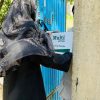
Left with Few Options: Afghan Women Turn to Risky Online Jobs Amid Taliban Ban
The Taliban's total ban on women’s employment in Afghanistan leaves few options for earning a living. Nevertheless, Afghan women are carving out niches in online business with sheer determination and perseverance.
Kanak Political Grievances Are Fed by Deep Inequality in New Caledonia
New Caledonia, a French overseas territory of about 290,000 people in the southwest Pacific, is facing a challenging recovery from weeks of civil unrest that erupted in mid-May, leaving an aftermath of destruction and political turmoil.
Belém Improving to Host 2025 Climate Summit in Brazil
Hotels and other amenities may be lacking for participants at the 30th Conference of the Parties on Climate Change (COP30), in this northern Brazilian city in late 2025, but the bottom line is they will have a unique experience in the Amazon.
Protests Over Bangladesh Quota System Escalate to Violence, Information Blackouts
Student protests over the Bangladesh government’s recruitment system have escalated into violent retaliation from the police from the authorities. Today (Friday, July 19), violent clashes continued to rock Dhaka, Bangladesh's capital, and the northern city of Rangpuras, where university students continued their protest over the government’s civil service recruitment system. AFP reports reports the death toll reached 105.
BRAZIL: ‘The Law Should Protect Women and Girls, Not Criminalise Them’
CIVICUS discusses abortion rights in Brazil with Guacira Oliveira, director of the Feminist Centre for Studies and Advice (CFEMEA). CFEMEA is an anti-racist feminist organisation that defends women’s rights, collective care and self-care and monitors developments in Brazil’s National Congress.
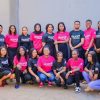
Decongesting Nigeria’s Prisons: All-Female Lawyers Take the Lead
Nyeche Uche, aged 60, got arrested by Nigeria's cybercrime fighter, the Economic and Financial Crimes Commission, for stealing. He spent 13 years and eight months in prison while awaiting trial. It took a church who went for prison outreach to refer his case to a legal firm for a pro-bono service over his case in March 2022.
HLPF 2024: Protecting Civic Space Critical for SDGs Success
Each year the international community comes together at the UN’s headquarters in New York to take stock of progress on sustainable development. This year’s High-Level Political Forum (HLPF) is being held between 8 and 18 July. Representatives from 36 countries, as per the UN HLPF website, will showcase their achievements on commitments outlined in the 2030 Agenda for Sustainable Development, presenting their Voluntary National Reviews (VNRs).
Justice, not Impunity, for Sexually Assaulted Indigenous Girls in Peru
The main fear facing women leaders who have denounced the systematic rape of girls from the Awajún indigenous people in the northeastern Peruvian department of Amazonas is that, despite the media coverage and sanctions announced by the authorities, it will all come to nothing.
Lebanon’s Deep Healthcare Crisis Exposed through Communicable Diseases
This summer is bringing an additional challenge to the public health front in Lebanon, along with higher-than-normal temperatures.« Previous Page — Next Page »





This page includes independent IPS news coverage supported by the Norwegian Ministry of Foreign Affairs, to put the issue of inequality higher up the news agenda during the run-up to the 2015 MDG deadline and the process to forge a new development consensus
