Languages
Tuesday, October 27, 2026



News and Views from the Global South
Poverty & SDGs

Forgotten Children
Children residing in Child Care Institutions (CCIs, commonly known as orphanages) in India have often found themselves to be the forgotten lot, when it comes to support and development initiatives by the government. This has also been the case during the current lockdown.
Modern Slavery in Asia Pacific Fuelled by Widespread Poverty, Migration & Weak Governance – Part 1
Aged 17, Moe Turaga was saddled with the responsibility of providing for his mother and young siblings when a family member approached him with the promise of a job and education in Australia. Dreaming of a bright future for himself and his family, he seized the opportunity and left the protective confines of his home in Fiji, only to find himself trapped in modern slavery on a remote agriculture farm in the state of Victoria.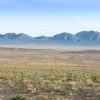
Curbing Land Degradation & Protecting the Environment in Mongolia
Mongolia is one of the most sparsely populated countries in the world. Yet, more than 70 percent of its surface is affected by land degradation. Mining activities in several parts of the country have been a source of humanitarian and environmental concern. However, different stakeholders are coming together to work towards restoration and rehabilitation.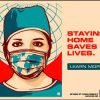
Stay Home? Wash Hands? But 1.8 Billion Remain Homeless & 3.0 Billion Have No Access to Water
The relentless battle against the devastating coronavirus pandemic has been underlined by several widespread advisories from health experts – STAY HOME. WASH YOUR HANDS. WEAR MASK. KEEP SOCIAL DISTANCE.
Without Universal Health Coverage We Are Sitting Ducks When the next Pandemic Strikes
We live in a different world to the one we inhabited six short months ago. With more than 4 million people infected and over 280,000 dead globally by mid May 2020, Covid-19 has ruthlessly exposed the vulnerability of a globalised world to pandemic disease. People are slowly coming to terms with the frightening and heartbreaking death toll, and we are still not out of the danger.
We Cannot Let the Education Gap Widen at the Start of the Decade of Action
Prior to the COVID-19 pandemic, we estimated that 75 million children and youth - of whom 39 million are girls - were not able to access a quality education in countries impacted by armed conflicts, forced displacement, natural disasters and climate change-induced emergencies. The impact of COVID-19 has both globally and exponentially deepened the already existing critical education crisis.
Malawi’s Vulnerable Shortchanged in Human Trafficking Prevention Efforts
Malawi is not doing enough to enforce its laws on human trafficking, resulting in a number of cases against perpetrators being dismissed by the courts, according to a local rights group. But local officials say that this Southern African nation — one of the poorest countries in the world — just doesn’t have the financial resources to do so.
Housing is Both a Prevention & Cure for COVID-19
Public health officials are calling the “stay home” policy the sacrifice of our generation. To flatten the curve of COVID-19 infections, this call of duty is now emblazoned on t-shirts, in street art and a celebrity hashtag.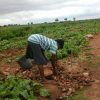
COVID-19: Zimbabwe’s Smallholder Farmers Step into the Food Supply Gap
Bulawayo, Zimbabwe' second city of some 700,000 people, has experienced a shortage of vegetables this year, with major producers citing a range of challenges from poor rains to the inability to access to bank loans to finance their operations. But this shortage has created a market gap that Zimbabwe smallholders — some 1.5 million people according to government figures — have an opportunity to fill.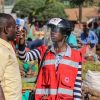
Finding Money for Public Health, Green Economic Recovery & SDGs
The coronavirus pandemic underscores the profound fragility and unsustainability of today’s world. It exposes the chronic underinvestment in human health and well-being and the consequences of a relentless exploitation of biodiversity and the natural environment.
Africa’s Health Dilemma: Protecting People from COVID-19 While Four Times as Many Could Die of Malaria
Experts across Africa are warning that as hospitals and health facilities focus on COVID-19, less attention is being given to the management of other deadly diseases like HIV/AIDS, tuberculosis and malaria, which affect millions more people.
Women Taking Charge during COVID-19
As the COVID-19 mayhem carries on in most countries, the role of mothers, daughters, and female caregivers have been affected the most. Besides looking after the household and home schooling children, they are also working on the front lines, actively or passively caring for their respective communities.
COVID-19: The Digital Divide Grows Wider Amid Global Lockdown
The digital divide has become more pronounced than ever amid the global coronavirus lockdown, but experts are concerned that in the current circumstances this divide, where over 46 percent of the world's population remain without technology or internet access, could grow wider -- particularly among women.
The Role of Civil Society in Times of Crisis
The ongoing COVID-19 pandemic has shown us something that most of us haven’t seen in our lifetimes: Large numbers of people unable to have two meals a day.
Black Americans are Bearing the Brunt of Coronavirus Recession – This Should Come as no Surprise
As the COVID-19 pandemic worsened in April, many Americans were shocked by the extent that black Americans were being disproportionately impacted: higher infection rates, more deaths and greater job loss. But many black Americans were not surprised.
Q&A: COVID-19 Means we Must Innovate Data Collection, Especially on Gender
The current coronavirus pandemic can offer insight into how to shake-up traditional methods of data collection, and might provide an opportunity to do it in more innovative ways, in turn enhancing progress towards gender equality.
Global Impact of New Corona Virus and Population Issues
The new coronavirus (COVID-19) continues to wreak havoc across the world, as the number of infections and deaths rapidly rise. It has the potential to infect anybody regardless of age or gender. There are grave concerns that the economic fallout from COVID-19 may be comparable to that of the Great Depression. According to Johns Hopkins Coronavirus Resource Center, there are 2,064,668 confirmed cases of COVID-19 and 137,124 deaths due to SARS-CoV-2 (the virus causing COVID-19). In Japan as of noon April 15, there were 8,100 cases of COVID-19 , 119 deaths, and 901 patients discharged from hospitals.
Has COVID-19 Reversed Progress for India’s Small Tea Growers?
As the sun sets over the hills, Prafulla Debbarma, a small tea grower in Dhanbilash village in north eastern India, walks along the labyrinth path of his farm and past a thick blanket of well-grown tea plants. In the fading light, the farmer appears deeply worried. This tea farm, the sole source of his livelihood, remains unharvested thanks to the ongoing COVID-19 crisis.
Protect Journalists’ Rights so We can Stop the COVID-19 Disinfodemic
Andrew Sam Raja Pandian, a digital journalist and founder of a news portal in the southern state of Tamil Nadu, was arrested for running two news articles related to COVID-19.
Africa’s Youth Scholars Harvest Ideas on the Business of Agriculture
In Rwanda, Benimana Uwera Gilberthe, a scholar and pepper producer, experienced first-hand the challenges of breaking into agribusiness. While in Nigeria, Ayoola Adewale is trying to understand if poultry egg farming will prove a profitable and viable business opportunity to the youth of the continent’s most populous nation. Also in Nigeria, Esther Alleluyanatha is understanding the link between young people leaving their villages for larger cities, the remittances they send home, and the implications on rural livelihoods and agriculture productivity.
Only Sustainable Investment & Global Cooperation Can Counter COVID’s Blow to SDGs
We are today in a time of crisis—a time when our shared choices will shape the way history tells our story and the paradigm shift it has so forcefully provoked.« Previous Page — Next Page »





 Romani people in Cairo, Egypt, forage through trash. Credit: UN Photo/Armineh Johannes
In 2015, the United Nations adopted the Sustainable Development Goals (SDGs) in an effort to promote “peace and prosperity for people and the planet.” To achieve that goal, it is essential to provide equal opportunities and access to basic services to all people. The 2025 UN SDG Report found that 35% of the 169 SDG targets are on track or making moderate progress, while 18% have reversed compared to the 2025 baseline. One in ten people still live in extreme poverty, one in eleven experience food insecurity, and over 1.1 billion people live in slums without access to clean water and sanitation. It is imperative to acknowledge the societal, technological, economic, and political issues that sustain poverty in countries around the world. Eradicating poverty will require significant frameworks in policy and governance on a national and international scale to ensure that all people will have equal access to basic services and economic opportunities by 2030. Furthermore, a dramatic reduction of United States foreign aid in 2025, including the termination of 83% of USAID programmes, threatens to erode years of fragile development gains.
Throughout the world, violent conflict and natural disasters also contribute to extreme poverty. The complete destruction of infrastructure and blockage of aid has significantly impoverished Palestine since October 7th. The destructive impact of Hurricane Maria in Puerto Rico left $91 billion in damage. An inadequate US government response also revealed significant and enduring questions within the issue of mitigating poverty: how do we rebuild infrastructure after its destruction? How do we restimulate economic development and bring in financial aid after disasters? Similar questions have been raised in the realm of regional cooperation, as devastating floods have wrecked hundreds of thousands of homes across multiple Southeast Asian nations in the past few years. Furthermore, the COVID-19 pandemic has greatly exacerbated the global poverty crisis, particularly in developing countries, setting back the United Nations goal of eradicating poverty by 2030.
IPS is committed to providing comprehensive features that focus on the persisting environmental, sociopolitical, and systemic issues that sustain poverty, and the steps taken worldwide towards poverty eradication.

The Week with IPS

NEXT STOP - SDGs
Tracking global progress towards a sustainable world
Tracking global progress towards a sustainable world

