Languages
Friday, November 13, 2026



News and Views from the Global South
Editors' Choice

“Yeil” – The New Energy Buzzword in Argentina
In Argentina they call it “yeil”, the hispanicised version of “shale”. But while these unconventional gas and oil reserves are seen by many as offering a means to development and a route towards energy self-sufficiency, others believe the term should fall into disuse because the global trend is towards clean, renewable sources of energy.
Zimbabwe’s Rich Fuel Inequality Through Illicit Financial Flows
Zimbabwe has lost 12 billion dollars in illicit financial flows over the last three decades and experts say this illegal practice is perpetuating social inequalities and poverty in this southern African nation.Put People Not ‘Empire of Capital’ at Heart of Development
President Rafael Correa Delgado of Ecuador does not mince words when it comes to development. ”Neoliberal policies based on so-called competitiveness, efficiency and the labour flexibility framework have helped the empire of capital to prosper at the cost of human labour,” he told a crowded auditorium at the 15th Raul Prebitsch Lecture.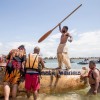
OPINION: The Front Line of Climate Change is Here and Now
The fate of my country rests in your hands: that was the message which Ian Fry, representing Tuvalu gave at the United Nations Climate Change Conference in Copenhagen five years ago. This is also the message that the Pacific Climate Warriors have come to Australia to bring.
OPINION: Renewable Energies – a Double-Edged Sword
The United Nations Framework Convention on Climate Change has set a target of reducing emissions of greenhouse gases such as CO2. One way countries can meet their obligations is to switch energy production from the burning of fossil fuels to “renewables”, generally understood to include wind, wave, tidal, hydro, solar and geothermal power and biomass.
Asia: So Close and Yet So Far From Polio Eradication
The goal is an ambitious one – to deliver a polio-free world by 2018. Towards this end, the multi-sector Global Polio Eradication Initiative (GPEI) is bringing out the big guns, sparing no expense to ensure that “every last child” is immunised against the crippling disease.
Kashmir Flood Carries Away Humble Dreams
Rafiqa Kazim and her husband Kazim Ali had a simple dream – to live a modest life, educate their four children and repay the bank-loan that the couple took out to sustain their small business.
Halting Progress: Ending Violence against Women
As Juan Evo Morales Ayma, popularly known as 'Evo', celebrates his victory for a third term as Bolivia’s president on a platform of “anti-imperialism” and radical socio-economic policies, he can also claim credit for ushering in far-reaching social reforms such as the Bolivian “Law against Political Harassment and Violence against Women” enacted in 2012.
Añelo, from Forgotten Town to Capital of Argentina’s Shale Fuel Boom
This small town in southern Argentina is nearly a century old, but the unconventional fossil fuel boom is forcing it to basically start over, from scratch. The wave of outsiders drawn by the shale fuel fever has pushed the town to its limits, while the plan to turn it into a “sustainable city of the future” is still only on paper.U.S. Contractors Convicted in 2007 Blackwater Baghdad Traffic Massacre
A federal jury here Wednesday convicted one former Blackwater contractor of murder and three of his colleagues of voluntary manslaughter in the deadly shootings of 14 unarmed civilians killed in Baghdad’s Nisour Square seven years ago.
U.S. Destroys Its Own Weapons in Enemy Hands
When the Islamic State of Iraq and the Levant (ISIL) captured a treasure trove of U.S. weapons from fleeing Iraqi soldiers last month, one of the rebel leaders with a morbid sense of humour was quoted as saying rather sarcastically: "We hope the Americans would honour their agreements and service our helicopters."
OPINION: Europe is Positioning Itself Outside the International Race
The new European Commission looks more like an experiment in balancing opposite forces than an institution that is run by some kind of governance. It will probably end up being paralysed by internal conflicts, which is the last thing it needs.
Israel Planning Mass Expulsion of Bedouins from West Bank
Thirty-year-old Naifa Youssef and 50 other members of her Bedouin community live a precarious life, eking out a hand-to-mouth existence alongside the main road which links Jerusalem with the Dead Sea and the ancient city of Jericho.
Family Farmers – Forward to the Future
"Who is more concerned than the rural family with regards to preservation of natural resources for future generations?"
Mexico’s Cocktail of Political and Narco-Violence and Poverty
The images filled the front pages of Mexico’s newspapers: 61 half-dressed state policemen kneeling, with their hands tied, in the main square of the town of Tepatepec in the central state of Hidalgo, while local residents threatened to burn them alive.
Writing the Final Chapter on AIDS
Although AIDS has defied science by killing millions of people throughout Africa in the last three decades, HIV experts now believe that they have found the magic numbers to end AIDS as a public health threat in 15 years.
Panama’s Coral Reefs Ringed with Threats
Fermín Gómez, a 53-year-old Panamanian fisherman, pushes off in his boat, the “Tres Hermanas,” every morning at 06:00 hours to fish in the waters off Taboga island. Five hours later he returns to shore.
Ethiopia Shows Developing World How to Make a Green Economy Prosper
Ethiopia has experienced its fair share of environmental damage and degradation but nowadays it is increasingly setting an example on how to combat climate change while also achieving economic growth.
Curbing Biodiversity Loss Needs Giant Leap Forward
When political leaders from climate-threatened Small Island Developing States (SIDS) addressed the U.N. General Assembly last month, there was one recurring theme: the urgent need to protect the high seas and preserve the world's marine biodiversity.
Family Farming – A Way of Life
It does not make the headlines, but 2014 is the International Year of Family Farming (IYFF) and family farming will be centre-stage at this year’s World Food Day on Oct. 16 at the Food and Agriculture Organisation of the United Nations (FAO).
Biodiversity, Climate Change Solutions Inextricably Linked
The remarkable biodiversity of the countries of the Caribbean, already under stress from human impacts like land use, pollution, invasive species, and over-harvesting of commercially valuable species, now faces an additional threat from climate change.« Previous Page — Next Page »


The Week with IPS

NEXT STOP - SDGs
Tracking global progress towards a sustainable world
Tracking global progress towards a sustainable world
