Languages
Saturday, November 14, 2026



News and Views from the Global South
Editors' Choice

Zambia Makes Progress in the Prevention of HIV Transmission From Mother to Child
 Chisha Mutale reports from Lusaka that substantial progress has been made against the transmission of HIV from mother to child by the the Zambian government and its cooperating partners.
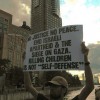
Thousands of New Yorkers Protest Gaza Killings
Thousands of New Yorkers took to the streets in multiple protests this past week against the Israeli offensive in Gaza, which has left at least 1,049 Palestinians dead and over 6,000 injured since Jul. 8.South Stymies North in Global Trade Talks
A group of developing countries brought a tectonic shift at the World Trade Organization on Friday by turning the tables against the industrialised countries, when they offered a positive trade agenda to expeditiously arrive at a permanent solution for food security and other development issues, before adopting the protocol of amendment of the contested Trade Facilitation Agreement.
Fish Before Fields to Improve Egypt’s Food Production
Less than four percent of Egypt’s land mass is suitable for agriculture, and most of it confined to the densely populated Nile River Valley and Delta. With the nation’s population of 85 million expected to double by 2050, government officials are grappling with ways of ensuring food security and raising nutritional standards.
Social Protection Needed to Reduce Africa’s Inequalities
For the last 13 years, Michael Ndah, 37, has worked for three road construction companies in Cameroon, but it is only in the last two years that his current employer has managed to register him with the National Social Insurance Fund (CNPS).
Human Development Report Finds South Asia’s Poor on a Knife’s Edge
Millions still live in poverty and even those who have gained the security of the middle-income bracket could relapse into poverty due to sudden changes to their economic fortunes in South Asia, the latest annual Human Development Report by the United Nations Development Programme (UNDP) revealed.
‘Zero Tolerance’ the Call for Child Marriage and Female Genital Mutilation
Heightening their campaign to eradicate violence against women and girls, United Nations agencies and civil groups have called for increased action to end child marriage and female genital mutilation.
For Nepal’s Dalits, Struggle Continues Amidst Slow Progress
 With over 41 percent of Nepal's three million Dalits living below the poverty line, and over 90 percent classified as 'landless', the country must reassess its progress on the Millennium Development Goals (MDGs) vis-a-vis its most vulnerable populations.

Touaregs Seek Secular and Democratic Multi-Ethnic State
The government of Mali and Touareg rebels representing Azawad, a territory in northern Mali which declared unilateral independence in 2012 after a Touareg rebellion drove out the Malian army, resumed peace talks in Algiers last week, intended to end decades of conflict.
Gaza Under Fire – a Humanitarian Disaster
As a result of over two weeks of Israeli bombardment, thousands of Palestinian civilians have fled their homes in the north of Gaza and sought refuge in schools run by the UNRWA, the U.N. agency for Palestinian refugees.
Stunting: The Cruel Curse of Malnutrition in Nepal
Durga Ghimire had her first child at the age of 18 and the second at 21. As a young mother, Durga didn’t really understand the importance of taking care of her own health during pregnancy.Food Insecurity a New Threat for Lebanon’s Syrian Refugees
A declining economy and a severe drought have raised concerns in Lebanon over food security as the country faces one of its worst refugee crises, resulting from the nearby Syria war, and it is these refugees and impoverished Lebanese border populations that are most vulnerable to this new threat.
Refugees Living a Nightmare in Northern Pakistan
Some fled on foot, others boarded trucks along with luggage, rations and cattle. Many were separated from families, or collapsed from exhaustion along the way. They don’t know where their next meal will come from, or how they will provide for their children.
Malnutrition Hits Syrians Hard as UN Authorises Cross-Border Access
Gaunt, haggard Syrian children begging and selling gum have become a fixture in streets of the Lebanese capital; having fled the ongoing conflict, they continue to be stalked by its effects.
Child Migrants – A “Torn Artery” in Central America
The migration crisis involving thousands of Central American children detained in the United States represents the loss of a generation of young people fleeing poverty, violence and insecurity in Honduras, Guatemala and El Salvador, the countries of the Northern Triangle of Central America where violence is rife.Do Not GM My Food!
Attempts to genetically modify food staples, such as crops and cattle, to increase their nutritional value and overall performance have prompted world-wide criticism by environmental, nutritionists and agriculture experts, who say that protecting and fomenting biodiversity is a far better solution to hunger and malnutrition.
As Winds of Change Blow, South America Builds Its House with BRICS
While this week's BRICS summit might have been off the radar of Western powers, the leaders of its five member countries launched a financial system to rival Bretton Woods institutions and held an unprecedented meeting with the governments of South America.BRICS Forges Ahead With Two New Power Drivers – India and China
The Sixth BRICS Summit which ended Wednesday in Fortaleza, Brazil, attracted more attention than any other such gathering in the alliance’s short history, and not just from its own members – Brazil, Russia, India, China and South Africa.
BRICS Build New Architecture for Financial Democracy
The BRICS alliance (Brazil, Russia, India, China and South Africa) launched the New Development Bank (NDB) and Contingency Reserve Arrangement (CRA) during its sixth summit, institutionalising a new financial architecture for the emerging powers.
Big Business Opportunities Seduce BRICS Entrepreneurs
The growing vitality of the group of countries made up of Brazil, Russia, India, China and South Africa (BRICS), which is beginning to formalise its institutions even as it tries to bridge very disparate realities, seems to be partly cemented by increasing links between its companies.
U.N.’s New Development Goals Must Also Be Measurable for Rich
The United Nations is on the verge of releasing a new set of Sustainable Development Goals (SDGs) - perhaps 17 or more - to replace the eight Millennium Development Goals (MDGs) which will run out by the end of 2015.« Previous Page — Next Page »


The Week with IPS

NEXT STOP - SDGs
Tracking global progress towards a sustainable world
Tracking global progress towards a sustainable world
