
Thursday, October 22, 2026



News and Views from the Global South
Combating Desertification and Drought

Burning Forests for Rain, and Other Climate Catastrophes
The villagers living on the foothills of Mount Kenya have a belief: If they burn the forest, the rains will come.
Land Degradation Jeopardizes Ability to Feed the World
We have known for over 25 years that poor land use and management are major drivers of climate change, but have never mustered the political will to act.
Desertification a Frontline Against Climate Change: IPCC
A new United Nations report has described farming, land degradation and desertification as critical frontlines in the battle to keep the global rise in temperatures below the benchmark figure of 2 degrees Celsius.
Extreme Floods, the Key to Climate Change Adaptation in Africa’s Drylands
Extreme rainfall and heavy flooding, often amplified by climate change, causes devastation among communities. But new research published on Aug. 7 in the scientific journal Nature reveals that these dangerous events are extremely significant in recharging groundwater aquifers in drylands across sub-Saharan Africa, making them important for climate change adaptation.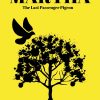
What a Little Pigeon Could Teach Our World
Over 100 years ago a little brown passenger pigeon named Martha died in the Cincinnati Zoo. She was the last of her breed. Just like that, in an instant, a bird species that had once numbered in the billions was wiped out forever.
Money Grows on Trees–Don’t Uproot Them
Jennifer Handondo, a small scale farmer of Choma district in southern Zambia, plants food crops such as maize mostly for her family’s needs. Because of uncharacteristically high temperatures and low rainfall during the rainy season in March, the divorced mother who single-handedly supports her three children, has not been able to harvest as much as she usually does. So she has diversified into selling seedlings of neem, Moringa and other medicinal trees.
Horn of Africa Drought Threatens Re-run of Famines Past
Humanitarian groups and the United Nations are warning of another drought in the Horn of Africa, threatening a repeat of the deadly dry spell and famine that claimed lives in Somalia and its neighbours eight years ago.
Avoiding the Mistakes of the Asian Green Revolution in Africa
Research scientists are studying groundwater resources in three African countries in order to understand the renewability of the source and how people can use it sustainably towards a green revolution in Africa.
Drought, Disease and War Hit Global Agriculture, Says U.N.
The United Nations has warned of drought, disease and war preventing farmers from producing enough food for millions of people across Africa and other regions, leading to the need for major aid operations.
Why Environmental and Humanitarian Action Must Be Linked
Environmental and humanitarian action is often understood as two different sectors. However, the lack of awareness regarding its intersections could lead to further long-term devastation.
Chilean Schools Recycle Greywater to Combat Drought
Children from the neighboring municipalities of Ovalle and Río Hurtado in northern Chile are harvesting rain and recycling greywater in their schools to irrigate fruit trees and vegetable gardens, in an initiative aimed at combating the shortage of water in this semi-arid region.
Food From Thought
As the weather continues to change and land becomes degraded, the socio-economic security implications are vast. In an effort to tackle these issues, climate-smart agriculture is quickly gaining traction around the world.
Could the Election of Qu Dongyu as FAO´s General-Director be a Turning-point for Sustainable Agricultural Development?
Agriculture is the bedrock of sedentary human civilization, without it we would have no governments or nations. It was food surplus generated by agriculture that enabled people to live in cities and form regimes able to organize food production in such a manner that some community members could engage in other activities than direct food production and thus give rise to the ideologies, techniques and goods which now constitute and govern our existence.
Looking to the Land in the Climate Change Race
The international community still has a long way to go to chart a new, sustainable course for humanity. But the upcoming climate change meetings provide a renewed opportunity to tackle climate change head on.
Sharing the Burden of Refugees; the World Can Do Better
As the world marks World Refugee Day on June 20th to celebrate the strength, courage and perseverance of refugees, a glaring concern remains just how inadequate the global response to the refugee crisis has been.
More Megacities, More Pressure on Forests
With two-thirds of the world’s population projected to be living in cities by 2050, increasing pressure continues to be placed on forests which are being cleared to make way for agricultural production.
Desertification ‘More Dangerous and More Insidious than Wars’
Businesses are being encouraged to follow the lead of the youth to halt desertification, reduce degradation, improve agricultural sustainability and restore damaged lands.
Celebrating 25 years and growing the future together
(UNCCD) - Monday, 17 June is World Day to Combat Desertification. It will be observed all over the world. Download the message from Mr. António Guterres, United Nations Secretary General, by clicking on this link: <https://www.youtube.com/watch?v=pIJf-5FUg4k&feature=youtu.be>
‘What it Takes to Feed 7.5 Billion People’
Events marking the 25th anniversary of the Convention to Combat Desertification (UNCCD) and the World Day to Combat Desertification opened here Monday, Jun. 17 with a call for urgent action to protect and restore degrading land.
There’s No Continent, No Country Not Impacted by Land Degradation
The coming decades will be crucial in shaping and implementing a transformative land agenda, according to a scientist at the United Nations Convention to Combat Desertification (UNCCD) framework for Land Degradation Neutrality (LDN).
South Africa’s First Carbon Farm
Land restoration could attract large private investments in the fight against climate change over the coming decades, if Governments and the United Nations put the right incentives and conditions in place.« Previous Page — Next Page »





Today, some two billion people depend on ecosystems in dryland areas, with 90 percent of them living in developing countries. But the pace of arable land degradation is accelerating – now estimated at 35 times the historical rate -- impacting biodiversity, availability of clean water and food security, as well as exposing vulnerable communities to the harsh impacts of climate change. As the only legally binding international agreement linking environment and development to sustainable land management, the United Nations Convention to Combat Desertification (UNCCD) works to improve the living conditions of people in the drylands. IPS looks at local solutions being implemented around the world, from restoring soil productivity and mitigating the effects of drought, to projects that empower communities to manage their dryland resources more effectively.

The Week with IPS

Tracking global progress towards a sustainable world
