Languages
Sunday, November 8, 2026



News and Views from the Global South
Biodiversity
CHILE: Alarm Over Decline in Mackerel Stocks
Over-exploitation of jack mackerel, the main commercial species of fish caught in Chile, has caused the decline of the Pacific ocean species and a crisis in the fishing industry. Scientists recommend halving the catch in 2011.
Congo Leaves Locals Out of Conservation Plans
"Today, I'm ashamed to have signed the documents creating this park, because I didn't know that we would die of hunger in the middle of the forest." Mpaka- Mbouiti is a leader in the village of Loussala, in the Conkouati-Douli National Park.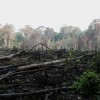
Safeguard Issues Shadow Forests Rescue Plan
As national policies are developed to implement REDD, the U.N. effort to reduce greenhouse gas emissions from deforestation and forest degradation, a key question has been how to ensure social and environmental standards are upheld in REDD projects, both at the national and international level.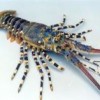
Free Trade Deals Bait Indian Fishermen
A series of bilateral free trade agreements (FTAs) is threatening the livelihoods of India's fishermen on the 8,000 km peninsular coastline - among the longest in the world - and the diets of millions of Indians for whom fish is a cheap source of protein.
Broad Coalition Rallies for BP Accountability
Gulf coast fishers, conservationists, seafood distributors and oil workers rallied here at Louisiana's capital over the weekend to demand that oil giant BP be held accountable for the "ongoing" use of toxic dispersants in the Gulf of Mexico.
An Awakening in Nagoya
The international community has finally awoken to the other great trans-boundary challenge of our time, with a new international agreement to halt the unravelling of the web of life that sustains humanity.Biodiversity Pact Begins With the Genes
The delegates to the 10th Conference of Parties (COP 10) to the Convention on Biological Diversity ended up with a relatively weak plan for the Herculean task of halting the disappearance of species. The exception was a pact on the use of genetic resources.Runaway Global Economy Decimating Nature
One-fifth of all birds, fish and animals are threatened with extinction - as many as six million unique and irreplaceable forms of life – an authoritative new assessment warned Wednesday.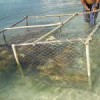
Heat Rises, Fishing Falls in the Venezuelan Caribbean
In the Southern Caribbean, along the Venezuelan coast, fishing is on the decline, surface waters are warming, rivers discharge tonnes of waste into the sea -- the waves seem to be licking the wounds left by these phenomena and devastating fishing practices like bottom trawling.Tackling Climate Change Could Save Biodiversity
A major change in the direction of economic development is essential to avoid the catastrophic unraveling of Earth's ecosystems that support all life, a new global analysis published in the journal Science revealed Tuesday.JAMAICA: Trading Ecology for a Highway
A construction project in Kingston's protected Palisadoes wetlands is pitting Jamaican environmentalists against the government in a showdown activists say will end up in the courts.
Despite Heavy Oil, Louisiana Keeps Fisheries Open
Massive slicks of weathered oil were clearly visible near Louisiana's fragile marshlands in both the East and West Bays of the Mississippi River Delta during an overflight that included an IPS reporter on Oct. 23. The problem is that, despite this, the Louisiana Department of Wildlife and Fisheries has left much of the area open for fishing.
CLIMATE CHANGE: Geoengineering for a Desperate Planet
Delegates to the world summit on biodiversity here are calling for a moratorium on climate engineering research, like the idea of putting huge mirrors in outer space to reflect some of the sun's heating rays away from the planet.
Palau Announces Massive Marine Sanctuary
One of Japan's closest allies declared over the weekend that all of its oceans - more than 600,000 square kilometres - would be a sanctuary for whales, dolphins, dugongs, sharks and other species.Hard to Put a Price-tag on Healthy Rivers
Damming a river may bring electric power, but it often comes at the price of high-quality food fisheries, experts say. When dams are proposed for power, flood control or irrigation, the often devastating impacts on fisheries in rivers and lakes are ignored or discounted.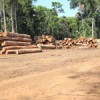
BRAZIL: Making a Living from Lumber Without Destroying the Amazon
The Zolinger family, a typical example of those who migrated from southern Brazil to the Amazon in search of land and fortune, now has a second chance in the lumber industry, after contributing to the devastation of the forests in Rondônia state, where they settled in 1979.Canada Seeks to Drop Native Peoples from New Biodiversity Pact
Blame Canada if countries fail to agree to a new binding treaty to curb the rapid loss of plant, animal and species that form the intricate web of life that sustains humanity. That is the view of indigenous representatives from Canada in response to a late night move by the Canadian delegation to strike a reference to indigenous peoples' rights at the U.N. Convention on Biological Diversity (CBD) members' conference here.
PAKISTAN: After the Bitterness of the Floods Comes ‘Sweet Water’
Pakistan’s recent catastrophic floods has had many alternately worried and depressed, but the indigenous community that calls the mudflats between the creeks of the Indus delta home has been having a decidedly far different reaction.
Malawi Herbalist Joins Fight Against Deforestation
Decades of shifting cultivation by rural farmers have threatened forests in the district of Karonga in northern Malawi. The loss of forest cover has also threatened the livelihood of Benjamin Kalowekamo, a herbalist who depends on local plants to mix his healing concoctions.
North-South Divide Again Clouds Biodiversity Talks
The accelerating destruction of natural habitats will take millions of years to recover from, scientists have warned. This may be the last chance to apply the brakes, Achim Steiner, executive director of the U.N. Environment Programme, reminded delegates representing the 193 member countries of the U.N. Convention on Biological Diversity (CBD).
Biodiversity at the Cliff’s Edge
What nature gives us is often taken for granted, but if its basic elements disappear, human life on Earth would not be possible. The mission of the biodiversity summit under way in Nagoya is to reverse the headlong rush towards the precipice.« Previous Page — Next Page »





The world's diverse flora and fauna are facing urgent threats due to pollution, climate change, commercialization of nature and other forms of harmful human intervention. The widespread loss of biodiversity is worrying not simply because of the disappearance of exotic species which deserve saving, but because tampering with nature's equilibrium means that the loss of one form of life is a threat to another. IPS taps into its own diverse network of correspondents around the world to report on continuing and emerging dangers to nature's riches - and the struggle to protect them.

The Week with IPS

NEXT STOP - SDGs
Tracking global progress towards a sustainable world
Tracking global progress towards a sustainable world
