Languages
Sunday, November 8, 2026



News and Views from the Global South
Biodiversity
In the End, U.S. Gets (Partial) Offshore Drilling Ban
As negotiators meet in Cancún to discuss how to mitigate the worst effects of climate change, the impacts of the oil spill disaster that unfolded earlier this year on the other side of the Gulf of Mexico are still rippling through Washington.
UGANDA: Carbon Finance May Not Benefit Forest Communities
Uganda has lost more than two million hectares of forest since 1990, mostly converted to farmland by a growing population of smallholders. Carbon finance through the REDD programme is often presented as one way to arrest this destruction, but only if the benefits clearly translate to the grassroots.
CLIMATE CHANGE: Will Year of Extremes End with a Whimper?
This year will likely be the warmest ever recorded, with soaring ocean temperatures resulting in a near record die-off of tropical corals, extreme heat and drought in Russia and massive flooding in Pakistan - all signs that climate change has taken hold.
Sharks Make It Through the Net, Bluefin Tuna Don’t
Governments have moved to ban the commercial fishing of at least two species of endangered sharks, but the Atlantic bluefin tuna received little protection at the end of a ten-day intergovernmental meeting here.GUATEMALA: Legal Battle Over Wetland Oil Drilling
The 15-year extension of an oil-drilling contract in Guatemala's Laguna del Tigre National Park, one of Central America's most important wetlands, has triggered a legal fight against the government's decision, a battle waged by activists, academics and even government agencies.
Genetic Flight of Chile’s Natural Jewels
Cactus, bushes, flowers and countless other plants are taken out of Chile daily to be studied, improved, marketed and patented. Due to the lack of regulations, the country can only stand by and watch them go.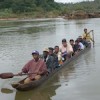
MADAGASCAR: New Livelihoods to Protect A River’s Life
The Nosivolo River has the greatest concentration of freshwater fish species in Madagascar. Strengthening protection of the river's biodiversity has involved transforming the livelihoods of local people.Forests Rescue Plan Riddled with Uncertainties
Deforestation rates have slowed in Brazil and elsewhere in expectation of a windfall of green gold from billions of dollars of carbon credits being mobilised for climate protection, some experts believe.BIODIVERSITY: Asia Acts To Pry Tigers From Jaws Of Extinction
It is the national animal of several Asian countries, lends its name to brands as varied as budget airlines to alcoholic beverages, and features prominently in Asian mythology, including the Chinese zodiac. But unless there is a dramatic turnaround for the tiger, conservationists say, this giant feline could become extinct before the next Chinese Year of the Tiger in 2022.
ETHIOPIA: First Carbon Finance Spreads Green Over Highland
It has been decades since the people of the Humbo Woreda have been self-sufficient in food. A Clean Development Mechanism project - Ethiopia's first - is restoring the environment and sustaining livelihoods along with it.
ENVIRONMENT-TANZANIA : Protecting the World’s Most Expensive Tree
With the snow-capped peak of Mount Kilimanjaro providing a backdrop under simmering tropical sunshine, a group of women in Mijongweni village break into song.
Tough Action Urged to Protect Bluefin Tuna
With the Atlantic bluefin tuna being fished to extinction, environment groups have increased their pressure on governments to take action to protect the species.U.S. Regulators Omit Wider Implications of GM Salmon
U.S. regulators are poised to decide as early as next week whether to approve a genetically modified salmon for human consumption.
ETHIOPIA: They Have Become Farmers of Trees
They have spent the better part of their lives destroying the forest, but Kochito Gabre and his cohort are now the guardians of a UNESCO-recognised resource in the Ethiopian highlands. After shrinking to barely half its original size, the Kafa Forest is now a model for sustainable use in the country.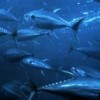
Seasonal Bans Not Enough to Save Pacific Tuna
The countries that fish for tuna in the Eastern Pacific Ocean see seasonal bans as a form of responsible fishing, but environmentalists argue that they are not enough to ensure the survival of a resource that is threatened around the world.
Pulling Together To Protect Zambia’s Kafue Flats
Dams, sugarcane plantations and rapidly growing population threatened the health of the Kafue Flats, a richly diverse wetlands in southern Zambia. But growing recognition of more sustainable use of its water and fertile soil are securing the health of the ecosystem.
Illness Plagues Gulf Residents in BP’s Aftermath
Increasing numbers of U.S. Gulf Coast residents attribute ongoing sicknesses to BP's oil disaster and use of toxic dispersants.KYRGYZSTAN: Fast Melting Glaciers Threaten Biodiversity
Kyrgyzstan's glaciers are receding at what scientists say is an alarming rate, fuelled by global warming. And while experts warn of a subsequent catastrophe for energy and water security for Kyrgyzstan and neighbour states downstream reliant on its water flows, devastation to local ecosystems and the effects on plant and wildlife could be just as severe.
ARGENTINA: More Protection, but Not Enough, for Patagonian Sea
The BP oil spill earlier this year in the Gulf of Mexico seems to have motivated Argentina to double the protected area in the Patagonian Sea, which is rich in petroleum -- and in biodiversity.ENVIRONMENT-ECUADOR: Plenty of Promises but Little Cash for Leaving Oil Untapped
The Spanish government is "analysing mechanisms to contribute" one million euros (1.3 million dollars) to the Yasuni-ITT initiative, one of the few definite contributions received by Ecuador for a scheme to leave oil reserves untouched in a highly biodiverse area of the Amazon jungle.Cataloguing Biodiversity Presents a Challenge
An international agreement reached in the Japanese city of Nagoya constitutes a great step forward towards protecting biodiversity from decimation, but also represents an enormous legislative and administrative task, environment experts say.« Previous Page — Next Page »





The world's diverse flora and fauna are facing urgent threats due to pollution, climate change, commercialization of nature and other forms of harmful human intervention. The widespread loss of biodiversity is worrying not simply because of the disappearance of exotic species which deserve saving, but because tampering with nature's equilibrium means that the loss of one form of life is a threat to another. IPS taps into its own diverse network of correspondents around the world to report on continuing and emerging dangers to nature's riches - and the struggle to protect them.

The Week with IPS

NEXT STOP - SDGs
Tracking global progress towards a sustainable world
Tracking global progress towards a sustainable world
