Languages
Tuesday, October 20, 2026



News and Views from the Global South
Climate Change Justice

‘Just Transition Must Make Climate Work for People Living its Consequences’
An open letter by more than 1,000 organizations from 106 countries, including trade unions, Indigenous leaders, feminist and youth movements, Afro-descendants, peasant groups, environmental advocates, disability networks and community organizations, to all States Parties to the United Nations Framework Convention on Climate Change is calling for a people-centered Just Transition.
We’re All in the Same Storm, Different Boats, Says Young Activist With Disability
At the UN Climate Conference venue in Belém, young activist João Victor da Costa da Silva is trying to make his case heard by negotiators. The 16-year-old Da Silva has a specific request for the parties: the needs of young people with disabilities should be addressed through the lens of climate justice.
Brazil is Breathing Life into Climate Commitments—Human Rights Lawyer
Binaifer Nowrojee, a human rights lawyer and the president of the Open Society Foundations (OSF), has lauded the Brazilian government “for significant steps taken to breathe life into the climate commitments.”
Poor Countries Welcome Loss and Damage Fund’s Call for Requests, Warn It Falls Short of Needs
Least Developed Countries have hailed the debut call for proposals for the Loss and Damage Fund, which was launched on 11 November at the United Nations climate summit known as COP30 in Belem, Brazil.
Without Truth, There Can Be No Climate Justice—Experts
Concerned scientists at the UN climate conference in Belém are appealing for collective action to combat climate change-related misinformation and disinformation.
Hollow Promises or Hope?
COP30 Brazil – Moment of Truth for the Planet
COP30 Brazil, though shadowed by the absence of many world leaders, remains a pivotal milestone in the global fight against climate change, tasked with building on the Paris Agreement’s momentum. Yet the glaring lack of commitment, coupled with withdrawals from the accord, casts a grim shadow over the future. The planet continues to warm, and scientists warn that current targets may not prevent a catastrophic temperature spike. While the summit’s focus on implementation not just new promises—is a welcome shift, it’s clear: words alone won’t cool the Earth.

‘We Want a Place at the Negotiation Table’ — Indigenous Leader
Indigenous leaders from across the Amazon region are calling on climate negotiators to base climate initiatives on the recognition of the land rights of affected Indigenous communities. From the COP30 venue in Belém, these leaders are demanding full participation in the design and implementation of proposed projects.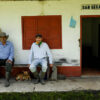
The Silent War Before COP30: How Corporations Are Weaponising the Law to Muzzle Climate Defenders
As the world prepares for the next COP30 summit, a quieter battle is raging in courtrooms. Strategic Lawsuits Against Public Participation (SLAPPs) are the fossil-fuel industry’s new favourite weapon, turning justice systems into instruments of intimidation.
Turning Indigenous Territories From ‘Sacrifice’ Zones to Thriving Forest Ecosystems
A report by the Global Alliance of Territorial Communities (GATC) and Earth Insight paints a stark picture of how extractive industries, deforestation, and climate change are converging to endanger the world’s last intact tropical forests and the Indigenous Peoples who protect them.
What’s Now Needed is Political Courage, Says UN SG Guterres at COP30
Political courage is the biggest obstacle to limiting the rise in global average temperature to no more than 1.5°C, said UN Secretary-General António Guterres.
Global Emissions Falling Too Slowly, Expert Urges Renewables Push, Fair Finance
A decade has passed since the adoption of the Paris Agreement, and a United Nations synthesis report released ahead of COP30 in Belém shows that "Parties are bending their combined emission curve further downwards, but still not quickly enough."
COP30 Belém: Turning Promises into Action
 From the 10th to the 21st of November 2025, the 30th session of the Conference of the Parties (COP30) will be hosted in Belém, Brazil.
Lawmakers Urged to Consider Emerging Drivers of Child Marriage
Closing the chapter on child marriages is still a distant ambition in the Southern African Development Community (SADC) region, and despite great strides at developing and passing legislation to eradicate it, existing and emerging drivers are still at play, making youngsters vulnerable to the practice.
As Civil Society Is Silenced, Corruption and Inequality Rise
From the streets of Bangkok to power corridors in Washington, the civil society space for dissent is fast shrinking. Authoritarian regimes are silencing opposition but indirectly fueling corruption and widening inequality, according to a leading global civil society alliance.
Will COP30 Reenergize Nigeria’s Great Green Wall Project?
In 2017, 45-year-old Jabiru Muhammed could hardly contain his excitement when the village head of Batu in Jigawa State, northwestern Nigeria, announced that their community would work with officials from the National Agency for the Great Green Wall (NAGGW) to plant trees across a large stretch of land in the village.
Adaptation Finance Shortfalls Leave Developing World Exposed
Hurricane Melissa made landfall in Jamaica yesterday—the strongest hurricane to impact the island on record since 1851—with expectations of tens of thousands of people being displaced and devastating damage to infrastructure. The tropical storm, slightly downgraded but nevertheless devastating, made landfall in Cuba today as UNEP’s newly released Adaptation Gap Report 2025: Running on Empty shows that the finance needed for developing countries to adapt to the climate crisis is falling far behind their needs.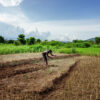
Indigenous Communities Are the Frontlines of Climate Action—It’s Time COP Listened
I had hoped to attend this year’s Conference of the Parties (COP) in person, to stand alongside fellow Indigenous leaders and advocate for the rights of our communities.
International Day for Climate Action, 2025
We are in a climate emergency. The Earth is already over 1.3 °C warmer than pre-industrial times. 2024 was the hottest year ever recorded.

Global South Can Rebalance Climate Agenda in Belém, Says Gambian Negotiator
The Gambia's lead negotiator on mitigation believes that COP30 presents a unique opportunity to rebalance global climate leadership.
UNGA80: Climate and Health in the Mix of Hope and Despair
The Intergovernmental Panel on Climate Change (IPCC), the UN's body on climate science, has over the years, repeatedly and steadily reported on the science of global warming leading to the changing climate with visible impacts.
Wealthy Nations Urged to Curb Climate Finance Debt For Developing Countries
In recent years, international climate financing has declined sharply, leaving billions of people in developing nations increasingly vulnerable to natural disasters and unable to adapt effectively. With major cuts in foreign aid, these communities are expected to face the brunt of the climate crisis, while wealthier nations continue to reap economic benefits.« Previous Page — Next Page »





The Week with IPS

NEXT STOP - SDGs
Tracking global progress towards a sustainable world
Tracking global progress towards a sustainable world
